
Diagnostic Intruments
Dental Diagnostic Instruments for Professional Examinations
The Diagnostic Instruments category includes the essential tools used at every dental visit, from initial screenings to complex treatment planning. Here you can find a wide range of dental diagnostic instruments and dental diagnostic tools configured for daily use in dental offices across the USA. Orthazone helps clinicians and purchasing teams standardize clinical dental diagnostic instruments for consistent, efficient examinations at every chair.
The role of diagnostic instruments in dental practice
Accurate diagnosis starts with reliable diagnostic instruments. High-quality dental diagnostic instruments support early detection of caries, cracks, periodontal disease, restorative failures, and soft-tissue changes. They are used at virtually every appointment - from routine checkups to pre-prosthetic evaluations and treatment follow-ups.
Because clinical dental diagnostic instruments are used so frequently, they directly influence the quality of treatment planning. The findings gathered with these tools guide decisions about restorative care, periodontal therapy, endodontics, and prosthodontics, including the use of materials and instruments from categories such as Cosmetic & Restorative Dentistry, Dental Burs, and Dental Syringes.
Main groups of dental diagnostic instruments
Basic instruments for visual and tactile examination
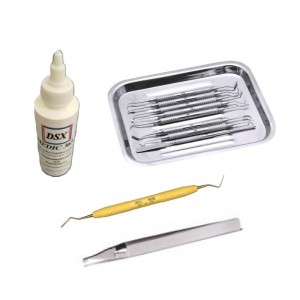
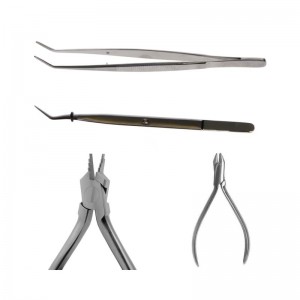
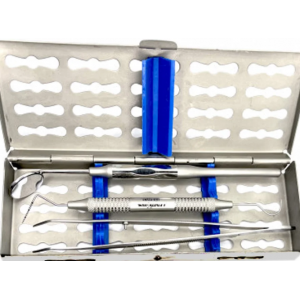
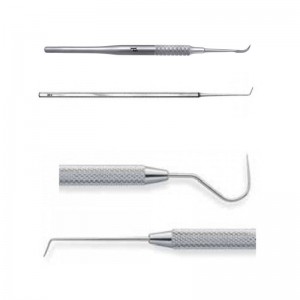
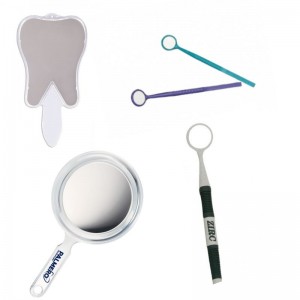
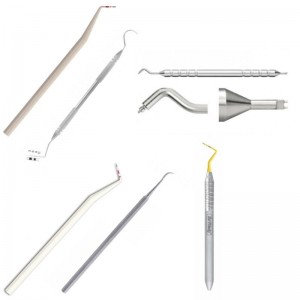
A typical dental diagnostic instruments set includes a mouth mirror, explorer or probe, and a cotton pliers or tweezers, often complemented by a periodontal probe. These core dental examination instruments form the foundation of every dental operatory and are used at nearly every visit.
Such sets represent classic dental diagnostic and examination instruments that enable illumination, retraction, indirect vision, and tactile assessment. While individual components may vary, a reliable mirror, sharp explorer, and precise tweezers are the minimum standard for any diagnostic tray.
Expanded diagnostic kits and tools
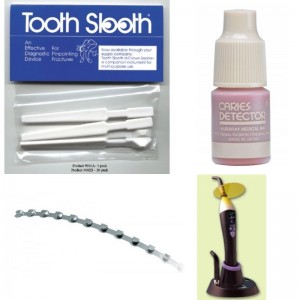
Beyond the basic setup, many practices prefer a more complete dental diagnostic kit tailored to their clinical profile. These dental diagnostic tools may include additional explorers with varying tips, calibrated periodontal probes, mobility gauges, and other specialized items. Together, they form professional dental diagnostic instruments that support more detailed assessments.
Smaller practices may rely on a single, versatile dental diagnostic instruments set, while multi-specialty offices and teaching centers often stock multiple kits configured for restorative, periodontal, or surgical exams. In each case, the goal is a logical, repeatable setup that matches how clinicians work.
Diagnostic instruments for hygiene and periodontal assessment
Diagnostic instruments for dental hygiene focus on periodontal screening and monitoring. They typically include calibrated periodontal probes, mirrors, and explorers specifically chosen for assessing pocket depth, bleeding on probing, calculus, recession, and plaque distribution.
These dental diagnostic and examination instruments help hygienists and dentists determine the need for scaling and root planing, supportive periodontal therapy, or referral for more advanced periodontal care. Accurate measurements and reproducible readings are essential for charting progression or stability over time.
Users and applications: dentists, hygienists, and clinics
Diagnostic instruments for dentists
Diagnostic instruments for dentists generally include mirrors, explorers, tweezers, and periodontal probes as a baseline, with additional tools chosen according to specialty. Restorative and prosthodontic dentists may favor explorers designed for evaluating margins and contacts, while endodontists may rely more heavily on micro-explorers and specialized probes.
Despite these differences, the same core dental diagnostic instruments are used to evaluate caries, assess restorations, examine soft tissues, and screen periodontal status. High-quality instruments improve tactile feedback, visibility, and confidence in clinical findings.
Diagnostic instruments for dental clinics and group practices
In group practices and multi-operatory clinics, standardized diagnostic instruments for dental clinics help maintain consistent quality across providers and rooms. Each chair is typically equipped with the same diagnostic tray, so any dentist can sit down and work without having to adapt to a different setup.
By defining standard diagnostic instruments for dental practices - for example, one tray for general exams and another for periodontal evaluations - clinics simplify staff training, reduce setup mistakes, and keep infection control protocols uniform.
Diagnostic instruments for dental hygiene and prevention
Diagnostic instruments for dental hygiene support preventive and supportive periodontal care. Hygienists rely on mirrors, explorers, and a variety of periodontal probes to collect baseline and follow-up data. These measurements drive decisions about recall intervals, scaling and root planing, and the need for adjunctive therapies.
When dental office diagnostic instruments for hygiene are standardized, clinicians can compare periodontal charts over time with greater confidence, making it easier to communicate disease progression or stability to patients.
How to choose dental diagnostic instruments
Steel quality, ergonomics, and tactile comfort
When selecting professional dental diagnostic instruments, clinicians should look for corrosion-resistant steel, durable welds, and clear markings on probes. Good ergonomics are equally important: handle diameter, weight, and surface texture influence both comfort and the ability to feel subtle changes in tooth structure or soft tissues.
Well-designed dental diagnostic tools reduce hand fatigue, enhance tactile sensitivity, and maintain sharpness and clarity through repeated sterilization cycles. Investing in quality at this level pays off by improving clinical accuracy and long-term durability.
Instrument sets versus individual selection
Buying a complete dental diagnostic instruments set is a straightforward way to equip a new operatory or practice. Preconfigured sets offer a consistent look and feel, and ensure that the most common dental examination instruments are always available. This is particularly useful for new graduates, startup practices, or satellite offices.
However, many experienced clinicians prefer to fine-tune their setups by adding or substituting individual instruments. In this approach, a basic dental diagnostic kit is supplemented with extra explorers, specialized probes, or additional tweezers to match the provider’s style and case mix.
Sterilization, durability, and economics
Dental office diagnostic instruments must endure repeated sterilization without corrosion, bending, or loss of markings. Over time, even high-quality instruments will show signs of wear, making regular inspection and scheduled replacement essential for maintaining diagnostic accuracy.
Ordering dental diagnostic instruments online through Orthazone allows clinics to track inventory, standardize the number of sets per operatory, and plan replacements proactively. Having a consistent supply source helps ensure that diagnostic trays remain complete and ready for use throughout the day.
Diagnostic Instruments at Orthazone
Assortment and catalog navigation
The Diagnostic Instruments section at Orthazone offers a focused selection of tools for daily clinical use. You can find:
- core dental diagnostic instruments set options for routine examinations,
- expanded dental diagnostic kit configurations tailored to different specialties,
- individual clinical dental diagnostic instruments for replacing worn tools or customizing trays.
Catalog filters make it easy to sort by intended use (general exams, hygiene, periodontal assessment), instrument type, and brand. This helps clinicians and purchasing managers quickly locate the diagnostic instruments for dental clinics that best match their protocols.
Building standardized diagnostic trays
Using Orthazone, practices can define and replicate standard diagnostic trays across multiple rooms. A general exam tray might contain mirrors, explorers, tweezers, and a periodontal probe, while a hygiene-focused tray emphasizes calibrated probes and additional measuring tools. These configurations streamline day-to-day operations and ensure that all dental office diagnostic instruments are consistently available.
Standardization also makes it easier to coordinate diagnostic findings with subsequent treatment using products from related categories such as Cements & Liners, Cosmetic & Restorative Dentistry, and Dental Burs.
Online ordering and shipping across the USA
With Orthazone, clinics and group practices can buy dental diagnostic instruments online and have them shipped quickly anywhere in the United States. Purchasing teams can save standard tray configurations, reorder preferred sets, and maintain the same level of professional dental diagnostic instruments across all locations.
Whether you are equipping a single operatory or updating diagnostic kits for an entire network of offices, Orthazone provides a convenient, centralized way to manage your diagnostic instrument inventory.
Practical use cases for Diagnostic Instruments
Initial exams and treatment planning
During an initial visit, the dentist uses a basic dental diagnostic kit - mirror, explorer, probe, and tweezers - to evaluate caries, inspect existing restorations, assess occlusion, and examine soft tissues. Reliable dental diagnostic instruments make it easier to detect early signs of disease and plan appropriate restorative, periodontal, or surgical interventions.
Hygiene visits and periodontal screening
At preventive and maintenance appointments, diagnostic instruments for dental hygiene are used to screen for periodontal disease and monitor tissue health. Calibrated probes and mirrors help document pocket depths, recession, bleeding, and plaque levels. This information guides scheduling of supportive periodontal therapy and informs patient education.
Follow-up examinations and outcome monitoring
Following restorative, endodontic, or prosthodontic treatment, clinicians rely on dental examination instruments to verify margins, check contact points, assess tissue response, and monitor healing. Using the same type of clinical dental diagnostic instruments over time supports accurate comparison between visits and helps ensure that treatment outcomes remain stable.
FAQ
What is typically included in a dental diagnostic instruments set?
A standard dental diagnostic instruments set generally includes a mouth mirror, explorer or probe, and tweezers, with many sets also featuring a periodontal probe. Some kits add specialty explorers or additional instruments, depending on the manufacturer and intended use.
How do basic dental diagnostic tools differ from professional dental diagnostic instruments?
Basic tools may be adequate for short-term or limited use, but professional dental diagnostic instruments are designed for long-term clinical performance. They typically offer higher-grade steel, better corrosion resistance, more ergonomic handles, sharper tips, and clearer markings on probes, all of which improve accuracy and durability.
Do I need a separate set of diagnostic instruments for dental hygiene?
In many practices, it is beneficial to maintain dedicated diagnostic instruments for dental hygiene. Hygiene-focused sets emphasize periodontal probing, plaque and calculus assessment, and monitoring of soft-tissue changes, which differ from the primary focus of diagnostic trays used by restorative or surgical providers.
Can I standardize diagnostic kits for multiple clinics and order them online?
Yes. Using Orthazone, you can design standard diagnostic trays, then buy dental diagnostic instruments online to replicate those setups across multiple operatories or locations. This approach simplifies training, improves consistency in examinations, and streamlines purchasing for group practices and DSOs.