
Implant Cements
Implant Cements for Temporary and Permanent Implant Crowns
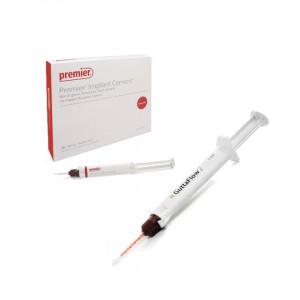
The Implant Cements category brings together specialized cements for luting prosthetic restorations on implants. Here you can choose both versatile implant cements and more focused dental implant cements for different clinical tasks: temporary crowns, long-term restorations, single implant crowns, and implant bridges. By ordering implant crown cement and other cement for implant crowns on Orthazone, you save time and money: you buy everything in one place, receive a single shipment, and avoid splitting orders across multiple suppliers. We work with dentists across the entire United States, provide fast shipping and reliable service – thousands of doctors trust us as a dependable source of implant cement for dentists.
The role of implant cements in implantology
In implantology, cement plays a role that is no less important than implant type or superstructure design. Properly selected implant cements help provide secure retention while preserving the possibility of controlled removal of a crown or prosthesis when needed. Clinicians need dental implant cements that combine adequate retentive strength, ease of excess removal, and predictable long-term behavior.
Often, the luting stage begins at the preparation phase: precise shaping of the abutment or crown surface is performed using burs from the Burs category, and only then do you select the appropriate implant crown cement or other cement for implant crowns. A well-chosen implant cement for dentists reduces the risk of cement-related complications such as loss of retention, debonding, or excess cement in the peri-implant area. That’s why cement selection is not a secondary step but an integral part of the treatment protocol, especially when working with single-unit implant prosthesis cement cases and implant bridges.
Main types of cements for implant crowns
Temporary implant cement for provisional crowns and prostheses
Temporary implant cement is used when a restoration is expected to be removed or adjusted later: diagnostic crowns, provisional bridges, and stages for checking esthetics and occlusion. These materials provide sufficient retention but still allow the crown to be removed without damaging the implant or abutment.
In many cases, clinicians choose a “softer” implant crown cement for provisional restorations to maintain control over try-in and adaptation stages. At the same time, cement for implant crowns used during the temporary phase must be strong enough to hold the crown between visits, yet not so strong that it turns temporary fixation into a permanent one.
Permanent implant cement for long-term fixation
Permanent implant cement is used for definitive luting of implant crowns and bridges once prosthetic treatment is finished and the restoration has been fully approved by the patient. At this stage, longevity, strength, and stability of fixation come first.
Some materials in this group are positioned as dental implant crown cement or implant crown luting cement – cements designed specifically for luting prosthetic restorations to abutments. When working with bridges and combined restorations, many clinicians choose a higher-retention implant prosthesis cement to minimize the risk of debonding under functional load.
How to choose cement for implant crowns for your protocol
When selecting cement for implant crowns, it is important to consider several factors:
- type of restoration (single crown, bridge, prosthesis on multiple implants);
- whether future removal of the restoration is anticipated;
- clinical situation: margin depth, soft-tissue status, and access for visual control and cement cleanup;
- clinician preferences for retentive strength and working time.
If flexibility and the possibility of future revision are priorities, a Temporary implant cement or a low-retention implant crown cement may be the logical choice. If the goal is long-term fixation without planned recementation, it is more appropriate to use a Permanent implant cement or specialized dental implant cements with higher retentive strength.
Implant cement for dentists in daily practice
In real-world practice, implant cement for dentists is rarely limited to a single product. Most clinics build a “working set”: one Temporary implant cement for diagnostic and provisional phases, plus one or two types of Permanent implant cement for different prosthetic designs.
Implantology almost never exists in isolation from other aspects of dentistry. Within the same order, a clinician can restock dental implant cements, choose instruments for canal preparation from the Endodontic Instruments section, and add materials for removable prosthesis fabrication and repair from Denture Materials. This approach saves time, consolidates orders into a single shipment, and helps keep all key materials under control.
It is important that your dental implant cements work well with the abutments you use, the restorative materials (metal, ceramic, zirconia), and your overall clinic protocol. Knowing exactly which implant crown cement to use at each stage – from provisional solutions to the final implant prosthesis cement – helps reduce complications and makes implant treatment more predictable and manageable.
FAQ about implant cements
How do implant cements differ from conventional cements for tooth-borne crowns?
Specialized implant cements are designed with implant restorations in mind: they account for the need for controlled retention, possible later removal, and minimizing excess cement around implants. Conventional crown cements are primarily optimized for bonding to natural tooth structure, whereas dental implant cements are engineered for use with abutments and implant-supported prostheses.
When should I use a Temporary implant cement, and when can I go straight to a Permanent implant cement?
Temporary implant cement is indicated during provisional stages: when you need to test esthetics, occlusion, and patient comfort, or maintain the option of adjusting the restoration. Permanent implant cement is used when all parameters have been finalized and you are ready for definitive fixation. The choice between temporary and permanent cement for implant crowns depends on the treatment stage and your clinical objectives.
What is implant crown luting cement, and what makes it different?
Implant crown luting cement is a type of dental implant crown cement specifically designed for luting crowns onto abutments. These materials are optimized for film thickness, retentive strength, and ease of excess removal. They help you achieve predictable results when working with single crowns and smaller prostheses.
Do I need a separate implant prosthesis cement for large bridges and full-arch prostheses?
In many cases, yes – a dedicated implant prosthesis cement is justified for large, high-load restorations. Such materials are formulated for stronger retention and long-term stability. At the same time, you should consider the possibility of future revision: if removal may be required, it’s better to choose solutions from the broader implant cements group that balance retentive strength with controlled decementation.