
Denture Materials
Professional Denture Materials for Removable Prosthetics
The Denture Materials category brings together the core materials used for fabricating, repairing, and adjusting removable prostheses. Here you will find a full range of denture materials and dental denture materials for clinical and laboratory use, including base resins, repair systems, reline products, and finishing materials. Orthazone helps dentists, dental clinics, and dental labs in the USA select professional denture materials that support predictable, comfortable, and esthetic removable prosthodontics.
The role of denture materials in prosthodontics
High-quality denture materials are critical for the function, esthetics, and longevity of removable prostheses. The choice of resin, reline system, and finishing products affects how well the denture fits, how long it maintains color and surface gloss, and how comfortable it feels on soft tissues. Using professional denture materials with proven physical properties helps reduce fractures, minimize adjustments, and improve long-term patient satisfaction.
Removable denture materials also integrate with other parts of the restorative workflow such as restorative and esthetic products from the Cosmetic & Restorative Dentistry section, cements and liners from Cements & Liners, and finishing tools from Dental Burs and Finishing & Polishing. In comprehensive rehabilitation, dental denture materials are one part of a coordinated treatment plan rather than an isolated product group.
Main types of denture materials
Denture base materials
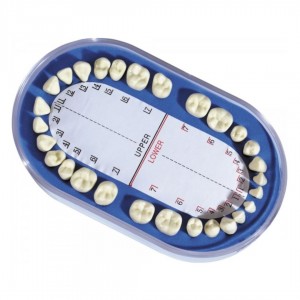
Denture base materials form the foundation of removable prostheses, providing support for denture teeth and transmitting forces to the underlying tissues. Most traditional bases rely on acrylic denture materials, with formulations designed for strength, dimensional stability, and biocompatibility. These denture acrylic materials may be heat-cured, cold-cured, or processed using injection systems, depending on laboratory equipment and protocol.
When choosing denture base materials, clinicians and labs look for predictable polymerization, low residual monomer, good bond to denture teeth, and comfortable adaptation to mucosa. In many cases, the same family of acrylic denture materials is used for both new denture fabrication and later repairs or additions, which helps maintain compatibility over the life of the prosthesis.
Materials for repair and relining
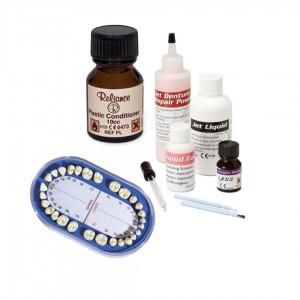
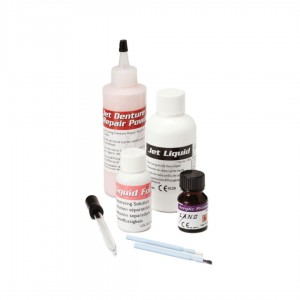
Over time, wear, fractures, and changes in supporting tissues make repair and relining inevitable. Chairside and laboratory repair systems, often grouped under denture repair and denture reline materials, are essential components of a complete denture materials lineup. These products are used to restore fractured bases, repair broken flanges, or replace lost teeth on existing dentures.
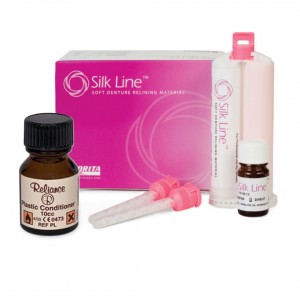
Soft denture reline materials are indicated when patients have thin or sensitive mucosa, knife-edge ridges, or other anatomical challenges. They provide cushioning and can significantly improve comfort, especially in immediate dentures or in patients who are not candidates for implant stabilization. Hard reline denture materials for dentists and labs are used when a more durable, long-term adaptation to the ridge is required.
Finishing, polishing, and characterization materials
After processing and adjustments, dentures require finishing and polishing to achieve a smooth, glossy surface that resists plaque and stain accumulation. This stage may rely on dedicated denture finishing and polishing products along with rotary instruments from the Dental Burs and Finishing & Polishing categories. These products are part of the broader family of dental denture materials, focused on the final surface quality of the prosthesis.
Advanced setups may also include characterization materials stains, fibers, and modifiers that allow labs to individualize bases and mimic natural gingival tones. These more specialized professional denture materials help enhance esthetics and differentiate high-end prosthetics from basic, monochromatic dentures.
Clinical vs laboratory applications
Denture materials for dentists
Denture materials for dentists are typically optimized for chairside use: fast-setting repair resins, in-office reline materials, and small kits for localized adjustments. They let clinicians manage cracks, small fractures, and fit issues directly in the operatory rather than sending every case back to the lab.
Having the right removable denture materials available chairside allows dentists to perform immediate relines, repair fractured bases or teeth, and stabilize temporary or transitional prostheses during complex treatment plans. This helps reduce the number of visits and supports better patient experience.
Denture materials for dental clinics and dental labs
Denture materials for dental clinics often focus on chairside solutions and short clinical workflows, while denture lab materials are designed for full fabrication and comprehensive reconstruction. Laboratory-oriented products include bulk quantities of heat-cure denture acrylic materials, injection systems, setup and flasking materials, and specialized finishing and polishing products.
In the lab, denture lab materials are used through multiple stages wax setup, processing, polymerization, deflasking, and finishing. Consistent use of a compatible system of denture base materials, repair resins, and relining products helps laboratories deliver predictable fit, shade, and surface quality across many cases and clients.
How to choose denture materials for your workflow
Patient profile and type of prostheses
The selection of denture materials depends heavily on patient needs and the types of dentures your clinic or lab provides. Practices that mainly deliver conventional full and partial dentures may rely on a core set of acrylic denture materials and a few repair and reline systems. Clinics that handle many immediate dentures, overdentures, or complex cases may need a broader range of professional denture materials, including soft liners and more advanced repair kits.
Labs servicing implant-retained or combination cases also need robust denture base materials that can integrate with attachments and frameworks without compromising strength. Matching material characteristics to the expected functional load and patient expectations is a key part of planning.
Compatibility, technology, and protocols
When evaluating denture base materials and related resins, compatibility with existing equipment and protocols is crucial. Denture lab materials should match the lab’s processing systems, whether heat cure, cold cure, or injection molding. Using materials from the same system or manufacturer often simplifies processing and reduces the risk of internal stress or incomplete polymerization.
Careful adherence to manufacturer instructions powder-to-liquid ratios, mixing times, polymerization conditions, and finishing recommendations is essential. Consistent use of compatible denture materials for dental labs and clinics helps avoid internal crazing, misfit, and color changes that can undermine long-term performance.
Economics and inventory management
From a purchasing standpoint, practices and labs must balance versatility with inventory simplicity. Chairside-oriented denture materials for dental clinics can often be purchased in smaller kits tailored to clinical needs, while labs may invest in larger, more economical packs of core denture lab materials. Standardizing on a limited number of systems simplifies staff training and reduces the risk of mixing incompatible products.
Platforms like Orthazone make it easy to buy denture materials in configurations that match your workflow single products, bundled kits, or bulk packages. Having a predictable ordering pattern for denture materials online also improves cost tracking and helps avoid last-minute shortages.
Denture Materials at Orthazone
Assortment and catalog filters
The Denture Materials section at Orthazone provides a focused selection of dental denture materials for both clinical and laboratory environments. You will find:
- core denture base materials and acrylic denture materials for full and partial dentures,
- repair and reline systems, including options suitable as denture materials for dentists in chairside use,
- specialized denture lab materials for comprehensive processing in dental laboratories,
- finishing, polishing, and characterization products that complete the prosthetic workflow.
Filters allow you to refine results by material type (base, repair, reline), processing method, clinical vs laboratory use, and packaging format. This helps identify the most appropriate professional denture materials for your particular setting.
Configuring materials for clinics and labs
Dentists can configure practical kits of denture materials for dentists focused on chairside repair and relining, keeping essential products available in each operatory. At the same time, labs can standardize on a smaller number of reliable denture lab materials for base fabrication, routine repairs, and complex partial or overdenture cases.
By aligning the choices of denture materials for dental clinics and laboratories, practices can streamline communication and minimize remakes. When both sides work with compatible denture acrylic materials and base systems, it becomes easier to adjust and repair prostheses over their full service life.
Online ordering and shipping across the USA
Orthazone makes it simple to buy denture materials and other professional denture materials online with reliable shipping throughout the United States. Single practices, group clinics, and dental labs can manage recurring orders, save preferred products, and maintain consistent material systems across multiple locations.
For teams responsible for centralized purchasing, ordering denture materials online through Orthazone helps standardize product selection, control costs, and ensure that both clinical and laboratory workflows are supported by compatible, high-quality materials.
Practical use cases for Denture Materials
Fabrication of a complete removable denture
During fabrication of a full denture, the laboratory uses denture base materials and denture acrylic materials to process the base around the set teeth. After polymerization, finishing and polishing products are used to refine contours and create a smooth, glossy surface. The clinic then evaluates fit, makes minor adjustments, and may use chairside denture materials for dentists for small modifications during delivery.
Repair and relining of an existing denture
When an existing prosthesis fractures or no longer fits due to ridge changes, denture materials for repair and relining become essential. Chairside kits allow dentists to use hard or soft denture reline materials to improve fit in a single visit. More extensive fractures may be managed with lab-based repair using compatible denture acrylic materials, restoring strength while preserving as much of the original prosthesis as possible.
Esthetic enhancement and individualization
For patients with high esthetic expectations, labs may use advanced professional denture materials to individualize gingival color, translucency, and surface texture. Characterization materials, combined with careful finishing and polishing, can produce dentures that closely mimic natural tissue and teeth. This type of customization helps differentiate premium prosthetic options and increase patient satisfaction with removable solutions.
FAQ
What materials are typically included in the denture materials category?
The denture materials category usually includes base resins for full and partial dentures, repair and reline materials (both hard and soft), and finishing and polishing products for final surface quality. Some systems also offer characterization materials for advanced esthetic customization.
What is the difference between denture materials for dentists and denture lab materials?
Denture materials for dentists are optimized for chairside use fast, convenient systems for repairs, relines, and small modifications. Denture lab materials are designed for full fabrication and comprehensive reconstruction in a laboratory setting, typically using heat-cure or injection processing with more extensive equipment and workflow steps.
When are soft reline materials indicated versus hard reline materials?
Soft reline systems are often used in patients with sensitive or irregular ridges, immediate dentures, or situations where cushioning is needed for comfort. Hard reline dental denture materials are chosen when a more durable, long-term adaptation to the ridge is desired, often after tissues have stabilized or when greater resistance to wear and deformation is required.
Can I order denture materials online for multiple clinics or labs?
Yes. Orthazone allows clinics, group practices, and labs to buy denture materials online, standardize product selection across locations, and manage centralized purchasing. This helps maintain consistent protocols and material systems, whether you are supporting a single office or a multi-site organization.