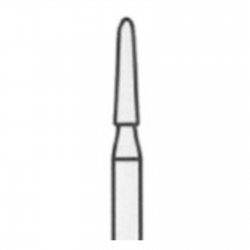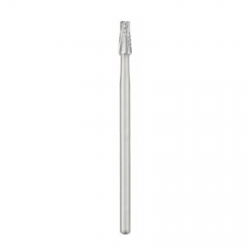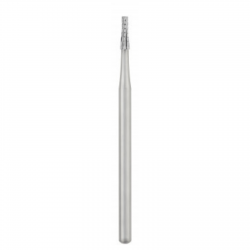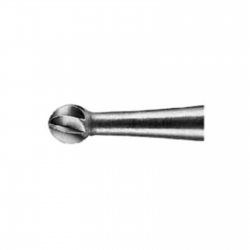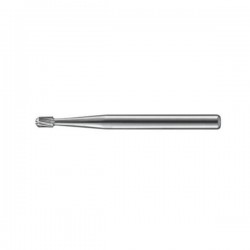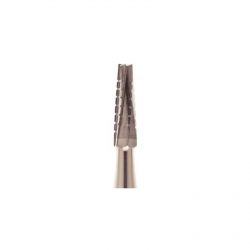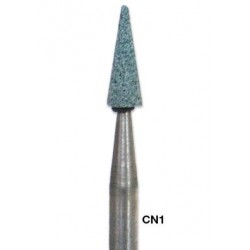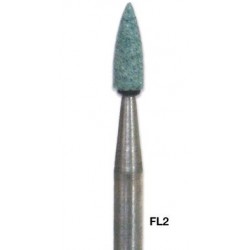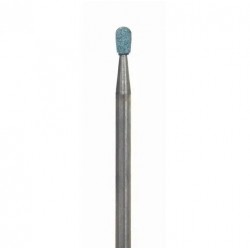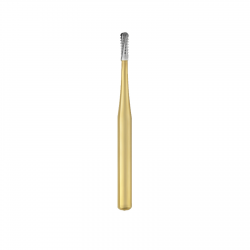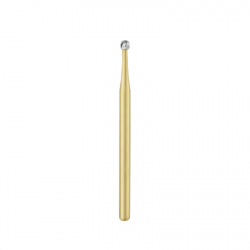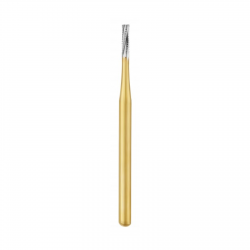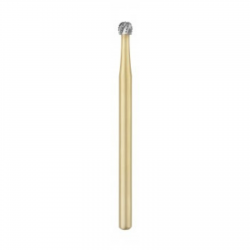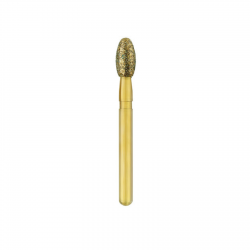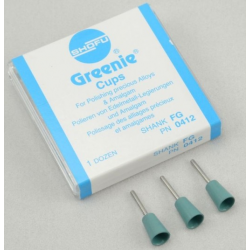

Carbide Burs
Dental Carbide Burs and Operative Carbide Burs
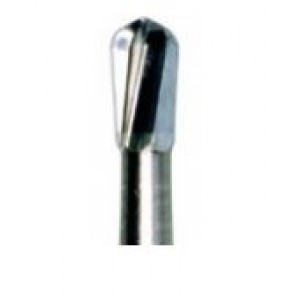
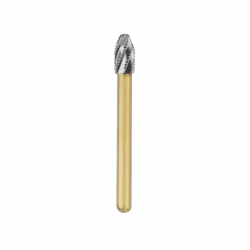
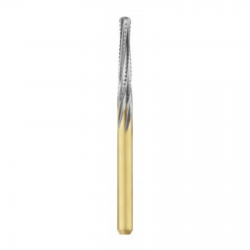
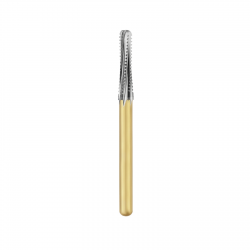
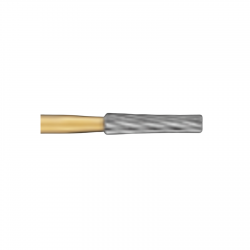
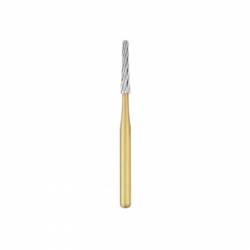
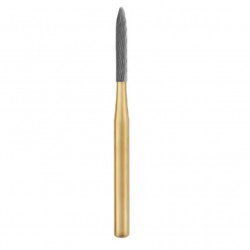
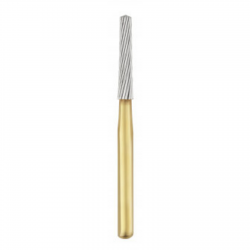
The Carbide Burs section in the Orthazone catalog is dedicated to carbide burs that dentists use every single day. This is a focused group of dental carbide burs for opening carious lesions, shaping cavities, removing old restorations, and refining preparations before crown and bridge work. In many practices, it is exactly these carbide burs that are most often in the handpiece during routine operative and prosthodontic procedures.
The role of carbide burs in everyday dentistry
Carbide burs remain a standard in daily practice for caries treatment, replacing old fillings, preparing teeth for crowns and bridges, and adjusting restorations. For many procedures, carbide burs for dentistry provide the tactile control clinicians are used to: a predictable cut, a familiar feel on dentin, and efficient material removal.
While diamond burs are often chosen for enamel, ceramics, and very hard materials, carbide dental burs are commonly used for cavity preparation and refinement, removal of composite and amalgam, and fine-tuning margins and line angles. Because of their cutting design, a carbide bur allows controlled, efficient cutting with a surface quality that many clinicians prefer on dentin.
As a result, dental carbide burs become the “workhorse” for the general dentist: they handle most of the preparation and refinement tasks, especially when working with restorative materials from categories like Flowable Composites, Bulk Fill Composites, and adhesive systems in Dental Bonding Agents.
Main types of dental carbide burs
Standard carbide burs for cavity preparation
The core group of carbide dental burs includes burs for initial access and cavity shaping. Classic shapes (round, pear, fissure, and others) are used to:
- open carious lesions,
- remove softened dentin,
- create and extend the box form,
- smooth cavity walls and floors.
These dental carbide burs are often used dozens of times per day. With the right selection of shapes and sizes, a clinician can cover most standard scenarios from initial access through final refinement before adhesive procedures and placement of restorative materials.
Carbide burs for removal of restorations and refinement
Another important group is carbide burs designed for removing old composite, amalgam, and other restorative materials. For these tasks, many clinicians choose carbide burs for dentistry because they combine efficient cutting with good control on underlying dentin and enamel.
These burs help to:
- quickly remove existing fillings,
- carefully refine the interface between restoration and tooth structure,
- shorten chairtime under isolation while maintaining precision and safety.
Carbide burs for crown and bridge work
In prosthodontics, carbide burs are used at multiple steps of crown and bridge preparation, especially for:
- refining margin design,
- adjusting preparation walls,
- removing temporary crowns,
- local corrections before try-in and final seating.
Many practices maintain a dedicated set of carbide burs for crown and bridge cases, separate from everyday operative burs. This approach simplifies logistics, preserves bur life for specific procedures, and supports consistent preparation quality for fixed prosthodontic work.
How to choose carbide burs for your practice
Shank type and handpiece compatibility
The first parameter to consider when choosing dental carbide burs is shank type and compatibility with existing handpieces. High-speed handpieces typically use FG (friction grip) burs, while low-speed contra-angle handpieces require specific latch-type solutions.
It is important to avoid creating a mix of incompatible systems. Selecting a streamlined range of carbide burs that matches your handpiece inventory simplifies ordering, storage, and chairside use. Assistants can more easily manage which burs fit which handpieces, and the clinician spends less time searching for the correct format.
Head shape and clinical indications
The next step is to choose head shapes for carbide dental burs based on the real clinical profile of the practice. In most cases, a compact set is sufficient:
- two or three shapes for access and initial cavity opening,
- several burs for shaping and extending cavity walls,
- a few options optimized for composite and amalgam removal,
- one or two shapes for refinement of crown and bridge preparations.
There is no need to maintain dozens of SKUs that rarely leave the drawer. It is more efficient to build a short, practical set of carbide burs for dentistry that covers 80–90% of your daily work, and then add specialized shapes only when you regularly encounter specific clinical situations.
Bur life, single-use and multi-use options
Another key consideration is bur life and usage format: single-use versus multi-use. Single-use carbide burs can be helpful where infection control is especially critical or where burs quickly lose cutting efficiency, for example in intensive work on hard restorative materials.
Multi-use dental carbide burs can optimize costs when sterilized properly and not overused. It is important to understand how many sterilization cycles a bur can withstand before its cutting performance drops noticeably, and to incorporate that into purchasing and rotation planning.
Carbide burs in combination with other Orthazone materials
Preparation and adhesive protocols
Work with a carbide bur is only the first step in a longer clinical protocol. After preparation, clinicians typically move on to:
- etching with products from Etching Gels,
- adhesive application from Dental Bonding Agents,
- restorative filling with Flowable Composites and Bulk Fill Composites,
- use of liners and bases from Cements & Liners, when indicated.
The quality of preparation and the microrelief created by carbide burs directly affect adhesion, marginal integrity, and longevity of the restoration. Smooth but not over-polished walls, absence of unsupported enamel and undercuts these are easier to achieve when the clinician has a well-chosen set of dental carbide burs that match their operative protocol.
Prosthodontics, Cements & Liners, and crowns
In crown and bridge cases, carbide burs are used to refine the preparation and manage temporary restorations. How accurately the bur defines the margin and walls influences:
- how well the crown seats,
- how many chairside adjustments are needed,
- how easy it is to work with luting agents from Cements & Liners.
A thoughtfully selected set of carbide burs helps the dentist move from preparation to final cementation more predictably and with fewer corrections.
Relationship to the general Dental Burs category
The Carbide Burs section complements the broader Dental Burs category, where you will also find diamond burs and polishing systems. For a clinic, this means the ability to build a complete bur armamentarium:
- carbide burs for everyday preparation and restoration removal,
- diamond burs for enamel, ceramics, and high-strength materials,
- specialty burs and polishers for finishing and surface refinement.
Orthazone makes it possible to combine different bur types while maintaining a consistent standard across brands and lines within a single practice or group.
Carbide Burs at Orthazone
Range and filtering options
In the Carbide Burs section, you can select from:
- core carbide burs for standard cavity preparation,
- specialized dental carbide burs for restoration removal,
- options for both operative and crown and bridge protocols.
Filters allow you to narrow down burs by shank type, head shape, size, and clinical indication. This is especially useful when you want to build or refresh a fixed set of carbide dental burs aligned with your practice’s protocols.
Standardizing bur sets for the clinic
Many practices organize their work around standardized sets of carbide burs for dentistry: one set for caries management, another for crown and bridge, and a third for specific tasks such as removal of composite and amalgam restorations.
With Orthazone, you can define such a set as a list of products and then repeat it with every order. This is particularly convenient for group practices and multi-site organizations, ensuring that all locations receive the same configurations and that clinicians work in a familiar setup regardless of the office.
Online ordering and USA-wide delivery
Orthazone is designed for dentists and clinics in the USA that want to buy carbide burs online alongside other supplies. You can:
- combine carbide burs, restorative materials, adhesives, cements, and organizing products in a single order,
- plan regular purchases based on standard bur lists,
- maintain the same product mix across multiple operatories and locations.
This simplifies purchasing and inventory management and helps clinicians always have a familiar set of burs at hand.
Practical use cases for carbide burs
Daily caries management
A typical restorative visit includes diagnosis, isolation, opening the carious lesion, removing softened dentin, shaping the cavity, and moving into the adhesive and restorative phases. With a well-chosen set of carbide burs, the dentist works more efficiently and with less fatigue: one bur for access, another for shaping, and a third for final refinement of walls and floor.
This short, structured list of dental carbide burs for everyday operative work supports a stable and repeatable protocol at each appointment.
Removing old composite and amalgam restorations
When replacing existing fillings or treating secondary caries, the first task is often to remove the old material quickly and safely. Here, carbide burs for dentistry are valuable because they can efficiently cut composite or amalgam while maintaining good control on underlying tooth structure.
The clinician tires less, the patient spends less time under isolation, and precise tactile feedback reduces the risk of removing more sound tooth structure than necessary.
Crown preparation and refinement
During prosthodontic appointments, carbide burs help refine the preparation and manage temporary restorations: smoothing margins, adjusting walls, removing temporaries, and making localized corrections before try-in and final seating.
A dedicated set of carbide dental burs for crown and bridge allows the prosthodontist to move efficiently from patient to patient using familiar bur shapes for each step, while the assistant can reliably assemble the correct set without mixing it with everyday operative burs.
FAQ
How do carbide burs differ from diamond burs in daily practice?
Carbide burs are often used for dentin, restoration removal, and cavity shaping, offering aggressive yet controlled cutting and a tactile feel many clinicians prefer. Diamond burs are typically chosen for enamel, ceramics, and very hard materials, as well as for certain finishing steps. In most practices, both types are used together, each in its ideal indication.
Which carbide burs should be included in a basic restorative set?
A practical basic set usually includes several shapes for access and initial cavity opening, burs for shaping and extension, burs designed for removing composite and amalgam, and one or two shapes for refining crown and bridge preparations. This compact selection of dental carbide burs covers the majority of everyday operative tasks.
Do I need separate carbide bur sets for operative and prosthodontic procedures?
In many clinics, separate sets are very helpful. One set of carbide burs for dentistry focuses on caries management and replacement of fillings, while another is reserved for crown and bridge cases where margin design and preparation geometry are critical. This separation makes it easier to manage bur wear and keep workflows organized.
Can carbide bur purchasing be standardized across multiple clinics?
Yes. You can define a typical set of dental carbide burs for operative and prosthodontic protocols and then regularly buy carbide burs according to those lists for all locations. This simplifies procurement, maintains consistent clinical standards, and makes internal training for dentists and assistants more straightforward.