
Flowable Composites
Flowable Composites for Modern Restorative Dentistry
In modern restorative dentistry, flowable composites have become an essential part of the everyday toolkit. These low-viscosity materials help improve adaptation of the restoration to cavity walls, reduce the risk of microleakage, and simplify work in hard-to-reach areas. At Orthazone, you can choose from a wide range of flowable dental composites and flowable composite resin, including light cure flowable composite materials for daily restorations and lining layers.
The role of flowable composites in restorative dentistry
Flowable materials complement, rather than replace, conventional universal composites. Flowable composites act as an elastic intermediate layer that improves adaptation to cavity walls and the pulpal floor and helps redistribute polymerization stress. Thanks to their low viscosity, a flowable composite restorative material readily flows into micro-irregularities and undercuts where thicker materials might leave voids.
Often, a flowable composite liner is applied in a thin layer beneath the main restoration, while a flowable composite base material serves as a transitional layer between dentin and the universal composite. In clinical protocols, these layers are integrated with etching procedures using products from the Etching Gels category and adhesive systems from Dental Bonding Agents, as well as with liners and bases from Cements & Liners for deeper cavities.
Main types of flowable composites and their properties
Light cure flowable composite
The most common format is a light cure flowable composite. It allows clinicians to control working time and the moment of polymerization, place thin layers, and work incrementally. These flowable dental composites integrate easily into modern adhesive workflows that use etching gels and bonding agents and combine well with materials from the Bulk Fill Composites category when you want to shorten overall restoration time.
Low viscosity flowable composite vs heavier formulas
A low viscosity flowable composite provides excellent flow and adaptation to cavity walls, especially in proximal boxes, undercuts, and cervical areas. However, high flow requires careful control of layer thickness to avoid excessive shrinkage and stress. Higher-viscosity flowable materials are useful where you need better shape control and slightly more bulk without the risk of significant slumping.
Radiopaque flowable composite and radiographic evaluation
Radiopacity is a key parameter for lining and base materials. A radiopaque flowable composite is easily distinguishable on radiographs from carious dentin and surrounding structures, which is important for quality assessment and long-term follow-up. This becomes especially relevant when a flowable composite base material is used under the main restoration in posterior teeth or in areas with a higher risk of secondary caries.
Nano hybrid flowable composite
A nano hybrid flowable composite combines flowability with improved mechanical performance, including higher strength, wear resistance, and polishability. Such materials can be used not only as liners but also for small direct restorations, repairs of minor chips, and minimally invasive procedures. With proper shade selection, flowable composite resin integrates well into the esthetic zone, especially when used alongside products from the broader cosmetic and restorative assortment.
Clinical indications for flowable composites
Flowable composite for cavity lining and base material
One of the main uses of flowable materials is as a liner or base. A flowable composite for cavity lining is applied in a thin layer along the cavity floor and walls to fill micro-irregularities and create a smooth interface for the main restorative material. A flowable composite base material helps form a uniform foundation, distribute polymerization stress, and improve marginal adaptation. In deeper cavities, these layers are often combined with traditional liners and bases from Cements & Liners to achieve an optimal balance of elasticity and rigidity.
Class II, Class III, Class V and posterior flowable composite
A flowable composite for Class II restorations is widely used in proximal boxes as the initial layer to improve contact with matrix systems and cavity walls. In Class III and Class V lesions, flowable composites are helpful for shaping margins, treating non-carious cervical lesions, and managing abfraction defects. In posterior teeth, a posterior flowable composite is typically used in combination with more robust universal or bulk-fill materials: the flowable layer acts as a liner and adaptation layer, while the occlusal volume is built with higher-strength composite.
Flowable composite for pit and fissure sealants and minimally invasive therapy
A flowable composite for pit and fissure sealants can be used as a fissure sealant in both pediatric and adult patients, especially when a more durable, composite based option is preferred. Flowable composites are also ideal for minimally invasive restorations, such as repairing small chips, closing microgaps, and refining margins of existing restorations. The low viscosity of flowable composite resin supports conservative dentistry by allowing precise, economical placement without unnecessary tooth reduction.
How to choose flowable composites for your clinical protocol
Viscosity, indications, and placement technique
When choosing between a low viscosity flowable composite and a heavier formula, start from the clinical indication. A more fluid material is preferable for thin liners in proximal boxes and complex cavity geometries, while slightly thicker flowables are convenient for small direct restorations or fissure sealing, where shape control matters. In all cases, flowable dental composites are intended for thin, controlled increments rather than large bulk volumes.
Radiopacity and compatibility with other materials
A radiopaque flowable composite gives clinicians confidence when evaluating radiographs, making it easier to distinguish the material from recurrent caries or other structures. When selecting a flowable material, consider its compatibility with your adhesive system and etching protocol Orthazone allows you to build a cohesive kit using products from the Etching Gels and Dental Bonding Agents categories, and combining them with Bulk Fill Composites and selected bases and liners.
Packaging format and ergonomics of syringe flowable composite
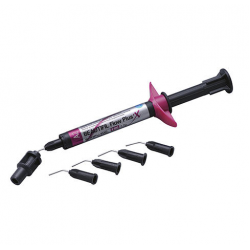
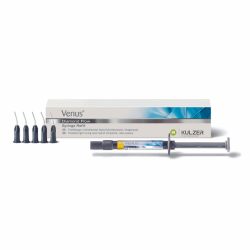
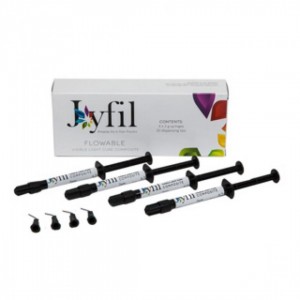
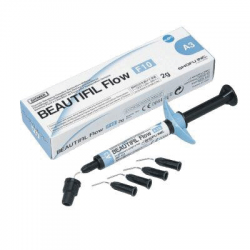
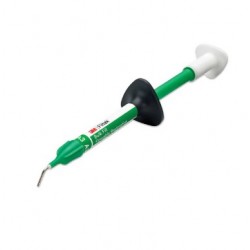
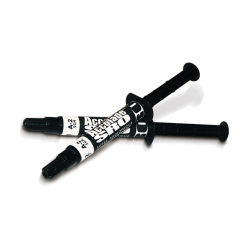
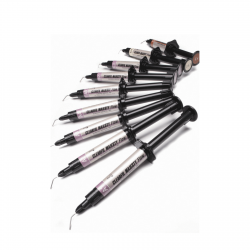
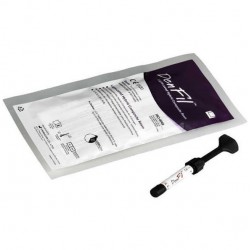
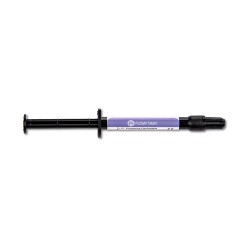
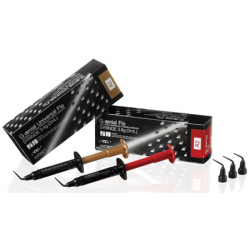
The syringe flowable composite format has become a standard due to convenient dosing and access in difficult areas. Syringes with fine tips allow precise delivery into proximal boxes, fissures, and undercuts while minimizing waste. Well-organized storage separating syringes by shade and indication and monitoring expiration dates simplifies daily work for both the dentist and assistant.
Economics and purchasing strategy
Consumption of flowable dental composites depends heavily on the clinician’s style: some use them solely as liners, while others rely on them extensively for repairs and fissure sealing. Single-doctor practices can maintain a modest stock of core shades and indications, whereas group practices and DSOs benefit from standardized protocols and centralized purchasing. By ordering through Orthazone, you can combine Flowable Composites with Bulk Fill Composites, bonding agents, etching gels, and products from Cements & Liners in one shipment to streamline logistics.
Flowable Composites at Orthazone
Assortment and catalog filters
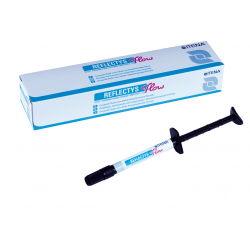
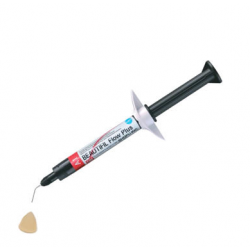
The Flowable Composites section at Orthazone includes multiple types of flowable composites: classic flowable dental composites, universal flowable composite resin, light cure flowable composite materials for routine use, radiopaque flowable composite products for confident radiographic evaluation, low viscosity flowable composite options for maximum adaptation, nano hybrid flowable composite materials with enhanced mechanical properties, and syringe flowable composite formats for ergonomic delivery. You can select materials by indication, viscosity, radiopacity, and packaging.
Building a comprehensive restorative kit
When planning purchases, it is efficient to assemble a complete adhesive and restorative workflow. Along with Flowable Composites, you can order bonding systems from the Dental Bonding Agents category, etchants from Etching Gels, bulk-fill materials from Bulk Fill Composites, and liners and bases from Cements & Liners. This approach helps standardize protocols across clinicians and operatories and simplifies staff training.
Online ordering and shipping across the USA
Orthazone is designed for US dental practices and clinics that need a reliable supply of restorative materials. You can compare flowable composites by indication and properties, view product details, and place orders online in just a few steps. Fast shipping across the USA and easy reordering of preferred products help purchasing teams maintain a stable inventory, even in high-volume settings.
Practical use cases for flowable composites
Liner and base under the main restoration
A classic scenario is the use of a flowable composite liner and flowable composite for cavity lining beneath the main restoration. A thin layer of flowable material fills irregularities, improves adaptation, and can act as an elastic stress-relief layer. A flowable composite base material is especially useful in deeper cavities where you want a smooth transition between dentin, any liner from Cements & Liners, and the overlying composite.
Class II and posterior restorations
When restoring proximal defects, a flowable composite for Class II restorations is often used as the first layer in the box to secure close adaptation to the matrix and cavity walls. In posterior teeth, a posterior flowable composite is usually combined with more robust universal or bulk-fill materials: the flowable layer functions as a liner and adaptation layer, while the occlusal volume is built with higher-strength composite from categories such as Bulk Fill Composites.
Fissure sealing and minimally invasive restorations
A flowable composite for pit and fissure sealants is suitable for sealing fissures in both children and adults when a more durable and esthetic option is desired. Flowable composites are also well suited for minimally invasive treatments, such as repairing small chips, closing micro gaps, and refining the margins of existing restorations. With correct shade selection, flowable composite resin delivers neat esthetic results while preserving as much tooth structure as possible.
Esthetic and repair scenarios
In the esthetic zone, flowable composites help refine details by smoothing transitions, closing black triangles, and correcting margins around existing restorations or veneers. A well chosen flowable composite resin is convenient for small additions and thin layers where conventional composites may be too viscous. In combination with broader cosmetic systems, this approach gives clinicians more flexibility when treating esthetically demanding cases.
FAQ
What are flowable composites and how do they differ from conventional composites?
Flowable composites are low viscosity composite materials that adapt more easily to cavity walls and floors. Unlike conventional universal composites, they are mainly used as liners, bases, or for small restorations where flow and precise adaptation are more important than building large volumes.
When should I use a flowable composite liner and flowable composite base material?
A flowable composite liner is applied in a thin layer along the prepared cavity walls and floor to improve adaptation and reduce the risk of microleakage. A flowable composite base material is used as an elastic sublayer beneath the main restoration, especially in deeper cavities and posterior teeth, to help distribute polymerization stress and enhance marginal integrity.
Can I use a flowable composite for Class II restorations as the primary material in posterior teeth?
In most cases, a flowable composite for Class II restorations is used as an adapting layer in the proximal box rather than as the primary bulk material. For the main occlusal volume in posterior teeth, it is better to rely on stronger universal or bulk-fill composites and keep the flowable material in the role of liner and adaptation layer.
What are the advantages of radiopaque flowable composite and nano hybrid flowable composite?
A radiopaque flowable composite simplifies radiographic interpretation by making the material clearly visible and distinguishable from carious lesions and surrounding tissues. A nano hybrid flowable composite combines flowability with improved mechanical and esthetic properties, allowing its use not only as a liner but also for small direct restorations and esthetic refinements.






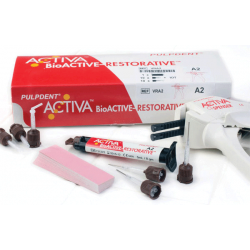
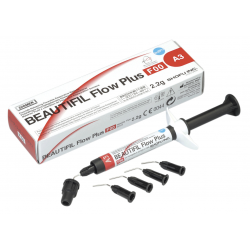
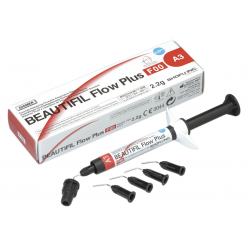
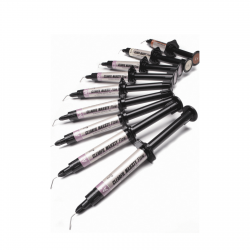
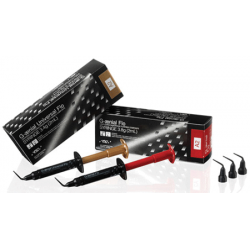
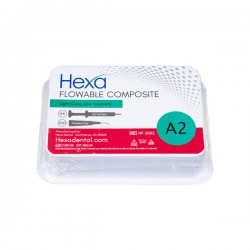
Supplier: Anson Dental Supply
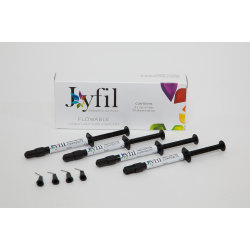
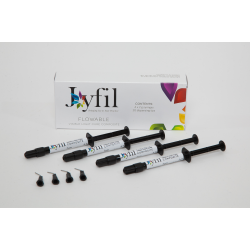

Supplier: Anson Dental Supply
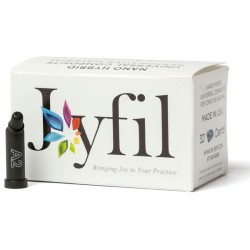
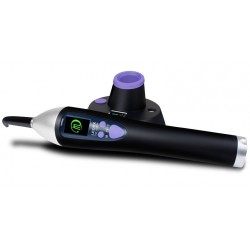
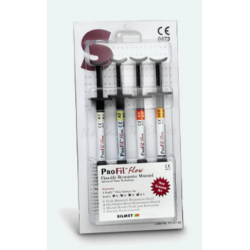
Supplier: Franklin Dental Supply Inc
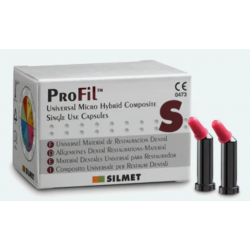
Supplier: Franklin Dental Supply Inc
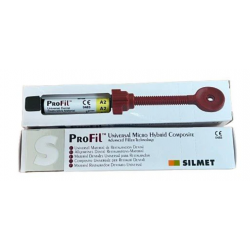
Supplier: Franklin Dental Supply Inc