
Restorative Finishing/Polishing
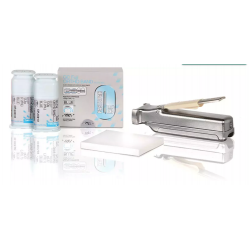
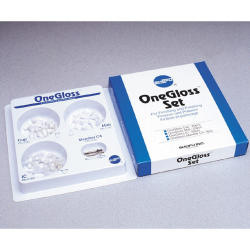
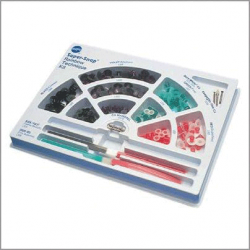
Restorative Finishing and Polishing Kits for Composite Restorations
In this section of the Orthazone online store, you’ll find solutions for restorative finishing and polishing – the final finishing and polishing of restorations. Here you can choose from restorative finishing and polishing kits and dental finishing and polishing kits for working with composite, enamel, and restoration margins. This category is designed for general dentists, restorative dentists, prosthodontists, and orthodontists who want a clear, step-by-step finishing protocol and a predictable esthetic result in daily practice.
The role of restorative finishing and polishing in modern dentistry
Finishing and polishing is not “a quick pass with a rubber point at the end,” but a full and separate clinical step. The quality of restorative finishing and polishing affects not only how the restoration looks, but also patient comfort, ease of hygiene, stain resistance, and long-term durability.
Modern dental finishing and polishing systems let you control each stage – from gross finishing to final gloss. Restorative finishing burs and polishers help you shape the final anatomy, texture, and smoothness so that the restoration blends naturally into the arch and does not stand out from intact tooth structure.
Key clinical tasks for finishing and polishing systems
Finishing and polishing composite restorations
One of the main indications in this category is composite. Composite finishing and polishing kits are designed to define final anatomy, remove excess material, and prepare the surface for polishing. They allow you to refine occlusal anatomy, contact points, margins, and smooth transitions between surfaces.
In practices that place many esthetic restorations in the anterior region, multi-step composite polishing kits are especially relevant. These systems use a sequence of abrasives – from more aggressive finishing to gentle, delicate polishing – to bring composite gloss as close as possible to natural enamel.
Work on enamel and restoration margins
Finishing matters not only for the composite itself, but also for the enamel/restoration interface. Finishing and polishing burs for dentistry and discs help smooth steps, remove sharp edges, reduce micro-roughness, and refine margin lines. This reduces plaque accumulation, lowers the risk of marginal staining, and makes the result look more uniform.
Dental restorative polishing systems allow you to work gently on enamel, removing minimal tooth structure while creating a smooth surface that feels comfortable for the patient and is easy to clean. For interproximal and contact areas, many clinicians also add finishing strips from the Interproximal Strips category to complete the margin finishing protocol.
Different finishing needs for anterior and posterior teeth
Anterior teeth demand maximum attention to esthetics: gloss, surface texture, and how light reflects and scatters. For these indications, multi-step restorative finishing and polishing kits are ideal, allowing you to gradually shape anatomy and build up a “ceramic-like” composite shine.
In the posterior region, priorities shift: durability under load, functional occlusal anatomy, no sharp edges, and sufficient smoothness for hygiene. For these cases, more universal restorative finishing and polishing kits work well, emphasizing occlusal anatomy and reliable polishing of functional surfaces.
Instruments and materials: burs, discs, strips, polishers
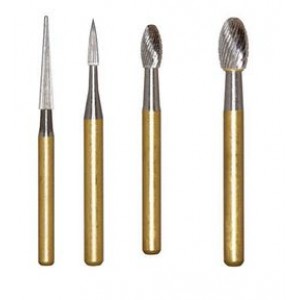
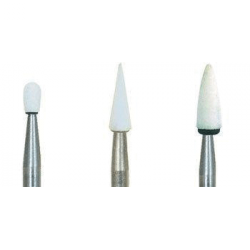
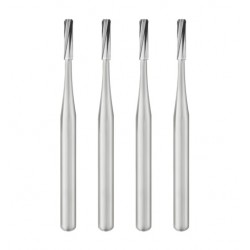
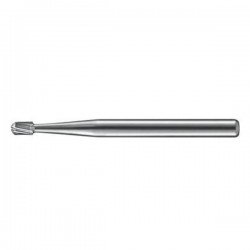
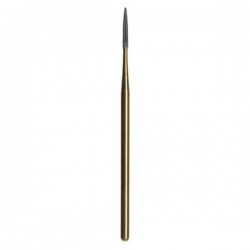
The category includes various types of finishing and polishing burs for dentistry: carbide, diamond, and dedicated finishing burs for composite and enamel. They are used to define final anatomy, correct shape, and smooth surfaces before the polishing stage.
Another important group is finishing and polishing discs for dentistry. Discs of different diameters and grits give you control on facial and proximal surfaces, at the cervical area and in the anterior region, allowing smooth contours and clean margin lines.
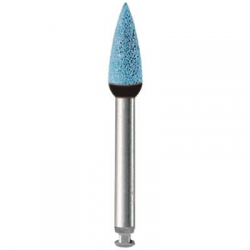
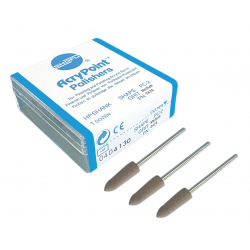
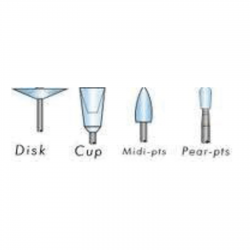
Polishing points, cups, and rubber instruments complete the dental restorative polishing systems. These are for the final stages, where material removal is minimal and the goal is to achieve the desired smoothness and gloss without sacrificing restorative or tooth structure. If you perform orthodontic debonding as well, these systems nicely complement finishing sets from the Ortho Finishing Burs/Points category.
How to choose restorative finishing and polishing kits for your practice
When selecting restorative finishing and polishing kits, it’s important to start from your most frequent clinical scenarios:
- Everyday posterior composite restorations;
- Esthetic work in the anterior region;
- Combined treatment plans involving both orthodontics and restorative dentistry.
For general practice, a basic setup usually includes universal dental finishing and polishing kits that cover composite and enamel finishing in 2–3 steps. For practices with a strong focus on anterior esthetics, it makes sense to add more detailed composite finishing and polishing kits with a wider range of intermediate abrasive grades.
If you prefer to build your own custom system, you can mix individual restorative finishing burs and polishers, discs, and polishing points. However, in most cases ready-made restorative finishing and polishing kits and dental finishing and polishing kits save time on selection and make it easier to standardize protocols within the team. To keep everything organized at chairside, many offices store their systems in bur organizers from the Bur Blocks category.
Special attention should be given to restorative finishing and polishing supplies: maintaining sufficient stock of discs, points, and attachments so your system doesn’t “break” because one critical component is missing at the wrong time.
Restorative finishing and polishing supplies for clinics in the USA
The restorative finishing and polishing supplies assortment at Orthazone is built around the needs of practicing clinicians in the United States. You can choose individual elements as well as complete systems tailored to typical clinical scenarios – from single-tooth restorations to complex rehabilitations.
The dental restorative finishing and polishing USA selection is designed for different practice formats – from solo offices to multi-chair clinics and group practices. You can standardize finishing and polishing sets across operatories so that doctors and assistants follow the same, clear protocol, and purchasing is easy to plan and control.
How to buy dental finishing and polishing kits at Orthazone
In the Restorative Finishing/Polishing section, you can conveniently select dental finishing and polishing kits using filters by system type, number of steps, area of application (anterior/posterior), and recommended restorative material (universal composites, nanocomposites, etc.).
Within a single order, you can assemble a complete restorative finishing and polishing setup:
- Restorative finishing burs and polishers for shaping anatomy;
- Finishing and polishing discs for dentistry for facial and proximal surfaces;
- Polishing points and rubbers from dental restorative polishing systems for final gloss.
This simplifies logistics, reduces the number of suppliers, and helps cut shipping costs by ordering everything needed for finishing and polishing restorations in one place. You can also coordinate these choices with other rotary instruments — for example, diamond burs from the Diamond Burs category — to build a complete restorative workflow.
FAQ about restorative finishing and polishing
How are restorative finishing burs and polishers different from standard burs and rubber points?
Standard burs are usually designed for more aggressive cutting and do not offer the level of control required at finishing stages. Restorative finishing burs and polishers are specifically optimized for working on composite and enamel in the final phases: they remove minimal material, help smooth the surface, and shape accurate anatomy without excessive aggressiveness.
Which composite finishing and polishing kits are best for everyday work?
For daily practice, a multi-step composite finishing and polishing kit with several abrasive levels is usually sufficient. The system should include instruments for shaping anatomy, pre-polishing, and final polishing. More refined composite polishing kits can be added if you perform a large volume of high-end esthetic anterior restorations.
Are multi-step dental restorative polishing systems always necessary?
Not always – the choice depends on your case mix and working style. If you do many complex esthetic restorations, multi-step dental restorative polishing systems provide more predictable results and a more stable surface texture. For basic everyday work, two or three steps may be enough, but even then a structured system usually delivers better and more consistent outcomes than a random collection of rubber points.
What restorative finishing and polishing supplies are the minimum for a general practice?
A basic setup for general practice typically includes universal dental finishing and polishing kits for composite, several finishing and polishing burs for dentistry for shaping anatomy, and finishing and polishing discs for dentistry for facial and proximal finishing. You can then add specialized options from the dental restorative finishing and polishing USA range if you want to cover specific esthetic or complex clinical scenarios.