
Permanent Cements
Permanent Dental Cements for Crowns and Bridges
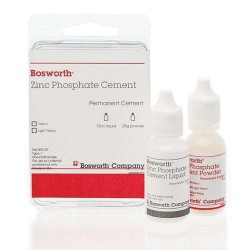
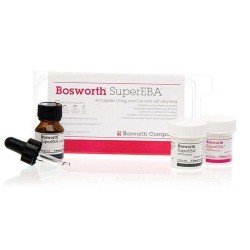
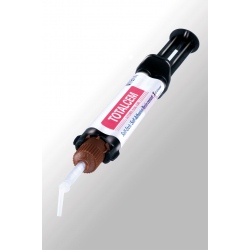
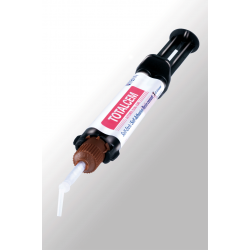
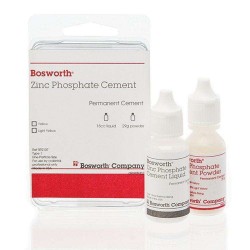
The Permanent Cements category brings together long-term luting materials for crowns, bridges, and other fixed prosthetic restorations. Here you will find core permanent cements, including everyday permanent dental cements for routine cases and more advanced permanent dental cement options for demanding clinical situations. This section is designed for prosthodontists and general practitioners who want a predictable permanent cement for dentistry aligned with their protocols and crown materials.
The role of permanent cements in modern prosthodontics and restorative dentistry
High-quality permanent cements are the foundation of long-term success in restorative and prosthetic treatment. Even a perfectly fabricated crown or bridge will not last if the permanent dental cements are poorly selected: you can face loss of retention, microleakage, sensitivity, or secondary caries at the margin.
A modern permanent cement for dentistry should combine reliable retention, easy handling, compatibility with different restorative materials (metal, PFM, full ceramic, zirconia, composite onlays), and a clear clinical protocol. That’s why this category includes solutions for a wide range of scenarios – from classic luting agents to advanced resin-based systems.
Main types of permanent dental cements
Permanent dental luting cement for crowns and bridges
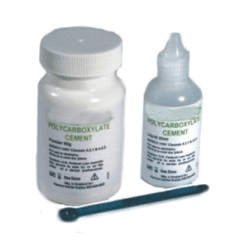
The term permanent dental luting cement usually refers to traditional luting agents used for definitive cementation of crowns, bridges, inlays, and onlays. These materials are designed to work in a thin film, provide accurate seating, and distribute functional load evenly.
For single units, many clinicians rely on a dedicated permanent crown cement or more specialized permanent dental crown cement tailored to specific restorative materials and designs. For multi-unit bridges, a stronger permanent dental bridge cement or broader permanent cement for crowns and bridges is often chosen to handle higher functional loads and long-term stress.
Permanent resin cement for demanding clinical cases
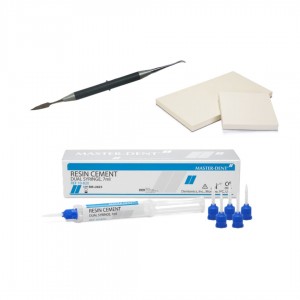
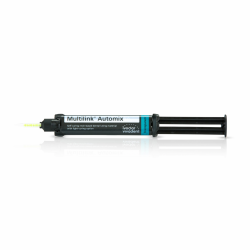
A separate group is formed by permanent resin cement – resin-based or adhesive permanent cements used in esthetically critical areas and with modern materials such as all-ceramic and zirconia crowns or composite inlays and onlays. In these cases, adhesion, strength, and marginal integrity are critical.
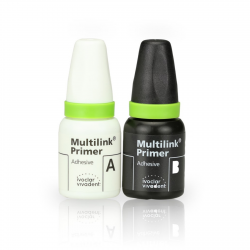
When you select a permanent dental cement from this group, you consider not only retentive strength, but also compatibility with adhesive systems, sensitivity to moisture, and the ability to use light-cure or dual-cure protocols. In cases where a permanent cement for dentistry must combine esthetics, strength, and durability, permanent resin cement often becomes the material of choice.
How to choose a permanent dental cement for your protocol
When choosing a permanent dental cement, start from the types of restorations you use most often:
- metal and PFM crowns,
- zirconia and all-ceramic crowns,
- fixed dental bridges (including implant-supported designs),
- inlays, onlays, and combined restorations.
For straightforward cases, a standard permanent cement for crowns and bridges will provide predictable results with conventional preparation. For highly esthetic restorations, thin ceramic restorations, and complex cases, it’s reasonable to look toward adhesive options and permanent resin cement. Having a small but well-chosen range of permanent dental cements USA in your arsenal lets you adapt your protocol to the clinical situation without abandoning your usual treatment logic.
Permanent dental cements USA and online ordering with Orthazone
The Permanent Cements section on Orthazone helps clinics and private offices across the country standardize their approach to definitive cementation. You can build your own set of permanent dental cements USA without wasting time searching through multiple vendors: everything is grouped in a single Cements & Liners catalog with clear structure.
Online purchasing makes it easy to Buy permanent dental cement online, repeat previous orders, plan inventory in advance, and receive all permanent cements in one shipment. Within the same order, you can also add materials from Temporary Cements when you need provisional fixation, from Implant Cements for implant-supported restorations, or from Temporary Filling Materials for interim protection of prepared teeth. This consolidated approach saves time and keeps key materials under control.
FAQ about permanent cements
How do permanent dental cements differ from temporary cements?
Permanent dental cements are designed for long-term fixation and higher retentive strength. They are used when a crown or bridge is placed as a definitive restoration. Temporary cements, in contrast, allow easy removal of the restoration for adjustment or replacement. For final luting, you should always use a true permanent dental cement.
Which permanent crown cement should I choose for a single crown?
Single crowns can be cemented with either traditional or adhesive types of permanent crown cement. For metal or PFM crowns, most conventional permanent dental crown cement products and broader permanent cement for crowns and bridges will provide reliable results. For thin ceramic crowns, especially in esthetic zones, clinicians often prefer adhesive protocols and permanent resin cement.
Do I need a separate permanent dental bridge cement for bridges?
A dedicated permanent dental bridge cement can be justified when you work with long-span bridges under high functional load. These materials typically offer increased retention and long-term stability. They are still part of the broader family of permanent cement for crowns and bridges, so it’s important to follow manufacturer recommendations and match the cement to your clinical requirements.
When should I choose permanent resin cement instead of a conventional cement?
Permanent resin cement is worth considering when you lute esthetic ceramic or zirconia restorations, thin onlays and inlays, or cases where maximum adhesion and strength are required. In such situations, the permanent cement for dentistry must provide not only retention but also a strong, sealed interface between the restoration and tooth structure. In less demanding cases, conventional permanent cements are often sufficient and are simpler to use and less technique-sensitive.