
Operative Instruments
Dental Operative Instruments and Restorative Hand Instruments
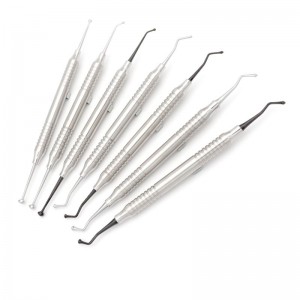
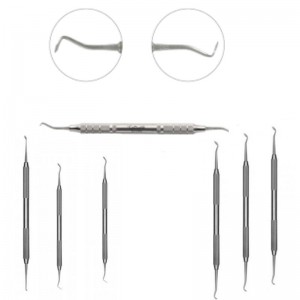
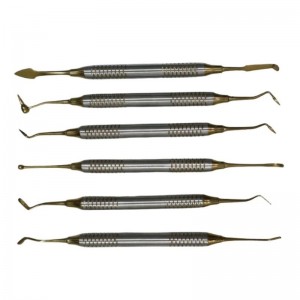
The Operative Instruments category focuses on the hand instruments used every day in restorative and operative dentistry. Here you’ll find core dental operative instruments for cavity preparation, matrix management, placement and condensation of materials, anatomical carving, and final finishing. Orthazone supports dentists and clinics across the USA with practical, procedure-ready operative dentistry instruments that fit modern adhesive and restorative workflows.
The role of dental operative instruments in modern restorative dentistry
High-quality dental operative instruments are at the heart of routine restorative care. From initial exploration of carious lesions to final occlusal adjustments, these tools define how precisely cavities are prepared and how well materials adapt to tooth structure. Reliable restorative dental instruments help clinicians achieve cleaner margins, better proximal contacts, and anatomically correct occlusion, which in turn supports long-term clinical success.
Operative workflows combine burs, adhesives, and restorative materials from categories such as Dental Burs, Dental Bonding Agents, Flowable Composites, and luting materials in Cements & Liners. The right combination of materials and operative instruments for restorative dentistry makes it easier to follow evidence-based protocols while maintaining efficiency.
Main groups of operative instruments
Basic diagnostic and auxiliary hand instruments
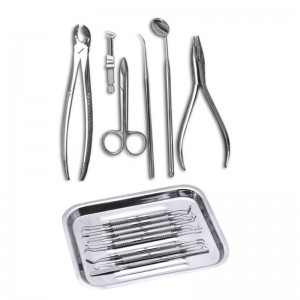
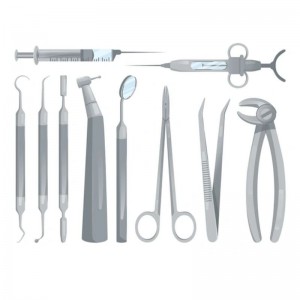
Every restorative setup starts with a core group of dental operative hand instruments. Mouth mirrors, explorers, tweezers, and periodontal probes support caries detection, evaluation of existing restorations, and assessment of fissures and margins. These tools help clinicians decide where and how extensively to prepare, as well as how to manage isolation, matrices, and wedges during treatment.
Although often considered “basic,” these instruments are part of the same ecosystem of operative dentistry instruments that define the accuracy and efficiency of each appointment.
Dental hand instruments for cavity preparation
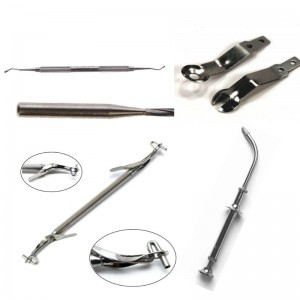
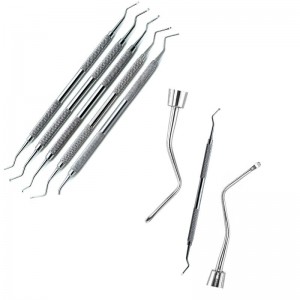
In addition to rotary cutting, many clinicians rely on dental hand instruments for cavity preparation to refine cavity design. Hand cutting instruments, enamel hatchets, margin trimmers, and spoon excavators allow controlled removal of carious dentin, unsupported enamel, and softened material at the periphery of the preparation.
These dental operative instruments complement rotary instruments by improving access to difficult-to-reach areas, smoothing internal line angles, and preparing enamel margins for bonding with adhesives and restorative materials.
Instruments for placement and condensation of materials
Placement tools form the core of both composite and amalgam techniques. For resin-based restorations, dental composite instruments are designed to carry, shape, and adapt materials to cavity walls and matrix bands without sticking or tearing. Different tip shapes and sizes help clinicians manage both anterior and posterior restorations.
In practices that still use amalgam, dental amalgam instruments include amalgam carriers and specialized dental condensers and pluggers that compact material into the preparation. Proper condensation is essential for optimizing mechanical properties, minimizing voids, and creating tight anatomical contacts that integrate well with matrix systems and neighboring teeth.
Instruments for carving, sculpting, and burnishing
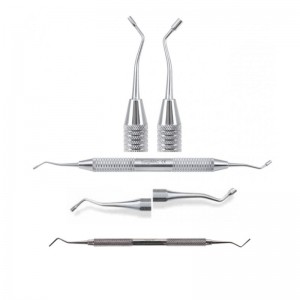
Shaping and smoothing are critical steps for both occlusion and esthetics. Dental carvers and burnishers are used to refine primary and secondary anatomy, establish functional cusp-fossa relationships, and smooth margins prior to finishing and polishing. Carvers precisely define grooves and ridges, while burnishers help adapt material to margins and matrix bands, improving edge integrity.
These tools, together with other restorative dental instruments, bridge the gap between initial placement and final finishing, reducing the amount of rotary adjustment and chairtime required in the polishing phase.
Restorative instrument sets and kits
Many clinicians prefer to work with a standardized dental restorative instruments set that contains all the instruments needed for typical operative procedures. These sets often combine explorers, tweezers, hand cutting instruments, composite placement tools, condensers, carvers, and burnishers in a single, procedure-based configuration.
Whether you choose a preconfigured set or build your own, a well-designed kit of operative dentistry instruments keeps the workflow consistent, reduces omissions, and simplifies training for assistants and new team members.
Who uses operative instruments in clinical practice?
Dental operative instruments for dentists in general practice
Dental operative instruments for dentists in general practice are used across a broad spectrum of cases: primary caries treatment, replacement of failing restorations, post-endodontic build-ups, and core preparations for indirect restorations. For these providers, versatility is key a single set of dental operative hand instruments may be used dozens of times per day.
Balanced, durable tools help clinicians maintain speed and comfort while delivering consistent results in a busy, mixed-case schedule.
Operative instruments for restorative-focused clinicians
Providers with a strong focus on restorative and esthetic dentistry often require a more refined selection of operative instruments for restorative dentistry. This may include composite instruments with different tip textures and angles, ultra-fine carvers for anterior esthetics, and specialized burnishers for contouring and finishing multi-shade restorations.
In combination with advanced bonding agents, flowable liners, and high-performance composites, these professional dental operative instruments support precise layering techniques and high-end esthetic outcomes.
Operative instruments for dental clinics and group practices
In multi-operatory practices, operative instruments for dental clinics must be standardized across multiple chairs. Each operatory is typically stocked with identical sets of restorative instruments to support interchangeable clinicians and consistent quality of care.
Standardization makes it easier to manage sterilization cycles, instrument replacement, and staff training. When each room has the same dental restorative instruments set, providers can work in any operatory without having to adapt to different setups.
How to choose dental operative instruments
Steel quality, surface finish, and durability
When selecting professional dental operative instruments, it is important to look at steel quality, corrosion resistance, and the smoothness of surface finishes. High-grade alloys combined with precise machining help maintain sharp edges on cutting instruments, crisp profiles on carvers, and stable tip shapes on condensers and pluggers.
Instruments must tolerate repeated cleaning, disinfection, and sterilization cycles without pitting or distortion. Over time, well-made dental operative instruments retain their function longer and deliver more predictable clinical performance than low-cost alternatives.
Shapes, sizes, and balanced instrument sets
The configuration of restorative dental instruments should align with the clinical profile of your practice. If you primarily use composites, you may focus on a range of dental composite instruments with different blade widths, angles, and flex characteristics. If you routinely treat posterior teeth or still work with amalgam, including dedicated dental amalgam instruments and appropriately sized condensers and carvers is important.
Set composition can also reflect the types of cases performed separate sets for anterior esthetic work and posterior restorations can streamline both workflow and instrument selection for specific procedures.
Instrument sets, individual selection, and economic efficiency
For new operatories or offices, starting with a curated dental restorative instruments set is often the most practical approach. These sets provide a ready-made foundation of operative tools, reducing the complexity of initial purchasing decisions.
As protocols evolve such as adopting new composite systems, bulk-fill materials, or modified matrix techniques practices can add or replace individual operative dentistry instruments to better support new workflows. With Orthazone, it is easy to buy dental operative instruments as needed to keep instrument inventories aligned with clinical standards.
Operative Instruments at Orthazone
Assortment and catalog navigation
The Operative Instruments section at Orthazone offers a focused selection of tools for everyday restorative dentistry. You will find:
- core dental operative hand instruments such as mirrors, explorers, and tweezers,
- dental hand instruments for cavity preparation including excavators, enamel hatchets, and margin trimmers,
- dental composite instruments, dental amalgam instruments, dental condensers and pluggers, and dental carvers and burnishers,
- preconfigured dental restorative instruments set options built around common operative procedures.
Catalog filters help you refine choices by material type (composite, amalgam, glass ionomer), area of application (anterior vs posterior), and instrument function (placement, condensation, carving, finishing), making it easier to configure sets tailored to your clinical preferences.
Integration with other Orthazone categories
Operative workflows rarely exist in isolation. The same appointment often requires burs from Dental Burs, adhesives from Dental Bonding Agents, flowable liners from Flowable Composites, and luting materials from Cements & Liners. Orthazone makes it possible to coordinate operative instruments for dental clinics with these materials so the entire restorative chain can be sourced from one platform.
This integrated approach simplifies product selection, supports protocol standardization, and makes it easier to keep all treatment rooms stocked consistently.
Online ordering and USA-wide delivery
Orthazone provides a convenient way to buy dental operative instruments for solo practitioners, multi-operatory offices, and group practices. Clinics can standardize preferred sets, assign them to specific operatories, and reorder as needed to replace worn instruments or equip new treatment rooms.
With reliable USA-wide shipping and a catalog focused on everyday restorative needs, Orthazone helps ensure that operative instruments for dental clinics are always available to support efficient, high-quality patient care.
Practical use cases for Operative Instruments
Everyday caries management in general practice
In a typical restorative appointment, the clinician examines the tooth, prepares the cavity, and then restores it with composite or other materials. A complete set of dental operative instruments supports each step: explorers and mirrors for diagnosis, hand cutting instruments for refinement, composite instruments for placement, and carvers and burnishers for shaping and smoothing.
When all necessary operative dentistry instruments are organized and available, the procedure flows more smoothly, with fewer pauses and less need to reach for extra tools mid-treatment.
Esthetic composite restorations in the anterior region
Anterior cases demand fine control of form, shade, and surface texture. Clinicians often rely on specialized dental composite instruments and delicate carvers to layer and contour materials. These tools help reproduce natural line angles, incisal translucency, and surface morphology while minimizing finishing time.
In combination with modern bonding agents and layering techniques, high-quality restorative dental instruments support predictable esthetic outcomes that integrate seamlessly with adjacent dentition.
Posterior restorations with amalgam or alternative materials
For practices that still use amalgam or bulk restorative materials, dedicated dental amalgam instruments and robust dental condensers and pluggers remain important. They allow clinicians to achieve dense fills and anatomically accurate occlusal surfaces that withstand long-term functional loads.
Even when amalgam usage is limited, these operative instruments for restorative dentistry can be applied to other restorative techniques where strong condensation and sculpting are required.
FAQ
What dental operative instruments are essential in a basic restorative setup?
A basic setup typically includes mirrors, explorers, tweezers, spoon excavators, enamel hatchets, margin trimmers, dental composite instruments for placement, dental carvers and burnishers for anatomy and smoothing, and, where applicable, dental amalgam instruments with appropriate dental condensers and pluggers.
How do professional dental operative instruments differ from budget options?
Professional dental operative instruments are made from higher-grade materials with better machining tolerance, sharper edges, and more ergonomic handles. They maintain their shape and function through repeated sterilization cycles, providing more consistent performance and better tactile feedback than low-cost alternatives.
Do I need separate instrument sets for composite and amalgam procedures?
In many practices, separate sets are helpful. Dental composite instruments and dental amalgam instruments are optimized for different materials and handling characteristics. Having dedicated sets allows clinicians to quickly select the most appropriate tools for each restorative technique, improving efficiency and outcomes.
Can I standardize operative instruments across multiple chairs and locations?
Yes. With Orthazone, clinics can build standardized dental restorative instruments set configurations and use them as templates for all operatories and offices. By consistently buying dental operative instruments to match these templates, group practices can simplify training, maintain uniform treatment quality, and streamline purchasing and inventory control.