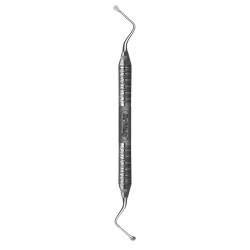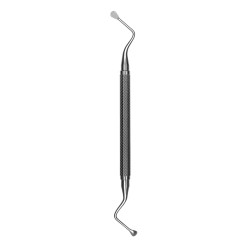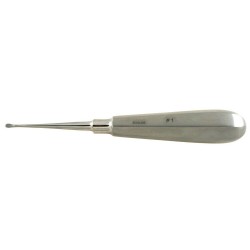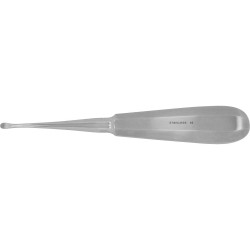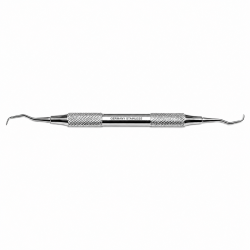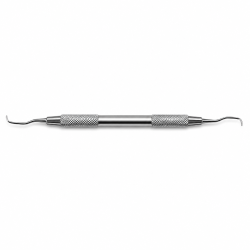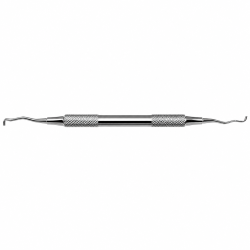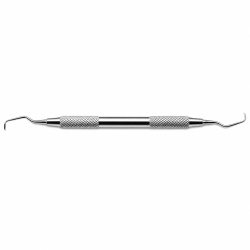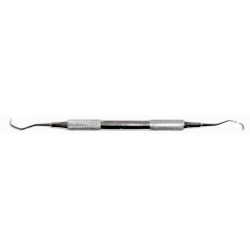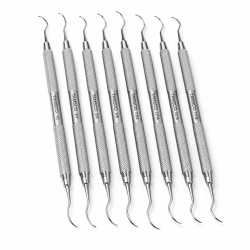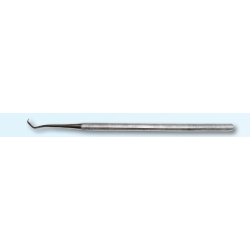

Curettes / Scalers
Dental Curettes and Scalers for Professional Scaling
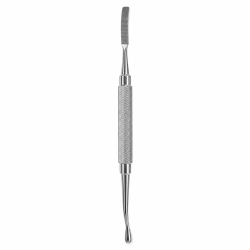
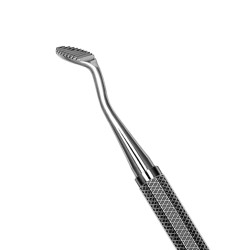
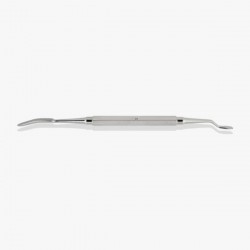
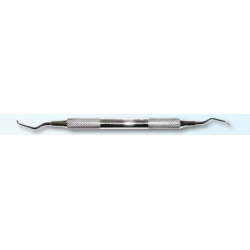
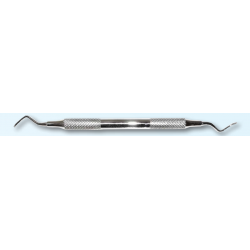
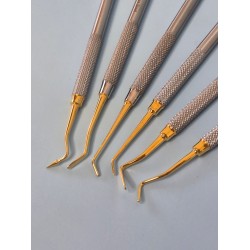
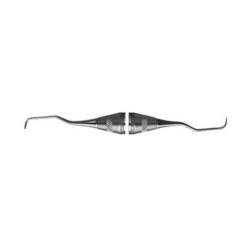
The Curettes / Scalers category is designed for professional hygiene and periodontal care, bringing together a complete range of dental curettes and scalers for everyday use. Here you can configure sets of dental scaler instruments for dentists and dental scaler instruments for hygienists to match your clinical protocols, from routine prophylaxis to advanced periodontal therapy. Both manual and combination setups with ultrasonic units are supported, so your team can build truly comprehensive professional dental scaling tools for any patient risk profile.
The role of curettes and scalers in prevention and periodontal care
Periodontal curettes and scalers are precision instruments used to remove supra- and subgingival deposits, biofilm, and to smooth root surfaces. Unlike consumer “scalers” for home use, true dental scaling instruments are engineered for controlled pressure, access, and tactile feedback during clinical procedures. In preventive visits, hygiene scalers and curettes help keep healthy patients stable, while in periodontal maintenance they are essential for disrupting biofilm and calculus around pockets and restorations.
Well-selected dental curettes for scaling help slow or prevent progression of periodontitis and peri-implant disease, especially when combined with appropriate restorative and esthetic care from categories such as Cosmetic & Restorative Dentistry and whitening materials from Tooth Bleaching & Whitening.
Main types of curettes and scalers
Manual scalers and universal curettes
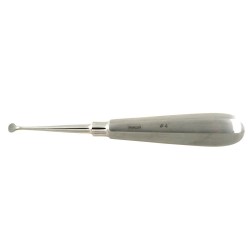
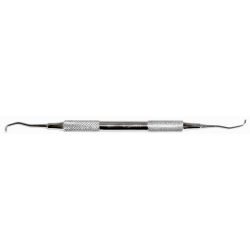
Dental hand scalers remain the foundation of manual hygiene, even in practices with advanced ultrasonic systems. They provide excellent tactile feedback, fine control at the margin, and access in areas where powered tips may be uncomfortable or less efficient. For many general and hygiene visits, universal curettes dental serve as true “workhorse” instruments, allowing clinicians to scale multiple surfaces and quadrants with a small number of instruments.
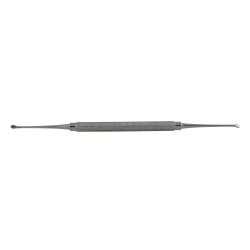
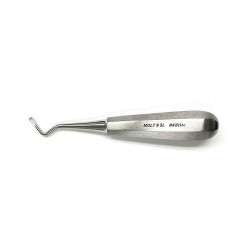
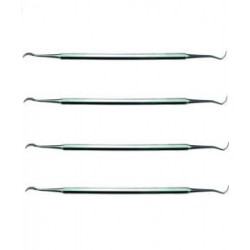
Dental sickle scalers are primarily used for supragingival calculus, especially on anterior teeth and other easily accessible areas. Their blade geometry allows efficient removal of tenacious deposits at the gingival margin. By combining sickle scalers with universal curettes dental, clinicians can create simple, effective setups for routine prophylaxis and maintenance.
Gracey curettes and periodontal instruments
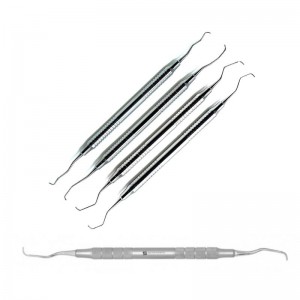
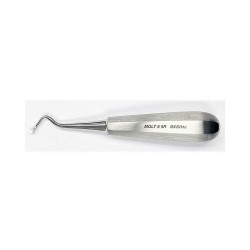
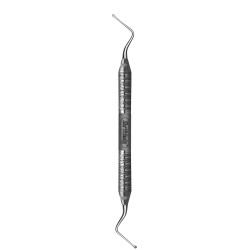
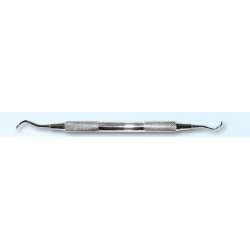
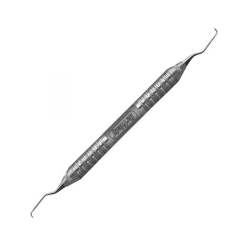
For more advanced periodontal cases, a dedicated gracey curettes set becomes indispensable. Each Gracey curette is angulated and designed for a specific area—mesial, distal, buccal, lingual, and posterior regions—allowing selective instrumentation with minimal tissue trauma. Together, these instruments form a core component of comprehensive periodontal scalers and curettes for both non-surgical and surgical periodontal therapy.
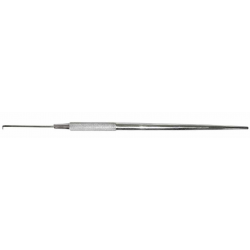
Subgingival curettes are used to debride root surfaces, remove subgingival calculus, and smooth irregular root anatomy. When combined with dental curettes for scaling designed for deep pockets, they allow controlled access into complex periodontal defects, furcations, and areas adjacent to subgingival restorative margins.
Ultrasonic scalers and combined protocols
Modern periodontal care rarely relies on one modality alone. Many practices prefer to combine dental ultrasonic scalers and hand instruments in a single protocol. Ultrasonic devices help rapidly remove heavy deposits, disrupt biofilm, and irrigate pockets, while manual curettes and scalers are reserved for fine-tuning and root planing in critical areas.
This blended approach lets clinicians use powered devices to increase efficiency and patient comfort, then refine results with targeted professional dental scaling tools. In deep pockets, around restorative margins, and near sensitive root surfaces, manual periodontal curettes and scalers provide the level of control and tactile feedback required for predictable outcomes.
Clinical indications and treatment scenarios
Preventive hygiene and maintenance appointments
For routine prophylaxis and recall visits, hygiene scalers and curettes and carefully selected dental hand scalers are often sufficient. Sickle scalers are used supragingivally to remove visible calculus and stain, while universal curettes dental address shallow pockets and interproximal areas. Many offices integrate ultrasonics for efficiency, then finish with hand instruments to refine the gingival margin and interproximal surfaces.
In maintenance patients with a history of periodontitis, dental curettes and scalers are used more frequently subgingivally to manage recurrent deposits and control inflammation. Here, instrument selection is often individualized by quadrant and pocket depth.
Periodontal treatment and subgingival instrumentation
In active periodontal therapy, periodontal scalers and curettes and dedicated subgingival curettes are indispensable for scaling and root planing. A well-configured gracey curettes set allows precise debridement of deep pockets, furcations, and root concavities while preserving as much healthy tissue as possible.
Many clinicians combine dental ultrasonic scalers and hand instruments for initial debridement followed by manual root planing. This workflow provides both efficiency and fine control, especially when working around subgingival restorative margins and materials cemented with products from the Cements & Liners category.
Dentist vs hygienist instrument sets
Instrument needs may differ between doctors and hygienists. Typical dental scaler instruments for hygienists focus on preventive and maintenance procedures: balanced sets of sickle scalers, universal curettes, and a core gracey curettes set. In contrast, dental scaler instruments for dentists may include more specialized subgingival curettes and surgical designs for use during flap surgery, regenerative procedures, or peri-implant debridement.
In multi-provider clinics, it often makes sense to standardize a basic pool of dental curettes and scalers for hygiene, and to supplement it with more advanced periodontal curettes and scalers for periodontal and surgical sessions.
How to choose Curettes / Scalers for your protocols
Selecting instruments by patient profile and periodontal risk
For general practices with a typical mix of patients, a foundational kit of dental curettes and scalers includes a few dental sickle scalers, several universal curettes dental, and a compact gracey curettes set to cover common areas. This is usually enough for preventive and mild-to-moderate periodontal cases.
Specialized periodontal practices and clinics that see more advanced disease often require expanded sets of periodontal scalers and curettes, additional subgingival curettes, and instrument variations that support complex access in deep pockets and furcations. In these settings, professional dental scaling tools are selected not just by shape, but by specific site and defect type.
Ergonomics, handles, and pressure control
Ergonomics is critical for both clinical quality and practitioner health. Handle diameter, weight, and texture all influence hand fatigue and control. Well-balanced dental hand scalers and curettes help clinicians maintain a light but effective grasp, reducing the risk of musculoskeletal strain over long hygiene blocks.
Textured, larger-diameter handles improve grip and control, particularly when working with subgingival curettes in deep pockets or when applying fine pressure near root surfaces. Many modern professional dental scaling tools are designed specifically to support lighter grasp and better tactile sensitivity.
Sterilization, wear, and instrument turnover
All dental scaling instruments are subject to wear and dulling over time, especially under frequent sterilization cycles. Dull blades require more pressure, reduce tactile feedback, and increase the risk of incomplete debridement or tissue trauma. Practices should implement protocols for regular inspection, sharpening, and eventual replacement of worn instruments.
High-quality steels and robust handle designs help hygiene scalers and curettes withstand autoclaving while maintaining cutting efficiency. Standardizing on reliable professional dental scaling tools and tracking their lifespan makes it easier to maintain consistent performance and patient comfort across the hygiene schedule.
Curettes / Scalers at Orthazone
Assortment and catalog filters
The Curettes / Scalers section at Orthazone offers a broad range of products to support both hygiene and periodontal workflows. You will find:
- core dental curettes and scalers for everyday use,
- gracey curettes set options and universal curettes dental for general and periodontal care,
- dental sickle scalers and subgingival curettes for supra- and subgingival instrumentation,
- configurable kits of hygiene scalers and curettes,
- solutions intended to complement dental ultrasonic scalers and hand instruments in combined protocols.
Intuitive filters make it easy to sort instruments by indication (supragingival vs subgingival), blade design, handle type, and whether you prefer single instruments or pre-configured sets.
Building instrument sets around your clinical protocols
With Orthazone, you can build instrument sets that align with your hygiene, maintenance, and periodontal treatment protocols. A basic kit might combine dental hand scalers, universal curettes, and a small gracey curettes set, while a more advanced setup for periodontists adds site-specific subgingival curettes and extended periodontal scalers and curettes.
These kits integrate seamlessly with other categories such as Dental Burs for finishing around restorations and with esthetic and restorative materials from the Cosmetic & Restorative Dentistry section, helping you manage both periodontal health and restorative quality within a single supply ecosystem.
Online ordering and shipping across the USA
Orthazone’s online catalog allows clinicians and hygiene coordinators to compare dental scaler instruments for dentists and dental scaler instruments for hygienists, review specifications, and configure practice-wide kits. Orders can be placed online with fast shipping across the USA, and reordering of preferred professional dental scaling tools is straightforward, supporting standardization across single- and multi-location practices.
Practical use cases for Curettes / Scalers
Standard prophylaxis visits
In routine hygiene appointments, clinicians typically use a combination of hygiene scalers and curettes and dental hand scalers for supragingival deposits, followed by interproximal and marginal refinement with universal curettes dental. When available, ultrasonic devices may be used for bulk calculus removal, with manual instruments providing the final contouring and polishing of root and enamel surfaces.
Treatment of chronic periodontitis
In chronic periodontitis, a combined approach with dental ultrasonic scalers and hand instruments is often employed. Ultrasonic tips are used for initial debridement and irrigation, while periodontal scalers and curettes and dedicated subgingival curettes perform detailed root planing. A well-selected gracey curettes set allows clinicians to access complex root anatomy, furcations, and deep pockets more predictably.
Supportive therapy and high-risk patients
In supportive periodontal therapy and care of high-risk patients (history of periodontitis, systemic risk factors, multiple restorations and implants), appointments rely heavily on well-maintained professional dental scaling tools. Regular recall visits may require different combinations of dental scaler instruments for dentists and dental scaler instruments for hygienists, with more advanced instruments reserved for specific sites or peri-implant areas.
FAQ
What is the difference between universal curettes dental and a Gracey curettes set?
Universal curettes dental are designed to be used on multiple tooth surfaces and in different areas of the mouth, making them ideal as general-purpose instruments. A gracey curettes set contains area-specific curettes with unique angulations for mesial, distal, buccal, lingual, and posterior surfaces, providing more selective, refined access in deep pockets and complex periodontal defects.
When should I use dental sickle scalers versus subgingival curettes?
Dental sickle scalers are primarily used for supragingival calculus and stain removal, especially on anterior teeth and accessible posterior surfaces. Subgingival curettes are designed for root debridement and calculus removal below the gingival margin, where careful adaptation and controlled pressure are critical to avoid tissue trauma.
Do I still need dental ultrasonic scalers if I have curettes and hand scalers?
Yes. Combining dental ultrasonic scalers and hand instruments offers significant advantages. Ultrasonics improve efficiency, reduce clinician fatigue, and enhance patient comfort, particularly with heavy deposits. Hand instruments remain essential for fine adaptation, root planing, and instrumentation in sensitive or anatomically complex areas, so both modalities complement each other rather than replace one another.
How often should dental hand scalers and curettes be sharpened or replaced?
Sharpening frequency depends on instrument use, patient load, and sterilization cycles, but all dental hand scalers and curettes should be checked routinely for sharpness and blade integrity. Signs of dullness include increased pressure during scaling, reduced tactile feedback, and visible rounding of cutting edges. Establishing a schedule for inspection, sharpening, and timely replacement of worn dental scaling instruments helps maintain clinical efficiency and protect both patients and operators.