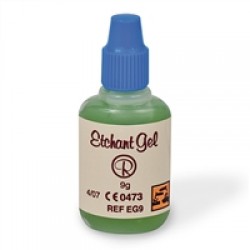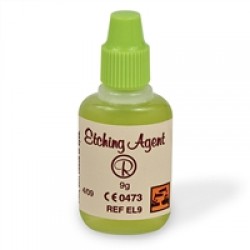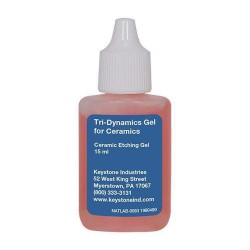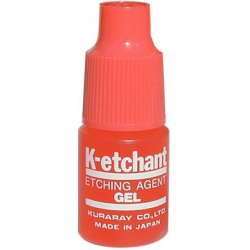

Etching Gels
Etching Gels for Adhesive Dentistry
In contemporary adhesive dentistry, reliable etching gels are a core part of predictable bonding protocols. A quality dental etching gel creates micro-retentive patterns on enamel and dentin, removes the smear layer, and prepares the tooth surface for strong, long-lasting adhesion of composites, cements, and veneers. In Orthazone’s catalog you will find different formulations of phosphoric acid etching gel, including the classic 37% phosphoric acid etching gel, as well as options tailored for enamel only or for both enamel and dentin.
Role of etching gels in adhesive dentistry
A well-designed dental etch gel conditions the tooth surface by demineralizing the outer layer of enamel or dentin to create micro-porosities. This allows dental etching gel for bonding protocols to achieve intimate contact between the adhesive and tooth, forming a stable hybrid layer and strong micromechanical retention. When the etch step is controlled, clinicians see fewer debonds, less marginal discoloration, and more predictable esthetic outcomes.
Choosing the right etching gel for composite restorations is closely linked to the adhesive and composite system you use. For example, many clinicians pair a classic phosphoric acid etching gel with dedicated bonding agents from the Dental Bonding Agents category and low-viscosity materials from Flowable Composites. Properly executed etching, rinsing, and bonding steps help maximize bond strength and minimize post-operative sensitivity.
Main types of etching gels
Phosphoric acid etching gel and 37% formulations
The clinical standard in many adhesive protocols is a phosphoric acid etching gel, most often a 37% phosphoric acid etching gel. These formulations are used in total-etch and selective-etch techniques for direct and indirect restorations, including composite fillings, onlays, crowns, and veneers. Consistent etch depth and a controlled working time allow you to integrate these gels into your existing protocols without changing your restorative materials.
Enamel etching gel and enamel and dentin etching gel
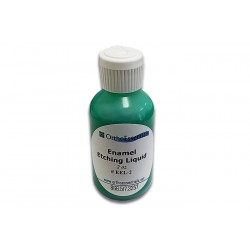
In some situations, a dedicated enamel etching gel is sufficient - for example, when performing selective etching of enamel margins while using a self-etch adhesive on dentin. In other cases, especially when using classic multi-step adhesives, an enamel and dentin etching gel is preferred to condition both substrates in a single step. Choosing between these options depends on your adhesive system, the preparation design, and your sensitivity management strategy.
Self etching gel for dentistry vs total etch dental gel
With a total etch dental gel protocol, you typically etch enamel and dentin with phosphoric acid, rinse, control moisture, and then apply an adhesive. This can provide excellent bond strength but requires careful technique to avoid overdrying dentin and sensitivity. A self etching gel for dentistry simplifies the procedure by combining conditioning and priming, which can be advantageous in cases with challenging moisture control or highly sensitive dentin, although overall etch depth on enamel may be lower.
Formats and handling: blue and syringe gels
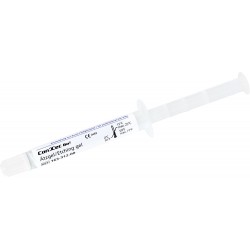
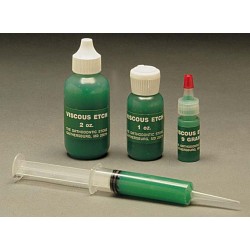
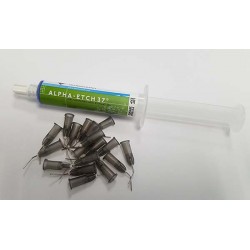
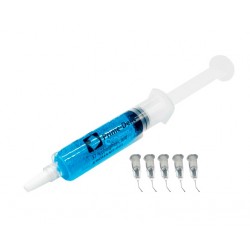
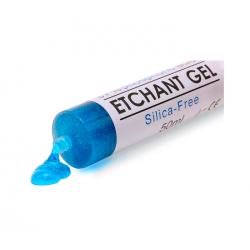
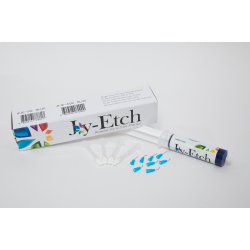
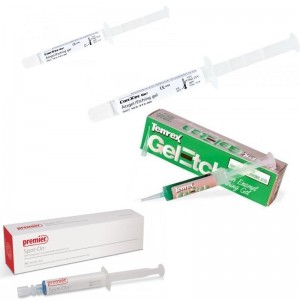
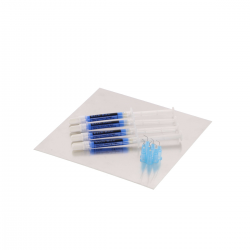
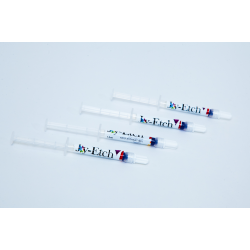
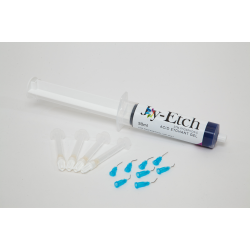
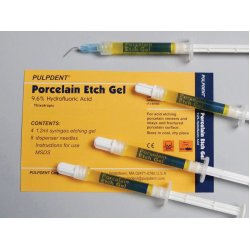
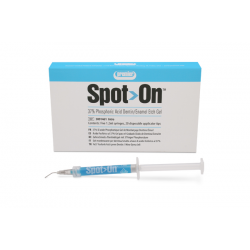
Many clinicians prefer a highly visible blue dental etching gel because color contrast makes it easier to see where the material has been applied and to verify complete removal during rinsing. For precise placement, especially near margins or on small surfaces, a syringe dental etching gel format is often chosen; it allows controlled dosing and targeted placement through fine tips. Viscosity is also important - an etching gel for enamel etch should stay where you place it, without running onto adjacent tissues or dentin when that is not desired.
How to choose etching gels for your clinical protocols
Tooth substrate and clinical situation
When you are working only on enamel, such as in many no-prep or minimal-prep cases, a selective technique with an etching gel for enamel etch or a focused enamel etching gel may be sufficient. In more complex preparations involving both enamel and dentin, an enamel and dentin etching gel used in a total-etch protocol can provide strong bonding across all surfaces. For indirect esthetic cases - veneers, inlays, and onlays you may also coordinate your etching approach with systems from the Veneer Systems and broader Cosmetic & Restorative Dentistry assortment.
Compatibility with adhesives and composites
Your choice between a total etch dental gel and a self etching gel for dentistry should match the adhesive systems used in your practice. For highly esthetic direct cases, many clinicians still prefer a phosphoric-acid total-etch approach followed by dedicated bonding agents and an etching gel for composite restorations that fits into this workflow. When you rely heavily on bulk placement, you may combine etching protocols with materials from Bulk Fill Composites and thin liners from Cements & Liners to optimize both efficiency and long-term seal.
Application control and chairside ergonomics
For everyday use, the handling properties of your dental etching gel matter as much as the chemistry. A contrasting blue dental etching gel makes it easier to track placement in posterior regions and along subgingival margins. Syringe-based delivery using a syringe dental etching gel enhances control, reduces waste, and allows better access to small or deep cavities. Consistency should allow the gel to stay where it is placed, limiting unintended spreading to adjacent tissues.
Economics and stocking strategy
From a purchasing standpoint, it is helpful to estimate how much dental etch gel each operatory uses over a given period and maintain a buffer to avoid shortages. Single-doctor practices may prefer smaller kits with syringes and tips, while groups and DSOs often choose larger packages of etching gels for centralized stocking. With Orthazone, you can bundle your etch products with adhesive systems from Dental Bonding Agents, composites from Flowable Composites and Bulk Fill Composites, and liners or bases from Cements & Liners in a single shipment.
Etching gels at Orthazone
Assortment and catalog filters
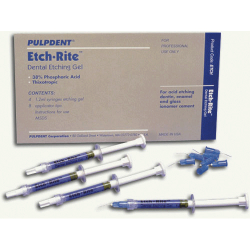
Orthazone offers a focused selection of etching gels to support a wide range of adhesive protocols. You can choose a classic dental etching gel, specialized phosphoric acid etching gel formulations, and the widely used 37% phosphoric acid etching gel. Options are available for enamel-only or combined enamel/dentin conditioning, including both self-etch and total-etch concepts, as well as visible blue dental etching gel products in convenient syringe formats.
Building a complete adhesive workflow
Beyond the etch step itself, Orthazone helps you assemble a complete adhesive workflow from one source. You can combine your preferred etching gels with bonding systems from the Dental Bonding Agents category, flowable and bulk-fill composites from Flowable Composites and Bulk Fill Composites, plus bases and liners from Cements & Liners. This allows your team to standardize on kits and protocols across multiple operatories or locations.
Online ordering and shipping across the USA
Orthazone is designed for busy US dental practices and group clinics that need reliable supply of adhesive materials. You can review product details, compare different dental etching gel formulations, and place orders online in just a few steps. Fast shipping across the USA and easy reordering help ensure that your inventory of etching gels and related materials remains stable, even in high-volume environments.
Practical use cases for etching gels
Total-etch restorative protocols
In classic total-etch techniques, a total etch dental gel is applied to enamel and dentin, rinsed, and followed by careful moisture control and adhesive placement. This approach, combined with an appropriate etching gel for composite restorations, remains a benchmark for many direct esthetic cases. When integrated with modern adhesives and composites from Flowable Composites and Bulk Fill Composites, it offers strong bonds and durable margins.
Selective enamel etching
Selective enamel etching protocols use an etching gel for enamel etch or focused enamel etching gel on enamel margins while relying on a self-etch adhesive on dentin. This can help reduce the risk of over-etching or overdrying dentin while still achieving strong enamel bonds. The technique is particularly useful in cases where most of the preparation is in dentin but enamel margins require additional micromechanical retention.
Self-etch approaches in sensitive or complex cases
When managing cases with high dentin exposure, difficult isolation, or a history of sensitivity, a self etching gel for dentistry may provide a more forgiving alternative. These systems aim to balance bond strength with reduced sensitivity by integrating etching and priming steps. They can be especially valuable in multi-surface restorations, deep cavities, and treatments for high-risk or anxious patients.
Esthetic restorations, veneers, and indirect work
For veneers, esthetic inlays/onlays, and other indirect restorations, dental etching gel helps prepare enamel and, where appropriate, dentin within the adhesive protocol you select. Coordination with veneer and cosmetic systems, such as those in Veneer Systems, ensures that the tooth side of the interface is conditioned correctly. In many cases, a clear, well-defined etch pattern is essential for long-term esthetic stability.
FAQ
What are etching gels and why are they important in adhesive dentistry?
Etching gels are acid-based materials used to condition enamel and dentin before adhesive placement. A quality dental etching gel or dental etch gel removes the smear layer, creates a micro-retentive surface, and allows bonding agents to penetrate and form a strong hybrid layer, which is critical for long-lasting restorations.
What is the difference between total etch dental gel and self etching gel for dentistry?
A total etch dental gel is typically a phosphoric-acid gel applied to enamel and dentin, followed by rinsing and separate adhesive steps; it offers high bond strength but demands careful moisture control. A self etching gel for dentistry integrates the conditioning and priming steps, simplifying technique and often reducing sensitivity, though the etch effect on enamel is usually less aggressive.
When should I use enamel etching gel vs enamel and dentin etching gel?
An enamel etching gel is often used for selective enamel etching when your adhesive is designed to self-etch dentin. An enamel and dentin etching gel is preferred when you follow a full total-etch protocol on both substrates, such as for highly retentive esthetic cases and indirect restorations requiring maximum bond strength.
Why is 37% phosphoric acid etching gel so commonly used, and is it safe for enamel?
The 37% phosphoric acid etching gel concentration has become a standard because it reliably creates an ideal etch pattern on enamel and conditioned dentin within a short application time. When used according to manufacturer instructions with controlled exposure time and thorough rinsing—it is safe for enamel and provides a predictable foundation for bonding.




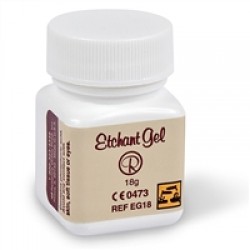
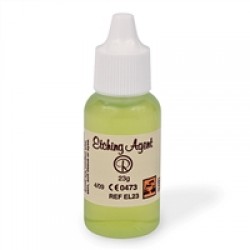
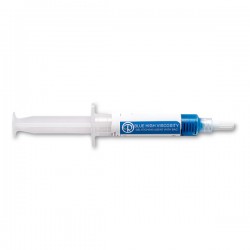
Supplier: Reliance Orthodontic Products
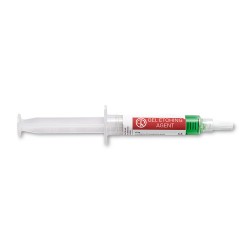
Supplier: Reliance Orthodontic Products