
X-Ray Portable Units
Portable & Handheld Dental X-Ray Machines
Portable Dental X-Ray Systems for Flexible Chairside Imaging
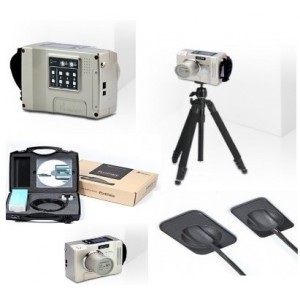
A portable dental X-ray machine gives dental professionals the flexibility to take intraoral radiographs without relying on a fixed wall-mounted X-ray source in every operatory. These compact systems can be especially useful in practices that want a more flexible imaging workflow, need to move equipment between treatment rooms, or provide care in locations where a permanently installed unit is not practical.
OrthAzone offers portable and handheld X-ray systems for dental and orthodontic practices, including compact digital units designed for routine chairside imaging. When choosing a system, factors such as weight, battery performance, exposure controls, image receptor compatibility, ease of positioning, and technical support are just as important as the size of the device.
What Is a Portable Dental X-Ray Machine?
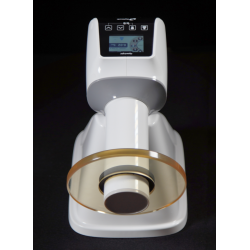
A portable dental X-ray system is a compact X-ray source designed primarily for intraoral dental imaging. Unlike a traditional wall-mounted system, a portable unit can be moved between treatment areas or, depending on the design, operated as a handheld device.
The X-ray source works with compatible digital sensors, phosphor plates, or dental film to capture periapical, bitewing, and other intraoral images. The portable unit generates the exposure, while the image itself is recorded by the receptor used by the practice.
This distinction is important because portable dental X-ray systems serve a different purpose from panoramic, cephalometric, or CBCT equipment. Practices that need full-arch panoramic or 3D imaging should compare systems in our 2D Pan/Ceph and 3D X-Ray Units category.
Portable vs. Handheld Dental X-Ray Systems
The terms portable and handheld are often used together, but they are not always identical. A portable system is designed to be moved rather than permanently installed, while a handheld dental X-ray machine is specifically designed to be held and positioned by the operator during use.
For many dental offices, handheld units offer the greatest flexibility because the same device can be used in multiple operatories without installing a separate X-ray generator in each room. Other portable configurations may be better suited to practices that prefer a supported or mounted workflow.
| Practice Consideration | Handheld / Portable | Fixed Wall-Mounted Unit |
|---|---|---|
| Move between operatories | Excellent fit | No |
| Permanent installation required | Typically less extensive | Yes |
| Chairside flexibility | High | Limited to installed room |
| Battery operation | Common | Not typically required |
| Best fit | Flexible multi-room workflow | Dedicated imaging location |
Who Uses Handheld Dental X-Ray Equipment?
A handheld dental X-ray system can be useful in many different practice environments. The main advantage is not simply portability; it is the ability to adapt the imaging workflow to the office rather than requiring every patient to be brought to a permanently installed X-ray source.
Portable systems may be appropriate for:
- General dental practices using intraoral radiographs throughout the day.
- Orthodontic offices that need convenient chairside intraoral imaging.
- Practices with several operatories but a limited number of X-ray generators.
- Offices adding an additional treatment room without installing another fixed unit.
- Mobile dental services and other environments where permanent installation may not be practical.
- Practices replacing an older portable unit with a newer digital system.
A portable system should still be selected according to the practice's actual clinical workflow, applicable operating requirements, and the type of image receptor used in the office.
What to Look for in a Portable Dental X-Ray Unit
Two portable systems can look similar but feel very different after hundreds of routine exposures. When comparing a portable dental X-ray unit, consider the features that affect daily operation rather than focusing only on headline specifications.
- Weight and balance: A unit that is comfortable to position can be easier for staff to use repeatedly throughout the day.
- Battery performance: Consider charging time, expected exposures per charge, and how battery status is displayed.
- Exposure controls: Settings should be easy to understand and adjust for the examinations performed in your practice.
- Image receptor compatibility: Confirm compatibility with the digital sensors, phosphor plates, or film used by your office.
- Positioning: The design should support consistent alignment with the patient and image receptor.
- Operator workflow: Controls, display visibility, and handling should make routine imaging straightforward for trained staff.
- Accessories: Review available stands, holders, charging equipment, carrying cases, and other components if they are important to your workflow.
- Service and support: Warranty coverage, replacement parts, battery availability, and technical support should be considered before purchase.
Digital Sensors, Film & X-Ray Accessories
The X-ray source is only one part of the imaging workflow. Portable systems must be used with an appropriate image receptor and compatible positioning accessories.
If your office needs film, holders, protective products, positioning items, or other supporting products, visit our X-Ray Supplies category.
When replacing an existing portable unit, it is also worth checking whether your current sensors and accessories can continue to be used. Compatibility can affect both the initial purchase cost and how quickly staff can transition to the new system.
Choosing a Portable X-Ray System for Your Practice
When comparing portable and handheld dental X-ray systems, start with the way the equipment will actually be used in your office. A lightweight handheld unit may be convenient for moving between operatories, while another practice may place greater importance on battery capacity, exposure controls, available accessories, or compatibility with its existing digital imaging setup.
Before choosing a system, compare:
- Size and weight: Consider how comfortable the unit will be for repeated use throughout the day.
- Battery capacity: Review charging requirements and expected operating time between charges.
- Exposure settings: Controls should be straightforward for trained staff and suitable for the imaging procedures performed in the office.
- Sensor and receptor compatibility: Confirm that the unit works with the digital sensors, phosphor plates, or film used by your practice.
- Accessories: Check whether stands, holders, chargers, carrying cases, or other useful components are included or available separately.
- Warranty and service: Consider technical support, replacement parts, battery availability, and warranty coverage before purchasing.
Because specifications and available models can change, compare the current portable X-ray systems in this category based on the requirements of your practice rather than choosing equipment by model name alone.
Portable Dental X-Ray Machine Price: What Should You Compare?
The cost of a portable system depends on the manufacturer, included accessories, battery configuration, warranty, and purchase package. Comparing price alone can be misleading if one unit includes equipment or support that must be purchased separately with another.
Before comparing the total cost of a portable or handheld system, check whether the purchase includes:
- The X-ray unit itself.
- Battery and charging equipment.
- Required accessories.
- Carrying or storage components, when applicable.
- Warranty coverage.
- Technical support.
- Training or setup assistance, if offered.
It is also important to distinguish the cost of the X-ray generator from the cost of the complete digital imaging workflow. Sensors, software, computers, and other products may be separate depending on the system and the equipment already installed in your practice.
Portable X-Ray Equipment for New and Existing Dental Offices
A portable X-ray purchase does not necessarily mean a practice is opening for the first time. Established offices may add portable equipment when they expand to additional operatories, change their imaging workflow, replace an aging device, or want greater flexibility during busy clinical days.
For a new office, portability may reduce the need to place a separate fixed X-ray source in every treatment room. For an established practice, a handheld system may provide additional imaging capacity without changing the entire existing setup.
The right choice depends on how often the equipment will be used, how many rooms need access to it, and whether portability actually improves the practice's workflow.
Portable Dental X-Ray FAQs
What is a portable dental X-ray machine?
A portable dental X-ray machine is a compact X-ray source used primarily for intraoral dental radiography. It can be moved between treatment areas and, in handheld configurations, positioned by the operator during an exposure.
What is the difference between portable and handheld dental X-rays?
Portable describes equipment that can be moved rather than permanently installed. Handheld refers more specifically to a unit designed to be held and positioned by the operator. Many modern dental systems fall into both categories.
Can a portable dental X-ray machine be used with digital sensors?
Many portable dental X-ray systems can be used with digital intraoral sensors, phosphor plates, or film, but compatibility should always be confirmed for the specific equipment and imaging workflow used by the practice.
Can a handheld dental X-ray replace a panoramic machine?
No. Handheld and portable intraoral X-ray units perform a different function from panoramic, cephalometric, and CBCT systems. Practices that need extraoral imaging should evaluate dedicated 2D and 3D dental X-ray systems.
What should I consider before buying a portable dental X-ray unit?
Consider weight, battery performance, exposure controls, receptor compatibility, ease of positioning, available accessories, warranty, technical support, and how the system will fit into your daily imaging workflow.
Is a portable dental X-ray useful in a multi-operatory practice?
It can be. A portable unit may allow several operatories to share one X-ray source, depending on patient volume and workflow. Practices should evaluate whether moving the unit between rooms will be more efficient than using dedicated fixed equipment.
Shop Portable & Handheld Dental X-Ray Machines
OrthAzone offers portable dental X-ray machines for practices looking for flexible intraoral imaging solutions. Compare available systems based on portability, controls, battery performance, accessories, warranty, and the way the equipment will be used in your office.
Browse the available portable X-ray systems or return to the main X-Ray Imaging category to compare other dental imaging equipment and supplies.