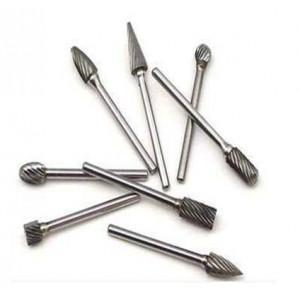

Lab Burs
Dental Lab Burs - Carbide and Polishing Burs for Dental Laboratories
In this section of the Orthazone online store, you’ll find a complete selection of dental lab burs for dental laboratory work. Here you can choose dental lab carbide and polishing burs for your lab or in-house clinic lab - from heavy reduction of frameworks to final polishing of dentures and ceramics. The category is structured so you can quickly find dental lab burs for sale without scrolling through dozens of irrelevant products. Many labs also combine these instruments with clinical rotary solutions from the Diamond Burs section when they need a unified approach chairside and in the lab.
The role of dental lab burs in the dental laboratory workflow
Laboratory burs are the core tools of the dental technician. They directly influence the fit of crowns and bridges, margin quality, denture base smoothness, and the final appearance of the restoration. Trying to use only clinical burs for all lab tasks is inefficient: the materials, volume of reduction, and operating mode in the lab are completely different.
Properly selected dental lab burs allow you to work faster, more accurately, and more predictably. With the right set, the technician can control shape, texture, and thickness without wasting time on rework. A well-balanced combination of carbide and polishing instruments in one kit gives you a stable workflow from rough shaping all the way to high-gloss finishing.
Main groups of dental lab burs at Orthazone
At Orthazone, lab instruments are divided into two key groups: lab carbide burs for powerful reduction and shaping, and dental lab polishing burs for smoothing and polishing. This structure makes it easier to choose the right instruments for a specific stage and material.
Lab carbide burs – powerful reduction and shaping
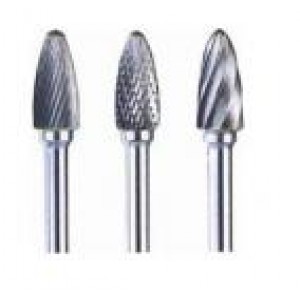
Lab carbide burs are used wherever you need confident material removal and precise control over form. Carbide burs for dental lab are used to contour and adjust frameworks, reduce metal, refine alloys, and work on stone and certain types of acrylic.
During crown and bridge fabrication, dental lab burs for crowns and bridges in the carbide group help you shape margins, adjust contact points, and develop anatomy. Specialized dental lab burs for metal and alloys are designed for work under higher loads and longer cutting cycles.
Dental lab polishing burs – finishing and polishing
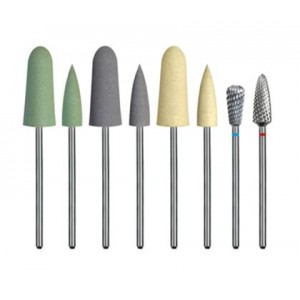
Once the basic form has been established, it is time for dental lab polishing burs. These polishing burs, wheels, and points manage the final stage – smoothing, finishing, and bringing the surface to a shine. Polishing burs for dental lab are selected with the material in mind: acrylic, composites, metals, or ceramics.
For removable dentures and temporaries, dental lab burs for dentures are key: they help smooth the base, refine borders, improve patient comfort, and enhance appearance. For ceramics and metal-ceramics, more delicate dental lab burs for ceramics are used to fine-tune margins, create texture, and prepare the surface for glazing and final polishing.
Working with acrylic, metal, ceramics, and models
Acrylic materials occupy a special place in lab work. For these tasks, technicians use acrylic trimming burs dental lab – burs optimized for trimming and shaping denture bases, adjusting borders, and refining temporary restorations. They ensure efficient material removal without excessive heat and without leaving deep, rough tracks.
For alloys and metal frameworks, dental lab burs for metal and alloys are the instruments of choice. They withstand high loads and allow you to contour frameworks, adjust supporting elements, and refine contact zones while maintaining cutting efficiency.
Ceramics and metal-ceramics require a different approach. Dental lab burs for ceramics work more delicately: they are used to correct the margin line, create micro-texture, and fine-tune anatomy before glazing and final polishing. Similar principles apply when working on models and stone – the key is matching grit and shape so you don’t over-stress the material or waste time on unnecessary corrections.
Dental lab carbide and polishing burs in one working kit
Efficient lab work follows a clear sequence: shaping – smoothing – polishing. A smart combination of lab carbide burs and dental lab polishing burs in a single, well-designed kit makes it easy to separate steps and avoid confusion.
First you use carbide carbide burs for dental lab for rough and intermediate shaping: metal and framework reduction, base contouring, and establishing the main form. Then you switch to softer polishing burs for dental lab, which remove marks from coarse instruments, smooth the surface, and prepare it for a high-gloss finish.
When dental lab carbide and polishing burs are selected from compatible systems, it becomes much easier to predict results. Instrument behavior is repeatable, and the time spent searching for “the right bur” drops significantly. At the clinical side of the workflow, many teams complement lab systems with chairside finishing solutions from Ortho Finishing Burs/Points, keeping the overall approach to finishing consistent from lab to operatory.
Dental lab burs for crowns and bridges, dentures, and beyond
For crowns and bridges, margin accuracy and edge quality are critical. Dental lab burs for crowns and bridges help you refine frameworks, adjust thickness, form smooth transitions, and correct contact points. Carbide burs are used during reduction and shaping, while polishing instruments manage the finishing stage on metal and ceramics.
When working with full and partial dentures, the focus shifts toward comfort and esthetics. Dental lab burs for dentures help shape the denture base, soften borders, refine surface relief, and relieve pressure points. Polishing instruments then create a smooth surface that is comfortable for soft tissues and easier to keep clean.
The same principles adapt easily to splints, provisionals, custom trays, and other lab work – the key is to build a set of dental lab burs around the most common tasks in your lab and document the sequence of instruments in your standard workflows.
Dental lab burs for sale and supply for labs and clinics
At Orthazone, you’ll find dental lab burs for sale in multiple formats: individual items for precise replenishment, material-specific sets for metal, acrylic, or ceramics, and curated kits for typical lab tasks. This is convenient for independent labs, clinics with in-house labs, and smaller offices running a mini lab.
The dental lab burs assortment is built around everyday lab needs: you can assemble a minimal starter kit or a broader range for multiple technicians and specialties. Larger labs benefit from standardized sets at each workstation – when everyone uses the same instruments, training is easier and workload can be redistributed more smoothly.
Buy dental lab burs online at Orthazone
Online ordering makes it fast and simple to select and purchase dental lab burs for specific tasks. In the catalog, you can filter instruments by material (metal, acrylic, ceramics), type (carbide or polishing), shape, and indication.
Another advantage of Orthazone is that you can order dental lab burs together with clinical burs, Bur Blocks, finishing systems, and related rotary instruments. Many customers, for example, combine lab burs with chairside finishing disks from the Diamond Econo Disks category, unifying their approach across lab and operatory. One shipment, fewer separate orders, and a consistent standard of instruments all along the workflow.
FAQ: choosing and using dental lab burs
How are lab carbide burs different from clinical carbide burs?
Lab carbide burs are designed for different loads and tasks: sustained work on metal, alloys, acrylics, and models. Their shapes and cutting geometry are optimized for lab workflows and longer contact time with the material. Clinical burs are typically not designed for these conditions and tend to lose cutting efficiency much faster.
Which dental lab polishing burs should I use for acrylic vs metal and ceramics?
For acrylic, it’s best to use softer dental lab polishing burs that smooth the denture base without overheating the material. For metal and ceramics, you’ll need stronger polishing systems with graded abrasiveness, targeting stages like initial smoothing, pre-finishing, and final high-gloss polish. Always select polishing burs for dental lab according to the specific material and the manufacturer’s recommendations.
How can I build a minimal set of dental lab burs for crowns and bridges?
A basic dental lab burs for crowns and bridges kit usually includes several types of carbide burs for reduction and framework shaping (for metal and alloys), plus polishing instruments for smoothing and finishing. You can then add specialized burs for margin refinement, interproximal adjustments, and occlusal anatomy, covering most day-to-day crown and bridge work.
Does it make sense to separate dental lab burs for dentures from those used for metal-ceramics?
Yes, this helps maintain order and reduces the risk of using the wrong instrument on the wrong material. Dental lab burs for dentures are optimized for acrylics and plastics, where controlled removal and temperature are critical. For metal-ceramics, you need different shapes and abrasiveness designed for alloys and ceramics. Separating these sets by indication makes work more predictable and saves lab resources over time.