

Implant Instruments
Dental Implant Instruments and Surgical Instrument Kits
The Implant Instruments category is dedicated to the tools used in modern dental implant surgery and related procedures. Here you will find a comprehensive selection of dental implant instruments for flap design, bone management, and implant placement, tailored to the needs of general dentists, oral surgeons, and implantology practices across the USA. Orthazone helps clinics standardize their implant instruments so every surgical room is ready for predictable implant treatment.
The role of implant instruments in implantology
High-quality implant surgical instruments are critical for precise osteotomy, atraumatic soft-tissue handling, and controlled implant placement. Well-designed professional implant instruments support accurate angulation, depth control, and protection of vital anatomical structures throughout surgery. They also help minimize trauma, reduce chairtime, and improve the stability of the surgical field.
Dental implant surgical instruments work in conjunction with burs and drills, implant systems, and restorative components. After osseointegration, restorative workflows often involve materials from categories such as Cements & Liners, Implant Cements, and esthetic solutions in Cosmetic & Restorative Dentistry, so the quality of surgery directly affects the long-term success of the prosthetic phase.
Main groups of implant instruments
Instruments for access and soft-tissue management
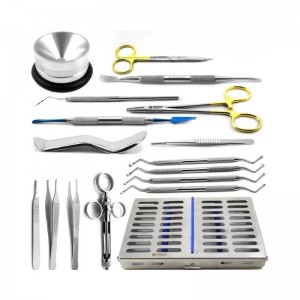
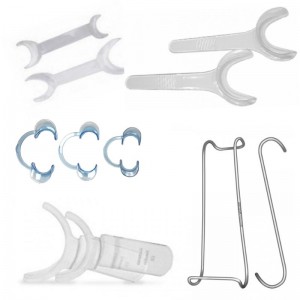
The first phase of implant surgery relies on implant surgical instruments for soft-tissue access and flap design. This group includes scalpels, periosteal elevators for implant surgery, tissue forceps, and retractors. Their role is to provide clear access, maintain visibility, and protect delicate tissues while preserving blood supply and allowing for tension-free closure.
Choosing the right implant instruments for implantology in this phase improves flap stability, reduces postoperative discomfort, and sets the stage for optimal healing around the implant site and future prosthetic components.
Instruments for bone management and implant site preparation
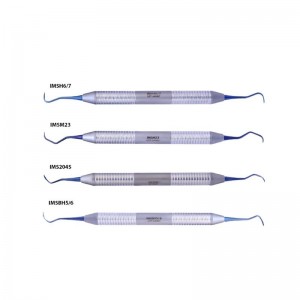
Once access is achieved, the focus shifts to bone management. In addition to drills from systems often supported by Dental Burs, surgeons may use bone chisels, bone spreaders, bone curettes, and implant depth gauges. These dental implant instruments assist with ridge contouring, collecting autogenous bone chips, widening narrow ridges, and verifying osteotomy depth.
This subset of implant surgical instruments is crucial for adapting bone volume and morphology to the planned implant dimensions, especially in cases with thin ridges or minor defects where controlled bone manipulation can avoid more extensive grafting procedures.
Instruments for implant placement and component fixation
For the actual implant insertion, implant instruments for implantology include implant drivers, torque wrenches, and screwdrivers compatible with specific implant platforms. These tools allow clinicians to seat implants at the planned depth and angulation, then tighten abutment screws and prosthetic components with the correct torque.
Reliable drivers and calibrated torque wrenches are central to many implant surgical instrument set configurations, helping to ensure stable mechanical connections, minimize micro-movement, and reduce the risk of screw loosening over time.
Implant instrument sets and surgical kits
An organized implant surgical instrument set combines access, bone, and placement tools into a single tray. A basic dental implant instrument set for general practice may include essential soft-tissue instruments, bone management tools, and drivers for a specific implant system. In contrast, a comprehensive implant surgery instruments kit for advanced implantology may add sinus-lift instruments, additional bone chisels and spreaders, and more specialized soft-tissue tools.
These structured implant instruments kit solutions help standardize workflows, reduce setup time, and ensure that all required instruments are available for each step of the procedure.
Users and applications: general dentists, surgeons, and clinics
Implant instruments for dentists in general practice
Implant instruments for dentists in general practice are typically focused on straightforward single-tooth or small-span implant cases. A streamlined kit may include basic flap instruments, a limited selection of bone tools, and the drivers and torque wrench required for the chosen implant system.
With a well-chosen set of implant instruments, general dentists can confidently manage simpler implant procedures and then collaborate with specialists for cases that require advanced bone augmentation, complex sinus work, or extensive reconstruction.
Implant instruments for oral surgeons and implantology centers
Implant instruments for oral surgeons and dedicated implantology centers cover a broader spectrum of surgical tasks. In addition to standard access and placement tools, these setups may include instruments for sinus elevation, ridge splitting, block grafting, and complex bone reshaping.
For high-volume implant practices, a larger inventory of professional implant instruments is often required to support multiple surgeries per day, maintain efficiency in the operating room, and handle complex anatomical situations safely.
Implant instruments for dental clinics and group practices
In multi-operatory environments, standardized implant instruments for dental clinics are essential. Clinics often maintain dedicated implant surgery trays with consistent layouts, so any surgeon or implant provider can work efficiently in any room.
When the same configuration of dental implant surgical instruments is used across all operatories, training becomes easier, and surgical assistants can prepare rooms quickly without guessing which instruments are needed for a given procedure.
How to choose implant instruments
Material quality, ergonomics, and precision
When selecting professional implant instruments, it is important to consider the quality of the steel, surface finish, and resistance to corrosion. High-grade alloys and precise machining help maintain sharp edges, smooth surfaces, and reliable mechanical interfaces over many sterilization cycles.
Ergonomics is equally important: well-balanced handles and textured grips improve control during delicate maneuvers and long procedures. Precise interfaces between drivers, torque wrenches, and prosthetic components support secure engagement and reduce the risk of slipping or stripping screw heads.
Preconfigured sets versus custom configurations
For many practices, purchasing a preconfigured implant surgical instrument set or dental implant instrument set is the most efficient way to start. These sets are designed around typical implant workflows and help ensure that key instruments are not overlooked.
As protocols evolve, clinics may refine their setups by adding or substituting individual tools. Customizing an implant surgery instruments kit allows providers to match instruments to a specific implant system, surgical philosophy, and case mix, while still maintaining a clear and repeatable layout.
Sterilization, lifespan, and inventory management
Frequent sterilization and intensive use place significant demands on implant surgical instruments. Cutting edges can dull, hinges may loosen, and torque wrenches and drivers can wear over time. Regular inspection and planned replacement of high-stress instruments are essential for patient safety and procedural reliability.
Ordering implant instruments online through Orthazone helps clinics track which sets are in use, identify when additional kits are needed, and schedule replacements for critical tools. Planning ahead to buy implant instruments reduces the risk of last-minute shortages and keeps surgical rooms consistently prepared.
Implant Instruments at Orthazone
Assortment and catalog navigation
The Implant Instruments section at Orthazone offers a targeted range of dental implant instruments for different levels of implant practice. You will find:
- core implant instruments for dentists performing straightforward implant procedures,
- expanded implant surgical instruments and sets for advanced implantology and oral surgery,
- individual instruments for replacing worn tools or customizing existing surgical trays.
Filter options make it easy to search by procedure type (standard placement, bone augmentation, sinus surgery), instrument category, or compatibility with specific implant systems, helping clinics select the right implant instruments for implantology in their environment.
Building standardized implant surgical trays
Using Orthazone, practices can design standardized implant trays that group instruments into logical blocks: soft-tissue access, bone management, and implant placement. These configurations support efficient use of implant instruments for dental clinics and make it easier for surgeons and assistants to anticipate each step of the procedure.
Standardization also simplifies coordination with restorative providers. After surgery, restorative work with products from Implant Cements and esthetic materials in Cosmetic & Restorative Dentistry is easier when implant placement and component torque have been performed in a consistent, controlled manner.
Online ordering and shipping across the USA
Orthazone provides a convenient way to buy implant instruments for solo implant providers, multi-doctor clinics, and implantology centers. By sourcing implant instruments online from a single platform, purchasing teams can standardize product lines, simplify reordering, and support consistent surgical setups across multiple operatories and locations.
Fast shipping throughout the United States helps keep implant trays fully equipped, minimizing downtime and supporting a steady schedule of implant surgeries.
Practical use cases for Implant Instruments
Standard single-implant placement
In a routine single-implant case, the surgeon uses soft-tissue implant instruments to design and elevate the flap, bone instruments to refine the ridge as needed, and drivers and torque wrenches to insert and secure the implant. A well-organized implant surgical instrument set ensures that each tool is available at the moment it is needed, reducing interruptions and enhancing surgical flow.
Implant placement with bone contouring or augmentation
In cases with atrophic ridges or irregular bone contours, an expanded selection of implant surgical instruments - including bone chisels, spreaders, and other bone-modifying tools - allows surgeons to manage bone volume and shape more precisely. These professional implant instruments support safe correction of defects and preparation of a stable foundation for implants.
Implant surgery in multi-operatory dental clinics
In a busy clinic where several surgeons or implant providers share the same facilities, standardized implant instruments for dental clinics are essential. Identically assembled implant surgery trays allow clinicians to move between rooms without adjusting to different setups, and assistants can turn over operatories quickly between cases. Having multiple copies of the same implant instruments kit ensures that sterilization schedules and surgery calendars remain aligned.
FAQ
What is typically included in a basic implant surgical instrument set for a clinic?
A basic implant surgical instrument set usually includes soft-tissue instruments (scalpels, periosteal elevators, retractors), bone management tools (such as chisels or curettes), and drivers and torque instruments needed to place implants and tighten abutment screws. The exact configuration depends on the implant system and clinical protocols.
How do dental implant instruments for general practice differ from those for oral surgeons?
For general practice, implant instruments for dentists focus on straightforward implant placement with limited bone modification. Implant instruments for oral surgeons typically include a wider range of tools for complex bone shaping, grafting, sinus elevation, and advanced reconstructive procedures.
How often should implant instruments be inspected and replaced?
Inspection should be routine. Cutting instruments and high-stress tools like torque wrenches and drivers should be checked regularly for wear, dullness, or damage. Replacement intervals depend on usage and sterilization protocols, but critical implant surgical instruments should be replaced proactively to prevent intraoperative problems.
Can I standardize implant instrument kits for multiple clinics and order them online?
Yes. With Orthazone, you can define standard implant trays and buy implant instruments online to replicate those setups across multiple clinics or operating rooms. Standardization simplifies staff training, improves consistency in implant surgery workflows, and makes centralized purchasing more efficient.



Supplier: Ortho Technology