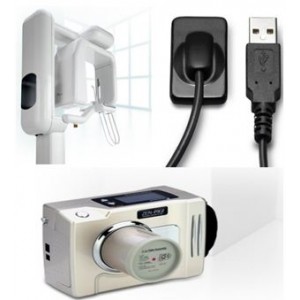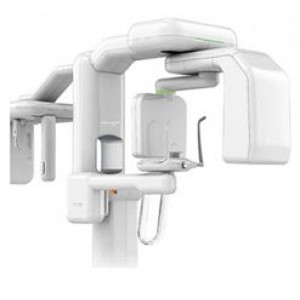

Xray Units (2D Pan, Ceph, 3D-Catscan)
Dental Panoramic, Cephalometric & CBCT X-Ray Machines
Compare 2D & 3D Dental X-Ray Systems for Your Practice
Choosing between dental X-ray machines is not simply a question of selecting the system with the most features. The right equipment depends on the type of images your practice takes every day, the cases you treat, your patient volume, available space, workflow, and whether three-dimensional imaging is regularly needed.
OrthAzone offers extraoral imaging systems in two main categories: 2D panoramic and cephalometric equipment for routine dental and orthodontic records, and 3D systems for practices that require volumetric imaging for more advanced diagnostic applications.
This category is designed to help you understand the difference between the two before comparing individual systems.
Two Main Types of Extraoral Dental X-Ray Systems
Modern extraoral dental X-ray systems can provide very different levels of diagnostic information. A practice performing routine orthodontic records may have very different equipment requirements from an office that regularly performs implant planning, surgical procedures, or complex three-dimensional assessments.
The two primary options available in this section are:
- 2D Panoramic & Cephalometric X-Ray Systems for practices that rely primarily on panoramic and orthodontic cephalometric records.
- 3D CT / CBCT X-Ray Systems for practices that need three-dimensional anatomical information and more advanced imaging capabilities.
Both approaches have an important place in modern dentistry. The better choice is the one that matches the procedures and imaging workflow of your particular office.
When Does a 2D X-Ray System Make Sense?
2D dental imaging remains an important part of everyday diagnostic and orthodontic workflows. Panoramic systems provide a broad view of the teeth and jaws, while systems with cephalometric capabilities can also produce standardized images commonly used for orthodontic analysis and treatment planning.
A 2D system may be a practical choice when your practice:
- Regularly performs panoramic examinations.
- Needs cephalometric records for orthodontic treatment.
- Is replacing an older panoramic or cephalometric unit.
- Is equipping a new orthodontic office or additional location.
- Does not require three-dimensional imaging for the majority of routine patients.
- Wants a straightforward extraoral imaging workflow without purchasing capabilities that may rarely be used.
Orthodontic practices in particular may find that a dedicated 2D Pan/Ceph system covers a large portion of their routine imaging needs.
Visit our 2D Pan-Cephalogram X-Ray category for a detailed guide to panoramic-only and Pan/Ceph systems, pricing factors, and the features to compare before purchasing.
When Should a Practice Consider 3D Imaging?
3D dental imaging systems create volumetric datasets that allow clinicians to evaluate anatomical structures from multiple planes and viewing angles. This can provide additional diagnostic information when a conventional two-dimensional image does not fully answer the clinical question.
A 3D system may be worth considering for practices that regularly perform or evaluate:
- Implant treatment planning.
- Impacted or unerupted teeth.
- Complex orthodontic cases.
- Selected endodontic cases.
- Oral surgical procedures.
- Craniofacial or airway assessments when clinically appropriate.
- Cases where three-dimensional anatomical relationships are important for treatment planning.
The need for 3D imaging should be based on clinical workflow rather than simply choosing the most advanced equipment available. A practice that uses three-dimensional imaging every day may benefit significantly from having the capability in-house, while another office may not need the same level of equipment.
Visit our 3D CT / CBCT X-Ray Units category to compare 3D systems, fields of view, pricing considerations, and other factors that matter when selecting this type of equipment.
2D vs. 3D Dental Imaging: Which Is Right for Your Office?
The choice between 2D and 3D is best made by starting with the examinations your practice performs most frequently.
| Practice Need | 2D Pan/Ceph | 3D Imaging |
|---|---|---|
| Routine panoramic records | Excellent fit | Available on many systems |
| Cephalometric orthodontic records | Excellent fit | Depends on configuration |
| 3D anatomical visualization | No | Yes |
| Routine orthodontic workflow | Often sufficient | Useful when 3D information is required |
| Implant and complex surgical planning | Limited | Strong fit |
| Second or satellite orthodontic office | Often practical | Useful when 3D imaging is regularly needed |
A more advanced system is not automatically a better investment. If most patients only require routine panoramic and cephalometric records, a 2D system may provide a simpler and more economical workflow. If 3D imaging is regularly used for diagnosis and treatment planning, investing in a 3D system may make more sense over the long term.
What to Compare Before Buying a Dental X-Ray Machine
When evaluating a dental X-ray machine, image type is only the first consideration. The way the system fits into your office and daily workflow can have just as much impact on the ownership experience.
Important factors include:
- Clinical applications: Start with the types of images and cases your practice handles most frequently.
- Imaging modes: Determine whether panoramic, cephalometric, 3D, or multiple imaging modes are required.
- Image quality and consistency: Consider positioning, image acquisition, and how easily trained staff can obtain usable diagnostic images.
- Patient workflow: Evaluate positioning, scan time, accessibility, and how the system fits into a typical appointment.
- Software: Review image acquisition, viewing, storage, export, measurement tools, and compatibility with your existing workflow.
- Office space: Confirm equipment dimensions and room requirements before making a purchase.
- Installation: Determine what site preparation and professional installation are required.
- Training: Consider how easily doctors and staff can learn and operate the equipment consistently.
- Warranty and service: Understand who provides support, replacement parts, calibration, maintenance, and troubleshooting after installation.
Dental X-Ray Equipment for New Offices, Replacements & Additional Locations
The reason for purchasing a new X-ray system can significantly affect which configuration makes the most sense.
Opening a New Practice
A new dental or orthodontic office must balance imaging capabilities with startup budget, available space, expected patient volume, and future growth. Buying more technology than the practice expects to use can increase costs unnecessarily, while choosing a system that is too limited may lead to another equipment investment sooner than expected.
Replacing an Older X-Ray System
For an established practice, the priorities may be different. Workflow continuity, image quality, software compatibility, installation timing, service, and staff training may matter more than simply adding new features.
Equipping a Second or Satellite Office
Multi-location practices do not necessarily need identical imaging equipment in every location. A primary office may require more advanced capabilities, while a satellite location may only need equipment that supports the examinations performed there every day.
How Much Should You Budget for a Dental X-Ray System?
The cost of a dental X-ray system can vary substantially depending on imaging capabilities, system configuration, software, hardware, installation, training, and warranty coverage.
When evaluating dental X-ray machine cost, compare the complete installed package rather than only the advertised price of the equipment. Depending on the system, additional costs may include:
- Shipping and professional installation.
- Computer hardware and monitors.
- Imaging or treatment-planning software.
- Staff training.
- Warranty or extended service coverage.
- Room preparation and electrical work.
- Ongoing maintenance and technical service.
The detailed cost considerations are different for 2D and 3D systems. For more specific information, visit the dedicated 2D Pan/Ceph or 3D CT / CBCT categories.
Why Buy Dental Imaging Systems from OrthAzone?
Major imaging equipment is a long-term purchase, so the decision should include more than the technical specifications listed on a product page. Installation requirements, software, training, warranty coverage, and access to support all affect how smoothly a system fits into the practice.
OrthAzone helps dental and orthodontic offices compare available imaging options based on clinical needs, workflow, office requirements, and budget. Depending on the equipment and purchase package, available services may include installation, training, warranty coverage, and technical support.
The goal is not simply to choose the system with the largest feature list, but to select equipment that provides the imaging capabilities your practice will actually use.
2D & 3D Dental X-Ray System FAQs
What is the main difference between 2D and 3D dental X-ray systems?
2D systems produce flat panoramic or cephalometric images, while 3D systems create volumetric datasets that can be examined from multiple planes and viewing angles. The appropriate system depends on the diagnostic needs of the practice.
Does every orthodontic practice need 3D imaging?
No. Many orthodontic practices continue to use panoramic and cephalometric imaging for routine records. Three-dimensional imaging may be valuable when additional anatomical information is needed for selected cases.
Can a 3D system also provide 2D images?
Many 3D dental imaging platforms offer additional imaging modes, but capabilities vary by model and configuration. Review the specifications of the individual system before purchasing.
Is a 2D system suitable for a second orthodontic office?
It can be. If routine panoramic and cephalometric records make up most of the imaging performed at a satellite location, a 2D system may provide the necessary capabilities without duplicating more advanced equipment available at a primary office.
What should I compare before buying a dental X-ray system?
Compare imaging capabilities, software, patient positioning, workflow, office requirements, installation, staff training, warranty coverage, technical support, and the total cost of putting the system into daily operation.
Choose the Right 2D or 3D X-Ray System
If your practice primarily needs panoramic and cephalometric records, explore our 2D Pan-Cephalogram X-Ray Systems. If three-dimensional imaging is a regular part of your diagnostic workflow, compare the equipment in our 3D CT / CBCT X-Ray Systems category.
For portable units, imaging supplies, or other X-ray products, return to the main X-Ray Imaging section.
-300x300.JPG)