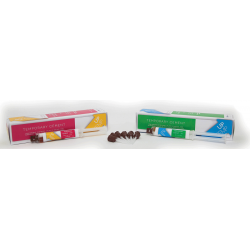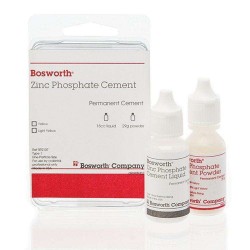

Temporary Cements
Temporary Dental Cements for Crowns and Bridges
The Temporary Cements category brings together temporary luting materials for crowns, bridges, and other fixed prosthetic restorations. Here you’ll find key temporary cements for diagnostics, try-in stages, and interim prostheses, as well as more specialized temporary dental cements for situations where you need both reliable retention and safe removal. This section is designed for clinicians who rely on a predictable temporary dental cement as part of their overall treatment workflow, including later transition to permanent materials from the Permanent Cements section and implant-specific solutions from Implant Cements.
The role of temporary cements in prosthodontics and implantology
Temporary fixation is not a “secondary step” but a full-fledged part of the treatment protocol. Properly selected temporary cements let you safely test shape, esthetics, and occlusion, evaluate patient comfort, and make adjustments to the restoration if needed before final cementation.
Clinicians need temporary dental cements that provide adequate retention but still allow crowns or bridges to be removed without damaging the tooth, abutment, or restoration. In implantology, a temporary cement for dentistry is often used to lute provisional implant crowns before transitioning to definitive solutions from the Permanent Cements or Implant Cements categories.
Main types of temporary dental cements
Temporary crown cement for single crowns
Temporary crown cement is used to lute provisional single crowns – both on natural teeth and, when indicated, on implants. These materials must combine basic retentive strength, reasonable sealing, and easy decementation.
For straightforward cases, universal temporary dental crown cement products are suitable and can be used at multiple stages: after preparation, during try-in of shape and shade, and before final cementation with a permanent material. When a complex definitive restoration is planned, a temporary phase based on a reliable temporary dental cement helps identify potential issues in advance and adjust the treatment plan.
Temporary bridge cement for bridges and provisional prostheses
For temporary bridges and long-span restorations, clinicians typically use a dedicated temporary bridge cement or a more specialized temporary dental bridge cement engineered for larger surface areas and higher load. The goal is to ensure the restoration remains stable in everyday function, while still being removable in the operatory.
In clinical workflows, a versatile temporary cement for crowns and bridges lets you “test-drive” occlusion, hygiene, soft-tissue response, and overall function of provisional prostheses before switching to permanent luting agents from the Permanent Cements section or to implant-focused options from Implant Cements.
How to choose a temporary cement for crowns and bridges for your practice
When you choose a temporary cement for crowns and bridges, it helps to answer a few questions:
- How often do you plan to remove temporary restorations?
- What is the expected duration of the temporary phase (days, weeks, months)?
- Are you working mainly with single crowns, or with bridges and long-span prostheses?
- Do you lute temporaries on implants, and how do you plan to transition to permanent cements?
If frequent decementation is expected, it’s better to choose “softer” temporary dental cements that prioritize ease of removal. For longer-term provisional phases, more retentive temporary cements may be appropriate, provided they still allow safe removal. Many clinicians use different types of temporary dental cement for single crowns, bridges, and implant temporaries, building a custom workflow that also includes products from the Temporary Filling Materials section for interim protection of prepared teeth.
Temporary dental cements USA and ordering through Orthazone
The Temporary Cements section at Orthazone allows clinics and private offices across the country to build a clear set of temporary dental cements USA tailored to their protocols. Instead of sourcing from multiple vendors, you can Buy temporary dental cement online in one catalog, while adding complementary materials from Permanent Cements, Implant Cements, and Temporary Filling Materials in the same order.
Online ordering simplifies inventory management: you can track the temporary cements you use, quickly repeat previous purchases, plan stock replenishment, and receive all temporary dental cements in a single shipment. This saves time, reduces administrative workload, and helps maintain a stable, standardized temporary cementation protocol in your clinic.
FAQ about temporary cements
How do temporary dental cements differ from permanent cements?
Temporary dental cements are designed for provisional fixation: they provide enough retention to keep the restoration in place, but still allow easy removal without excessive force or damage. Permanent cements, in contrast, are engineered for long-term fixation and significantly higher retentive strength. That’s why provisional stages always rely on temporary cements, not permanent materials.
Which temporary crown cement should I choose for a single crown?
The choice of temporary crown cement depends on the length of the provisional phase and how often you expect to remove the crown. For short-term use, more easily removable temporary dental crown cement options are usually sufficient; for longer-term temporization, materials with higher retention are preferable. It’s important that your chosen temporary dental cement is compatible with your final cement protocol and does not interfere with subsequent permanent luting.
Do I need a separate temporary bridge cement for bridges?
In most cases, yes. A dedicated temporary bridge cement or temporary dental bridge cement is recommended because bridges and long-span restorations are subjected to higher functional loads than single crowns. These materials provide more stable retention while still allowing safe, controlled decementation.
Can the same temporary cement for dentistry be used on both teeth and implant crowns?
Some temporary cements are suitable for both tooth-borne and implant-borne restorations, but it is essential to follow manufacturer recommendations. Implant restorations often require specific properties for retention and excess removal, so many clinicians prefer dedicated implant solutions, combining a general temporary cement for dentistry with products from the Implant Cements section and then transitioning to Permanent Cements for definitive fixation.






Supplier: Reliance Orthodontic Products
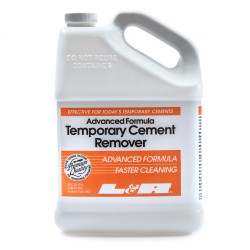
Supplier: L&R Manufacturing
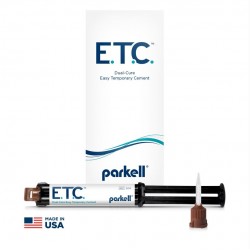
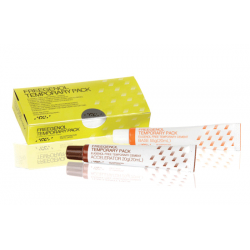
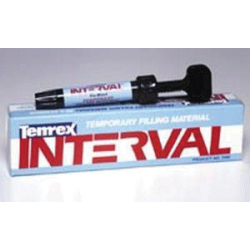
Supplier: Keystone Ind.

Supplier: Keystone Ind.