
Glass Ionomer Cements
Glass Ionomer Cements for Restorations and Luting
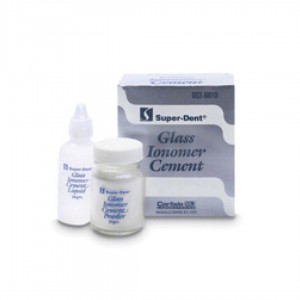
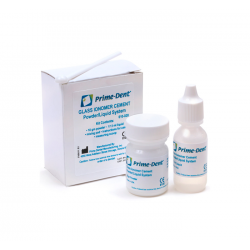
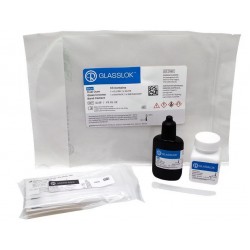
In the Glass Ionomer Cements section, you’ll find glass ionomer materials for restorations, luting, and bases. This category includes core glass ionomer cements - from classic glass ionomer dental cement to hybrid systems that help you work in high–caries-risk cases, challenging moisture conditions, and cervical defects. It is designed for clinicians who use glass ionomer cement for dentistry every day in restorative, pediatric, and prosthetic dentistry.
The role of glass ionomer cements in modern dentistry
Glass ionomer cements are valued for their combination of properties: chemical adhesion to dentin and enamel, fluoride release, and good biocompatibility. This is why glass ionomer cements remain relevant even with the growth of composites and other advanced materials.
In pediatric dentistry, for cervical lesions, root-surface restorations, and high–caries-risk patients, a glass ionomer cement for dentistry is often the material of choice. It allows you to restore tooth structure while providing an additional preventive effect through fluoride release.
Main types of glass ionomer dental cement
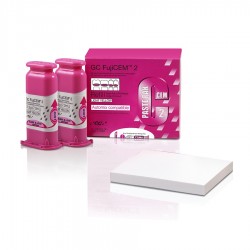
Glass ionomer luting cement for fixation
Glass ionomer luting cement is used for cementing crowns, bridges, inlays, and sometimes orthodontic bands and other components. Thanks to its chemical bond to tooth structure and fluoride release, this type of glass ionomer dental cement is especially helpful when enamel and dentin are compromised and the risk of secondary caries is high.
In many protocols, gic cement is chosen for luting in cervical areas, on root surfaces, and in hard-to-reach regions where ideal dryness is difficult to achieve. When you need alternatives for temporary fixation, you can complement your protocol with materials from Temporary Cements. For long-term definitive luting, you can rely on options in Permanent Cements and specialized solutions from Implant Cements.
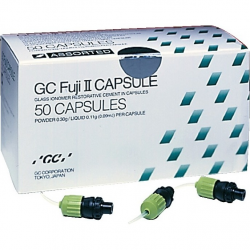
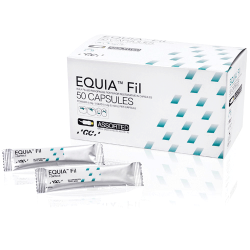
Glass ionomer restorative cement for direct restorations
Glass ionomer restorative cement is traditionally used for cervical lesions, root-surface restorations, pediatric cases, and situations where you need to combine repair of tooth structure with caries-preventive action. Glass ionomer performs well in areas where it is hard to achieve perfect isolation and where a composite might be too demanding in terms of dryness.
Very often, glass ionomer cements are used as part of the sandwich technique: the glass ionomer layer provides a base and fluoride release, while composite is placed on top for improved esthetics and wear resistance. When a temporary protective stage is needed before final restoration, you can combine these protocols with materials from the Temporary Filling Materials category.
Resin modified glass ionomer and hybrid solutions
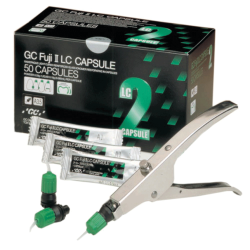
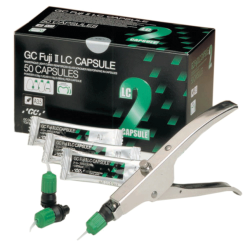
Resin modified glass ionomer combines the properties of classic glass ionomers with resin-based technology. On one hand, you retain fluoride release and chemical adhesion to tooth tissues; on the other, you gain improved mechanical strength and easier handling thanks to light curing.
Hybrid glass ionomer dental cement is especially useful when you need a stronger margin, better edge stability, or a faster, more convenient working time in less-than-ideal moisture control. In such cases, resin modified glass ionomer can serve as a stand-alone restorative material or as a base under composite, allowing you to adapt the protocol to the individual clinical situation.
Fuji cement dental and other popular glass ionomer cements
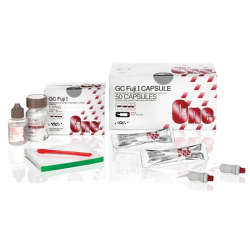
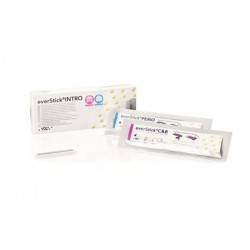
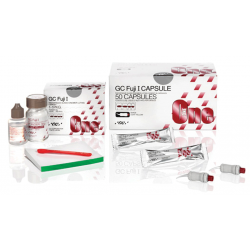
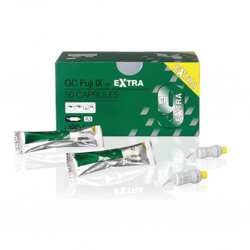
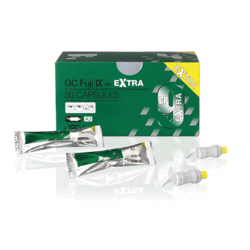
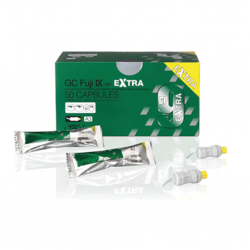
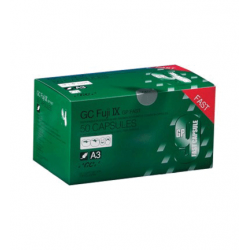
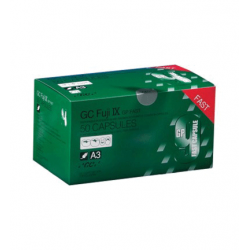
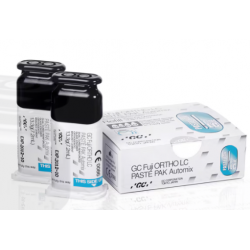
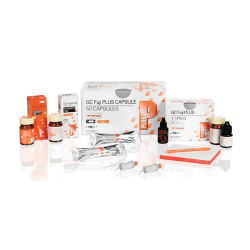
Among the most widely recognized lines are fuji cement dental systems, well known to many clinics. Many practitioners prefer solutions like fuji plus and other glass ionomer products from this family due to their predictable behavior, clear clinical protocols, and strong evidence base.
For the practice, this means that glass ionomer cements become part of a standardized protocol rather than one-off purchases: one type for luting, another for restorations, and a third for bases and build-ups. Using familiar systems such as fuji cement dental and fuji plus makes staff training easier and simplifies transitions between different offices or departments.
How to choose a glass ionomer cement for dentistry for your protocols
When selecting a glass ionomer cement for dentistry, it makes sense to start from your clinical goals:
- If you need a luting material, look for a dedicated glass ionomer luting cement, supported where appropriate by temporary solutions and definitive options from the Temporary Cements, Permanent Cements, and Implant Cements ranges.
- If you need materials for direct restorations, especially in the cervical zone, glass ionomer restorative cement and hybrid resin modified glass ionomer products are good candidates.
- Consider the patient’s caries risk and how important a strong fluoride-releasing effect is in your case.
- Account for existing clinic protocols and which materials can be integrated with minimal disruption to your workflows.
A practical approach is to choose one glass ionomer luting cement for fixation and one or two glass ionomer restorative cement products (including hybrid systems) for restorations and bases. This gives you a clear, repeatable way to work with glass ionomers, which you can supplement when needed with temporary materials from the Temporary Filling Materials section, depending on the clinical situation.
FAQ about glass ionomer cements
How do glass ionomer cements differ from composite materials, and when should I choose them?
Glass ionomer cements bond chemically to dentin and enamel, release fluoride, and tolerate minor moisture variation better than classic composites. They are especially appropriate for high–caries-risk patients, cervical lesions, root-surface restorations, pediatric dentistry, and situations where fluoride release and biocompatibility are more critical than maximum esthetics.
What is the difference between glass ionomer luting cement and glass ionomer restorative cement?
Glass ionomer luting cement is designed for luting crowns, bridges, inlays, and other indirect restorations – it is a gic cement optimized for thin-film thickness and high adhesion. Glass ionomer restorative cement is intended for bulk placement in cavities, forming restorations and bases. Both are types of glass ionomer dental cement, but they have different indications and performance characteristics.
Why use resin modified glass ionomer if classic glass ionomer exists?
Resin modified glass ionomer combines the benefits of traditional glass ionomer (fluoride release, chemical bonding) with enhanced strength and light-curing convenience. It is especially useful when you need more durable margins, want to shorten chair time, or must work in less-than-ideal isolation conditions. In such cases, a hybrid glass ionomer dental cement can deliver more predictable results than a classic GIC alone.
When does it make sense to use fuji cement dental (for example, fuji plus) in daily practice?
Using fuji cement dental systems, including fuji plus, is a good choice when a clinic wants to rely on well-studied glass ionomer cements with clear protocols and stable outcomes. This is especially helpful when standardizing treatment across multiple providers, working in group practices, and treating many high–caries-risk patients, where a glass ionomer glass ionomer cement for dentistry can address both restorative and preventive needs at the same time.