
Lab Instruments
Dental Lab Instruments and Laboratory Hand Instruments
The Lab Instruments category focuses on the tools used every day in dental laboratories and in-office lab areas. Here you’ll find core dental lab instruments and tools for building models, waxing, trimming, and finishing prosthetic and restorative work. Orthazone supports dental labs and clinics across the USA with reliable dental laboratory instruments that fit into real-world workflows for crowns, bridges, dentures, and more.
The role of dental lab instruments in the dental laboratory
High-quality dental lab instruments are essential for producing accurate crowns, bridges, veneers, removable prostheses, and other restorations. Precision dental laboratory instruments help technicians control contours, margins, contacts, and occlusion before the case ever reaches the chair. When dental lab hand instruments are sharp, comfortable, and predictable, technicians can consistently deliver work that seats smoothly and requires minimal adjustment at the clinical appointment.
Laboratory output directly affects how clinicians use restorative materials from categories such as Cosmetic & Restorative Dentistry and luting materials in Cements & Liners. Well-designed dental lab equipment and instruments help ensure that the restorative phase in the operatory is efficient and predictable.
Main groups of dental lab instruments
Core dental lab hand instruments
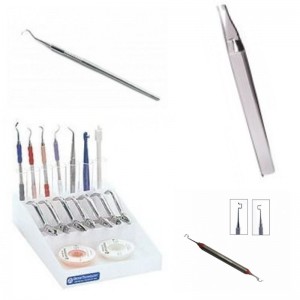
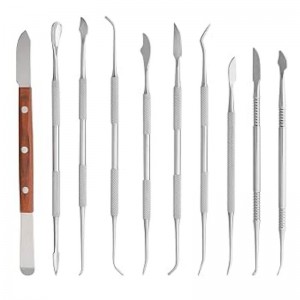
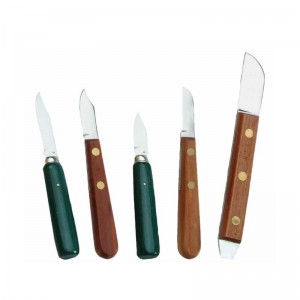
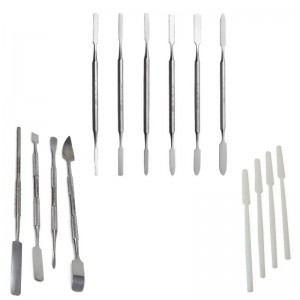
Day-to-day work in the lab is built around a set of core dental lab hand instruments. This includes spatulas for mixing and applying materials, wax knives for cut-back and build-up, plaster knives for trimming models, and carvers for detailed anatomy. These dental laboratory hand instruments are used across nearly every case, regardless of whether the final restoration is a single crown, a multi-unit bridge, or a removable prosthesis.
Because they are used continuously, these basic tools must hold their edge and withstand frequent contact with gypsum, waxes, acrylics, and abrasives. Reliable dental lab instruments contribute directly to workflow speed and the quality of the final restorations.
Instruments for wax-ups and contouring
Accurate wax-ups are the foundation of many restorative and prosthetic cases. In this area, dental lab instruments and tools include wax spatulas, specialty wax knives, contouring instruments, and fine carvers. These instruments are central to dental lab instruments for crown and bridge, where technicians sculpt functional and esthetic anatomy that will later be translated into ceramic, metal, or hybrid materials.
Wax-ups also play a key role in diagnostic and esthetic planning, guiding clinical decisions on tooth preparation and material selection using products from Cosmetic & Restorative Dentistry. Consistent, fine-tipped dental laboratory instruments help technicians shape predictable, repeatable designs.
Instruments for model work and base preparation
Model accuracy underpins every prosthetic solution. Tools in this group of dental lab equipment and instruments include plaster knives, instruments used around model trimmers, and auxiliary tools for trimming, marking, and segmenting models. Technicians depend on these instruments to refine margins, adjust dies, and prepare working models that accurately reflect clinical conditions.
By using appropriate dental lab instruments for model work, labs can reduce errors in marginal fit, occlusion, and proximal contacts leading to smoother cementation appointments and fewer remakes.
Specialized instruments for prosthetic work
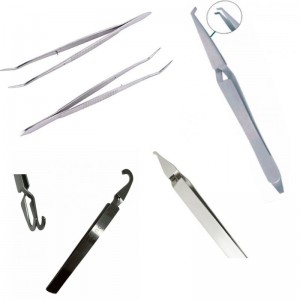
Dental prosthetic lab instruments support the fabrication and adjustment of removable partial and complete dentures. This group includes tools for arranging teeth in wax, refining acrylic bases, adjusting clasps, and finishing borders and intaglio surfaces. These instruments are at the core of dental lab instruments for dentures, where comfort, retention, and esthetics come together.
Dedicated instruments for prosthetic work enable technicians to manage different acrylics, resins, and framework designs, complementing clinical workflows that may use implant and restorative materials from related Orthazone categories.
Who uses dental lab instruments?
Dental lab instruments for technicians
Dental lab instruments for technicians are designed for intensive, repetitive use. Full-time technicians spend many hours each day holding the same tools, performing precise movements on a variety of materials. For them, consistent instrument quality, balance, and tactile feedback are crucial poorly designed tools can lead to fatigue, reduced accuracy, and even long-term ergonomic issues.
Investing in durable, well-crafted professional dental lab instruments supports both productivity and technician health in commercial and in-house labs.
Dental lab instruments for dental clinics
Many dental offices maintain a small “chairside lab” or in-house work area. In these settings, dental lab instruments for dental clinics typically include a more compact set of tools for quick adjustments: trimming temporary crowns and bridges, adjusting removable prostheses, or modifying occlusal guards.
Even in a limited space, the right dental lab hand instruments help clinicians and assistants efficiently adapt restorations fabricated using materials from Cosmetic & Restorative Dentistry or cemented with products from Cements & Liners.
Dedicated sets for crowns/bridges and dentures
Many labs separate dental lab instruments for crown and bridge from those used for removable prosthetics. Fixed cases often center around fine wax and contouring instruments, delicate carvers, and tools optimized for margin and contact work. In contrast, dental lab instruments for dentures focus more on bulk acrylic handling, clasp adjustment, and border refinement.
Organizing instruments into distinct sets for fixed and removable work helps keep benches uncluttered and ensures that each zone is equipped with the most appropriate dental prosthetic lab instruments for its tasks.
How to choose dental lab instruments
Material quality and precision
When selecting professional dental lab instruments, material quality and craftsmanship are key. Instruments must resist corrosion from contact with water, gypsum, and chemicals, while retaining sharp edges and fine tips through repeated sharpening and use. Smooth finishes and precise joints make instruments easier to clean and more comfortable to hold.
Consistent, predictable dental laboratory instruments help technicians maintain accuracy case after case, which is especially important for demanding esthetic and implant-supported restorations.
Instrument sets versus individual selection
For new labs or clinics expanding into lab work, starting with a curated dental lab instruments set or dental lab instruments kit can be the most efficient route. These sets typically include the core tools needed for everyday tasks in crown and bridge or denture work, providing a solid baseline for most cases.
As workflows evolve, many teams refine their armamentarium by adding or replacing individual tools. Building on a foundational dental lab instruments kit, experienced technicians often develop their own preferred combinations of spatulas, knives, and carvers tailored to specific materials and techniques.
Ergonomics, safety, and system compatibility
Comfortable handles, appropriate instrument weight, and well-balanced designs are critical in high-volume environments. Ergonomic dental lab hand instruments reduce strain and help technicians maintain control during fine detailing, wax carving, and model adjustments.
Compatibility with existing dental lab equipment and instruments is also important: instrument length, handle shape, and storage format should fit established setups, cassettes, and trays. A coherent system makes it easier to keep benches organized, instruments protected, and workflows efficient.
Lab Instruments at Orthazone
Assortment and catalog navigation
The Lab Instruments section at Orthazone offers a focused selection of tools for both standalone labs and in-office lab spaces. You will find:
- core dental lab hand instruments for model work, wax-ups, and finishing,
- specialized dental prosthetic lab instruments for removable partial and complete dentures,
- dental lab instruments for crown and bridge applications,
- preconfigured dental lab instruments set and kit options for different lab workflows.
Catalog filters help you sort by instrument type, intended use (crown & bridge, dentures, general lab), handle style, and other attributes, making it easier to configure the right mix of dental lab instruments and tools for your team.
Configuring lab workstations
Using Orthazone, labs and clinics can define dedicated workstations equipped with the appropriate dental laboratory instruments for specific tasks model preparation, wax-ups, framework finishing, or prosthetic adjustments. Each station can be built around a tailored dental lab instruments kit that reflects its role.
Coordinating these stations with clinical categories such as Cosmetic & Restorative Dentistry and Cements & Liners helps keep the lab and operatory aligned, ensuring that laboratory work supports the materials and techniques used chairside.
Online ordering and USA-wide supply
Orthazone provides a convenient way to buy dental lab instruments for independent labs, single-location clinics, and multi-site groups. Teams can create preferred product lists, repeat standard orders, and add new instruments as techniques and case types evolve.
Reliable USA-wide shipping and centralized sourcing of dental lab instruments for dental clinics and commercial labs support consistent quality and easier inventory management as your lab services grow.
Practical use cases for Lab Instruments
Day-to-day work in the dental laboratory
In a typical day, technicians repeatedly switch between pouring models, trimming dies, waxing frameworks, and finishing restorations. A well-chosen set of dental laboratory instruments allows them to move smoothly between these tasks without searching for tools or compensating for poor instrument performance.
When each bench is equipped with the right dental lab instruments and tools, turnaround times improve, remakes decrease, and communication with the clinical team becomes more straightforward.
Crown and bridge fabrication
For fixed prosthodontics, the dental lab instruments for crown and bridge are central to margin accuracy, contact points, and occlusal morphology. Technicians use wax knives, fine spatulas, and carvers to sculpt precise anatomy that will later be transferred into ceramic or metal.
These details directly influence how easily clinicians can adjust and cement restorations using the cements and liners available in Cements & Liners, as well as how predictably restorations integrate into the patient’s occlusion.
Denture fabrication and adjustment
In removable prosthodontics, dental lab instruments for dentures guide tooth arrangement, wax contouring, and acrylic finishing. Dedicated dental prosthetic lab instruments help refine borders, polish bases, and adjust clasps so that dentures are stable, comfortable, and esthetically acceptable.
Effective tooling in this area reduces the number of chairside adjustments needed at delivery and follow-up visits, improving patient satisfaction and efficiency for both the lab and the clinic.
FAQ
What dental lab instruments are needed to start a basic dental laboratory?
A basic lab setup typically includes a core selection of dental lab hand instruments: spatulas for mixing, wax knives for contouring, plaster knives for model trimming, carvers for fine anatomy, and a few specialized tools for crown and bridge and denture work. Additional instruments can be added as the case mix grows.
How do professional dental lab instruments differ from standard hand tools?
Professional dental lab instruments are engineered for precision, durability, and intensive daily use. They are made from high-quality materials that resist corrosion, maintain sharp edges, and provide consistent tactile feedback. Compared with generic tools, they are better suited to the exacting demands of dental laboratory procedures.
Do I need separate sets of dental lab instruments for crown and bridge and for dentures?
In most labs, yes. Dental lab instruments for crown and bridge focus on fine contouring and margin work, while dental lab instruments for dentures are optimized for acrylic handling, clasp adjustment, and base finishing. Separating these sets helps keep workstations organized and ensures that technicians always have the most appropriate tools at hand.
Can I start with a dental lab instruments set and expand later?
Absolutely. Many teams begin with a curated dental lab instruments set or kit that covers core tasks, then expand by adding individual instruments as techniques and case types evolve. Orthazone makes it easy to start with a foundational set and gradually build a customized inventory of tools that match your lab’s workflow.