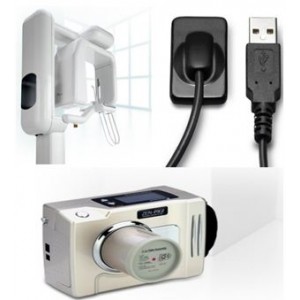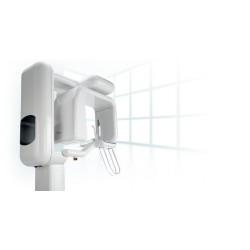

2D Pan-Cephalogram X-Rays
Panoramic & Cephalometric X-Ray Machines
2D Panoramic & Cephalometric Imaging for Dental and Orthodontic Practices
Panoramic and cephalometric imaging remains an important part of everyday diagnostics in orthodontic and dental practices. A dental panoramic X-ray machine provides a broad view of the teeth and jaws, while cephalometric imaging adds standardized views used for orthodontic analysis, treatment planning, and progress evaluation.
For practices that routinely need both types of records, a Pan/Ceph system combines these capabilities in one extraoral imaging platform. The right system depends on the type of practice, patient volume, imaging workflow, software requirements, available space, and whether cephalometric imaging is needed on a regular basis.
What Is a Pan/Ceph Machine?
A Pan/Ceph machine combines panoramic and cephalometric X-ray capabilities in a single system. Rather than using separate equipment for each type of examination, the practice can perform both imaging workflows from one platform.
Panoramic imaging captures a broad two-dimensional overview of the teeth, upper and lower jaws, and surrounding anatomical structures. It is commonly used to evaluate dentition, tooth development, eruption patterns, impacted teeth, and overall jaw relationships.
A cephalometric X-ray machine produces standardized projections of the skull and facial structures. These images are especially useful in orthodontics, where consistent positioning and repeatable records allow doctors to evaluate skeletal and dental relationships and compare changes throughout treatment.
Practices that regularly perform both panoramic and cephalometric examinations can benefit from having the two imaging functions available within the same workflow.
Panoramic Imaging in Everyday Dental Practice
A panoramic dental X-ray machine allows the clinician to capture a broad view of the dentition in a single examination. Unlike individual intraoral radiographs, panoramic imaging provides an overall picture of both dental arches and surrounding structures.
Common uses may include:
- Reviewing tooth development and eruption.
- Identifying missing, impacted, or unerupted teeth.
- Evaluating the general position of teeth before orthodontic treatment.
- Documenting the overall dentition during treatment.
- Supporting routine extraoral dental examinations when a broad anatomical view is needed.
For many practices, panoramic imaging is performed frequently enough that workflow, patient positioning, and image consistency become just as important as technical specifications.
Why Cephalometric Imaging Matters in Orthodontics
Cephalometric imaging is particularly relevant to orthodontic practices because it provides standardized views that can be measured and compared over time. Doctors can use these records as part of evaluating skeletal relationships, dental position, facial growth, and treatment progress.
For this reason, an orthodontic X-ray machine often needs more than panoramic capability alone. A practice that routinely creates full orthodontic records may benefit from a system that includes both panoramic and cephalometric imaging.
General dental offices that do not routinely perform orthodontic cephalometric analysis may not need this additional capability, which is why it is important to decide whether a panoramic-only or Pan/Ceph configuration is the better fit before purchasing.
Panoramic Only vs. Pan/Ceph: Which System Fits Your Practice?
The main difference is straightforward: a panoramic-only unit is designed primarily for panoramic examinations, while a Pan/Ceph system adds dedicated cephalometric imaging capabilities.
| Practice Need | Panoramic Only | Pan/Ceph |
|---|---|---|
| Routine panoramic examinations | Excellent fit | Excellent fit |
| Cephalometric orthodontic records | No | Yes |
| General dental practice | Often sufficient | Useful when ceph imaging is required |
| Orthodontic practice | May be limited | Strong fit |
| Second orthodontic location | Depends on workflow | Often practical |
| Initial equipment investment | Typically lower | Typically higher |
If cephalometric records are a routine part of diagnosis and treatment planning, purchasing a combined Pan/Ceph system can be more practical than choosing a panoramic-only unit and later discovering that the practice needs additional imaging capabilities.
Who Should Consider a Pan/Ceph X-Ray System?
Pan/Ceph equipment is particularly relevant to orthodontic practices, but the purchase scenario can vary considerably from one office to another.
A system may be worth considering when you are:
- Replacing an older panoramic or cephalometric unit.
- Opening a new orthodontic practice.
- Equipping a second or satellite orthodontic office.
- Adding a dedicated imaging room to an established practice.
- Moving from an older analog or digital workflow to a newer imaging system.
- Looking for a single platform for routine panoramic and cephalometric records.
- Expanding patient capacity and reducing reliance on outside imaging providers.
For multi-location practices, equipment does not necessarily need to be identical in every office. A practice may choose a Pan/Ceph system for locations where routine orthodontic records are the primary imaging requirement and use more advanced imaging at another location when clinically needed.
What to Compare When Choosing a Pan/Ceph Machine
Specifications matter, but the day-to-day experience of using the system matters just as much. A digital panoramic dental X-ray machine may be used repeatedly throughout the day by different trained team members, so workflow and consistency should be part of the purchasing decision.
Important factors include:
- Imaging configuration: Confirm whether the practice needs panoramic imaging only or both panoramic and cephalometric capabilities.
- Patient positioning: A clear and repeatable positioning workflow can help staff obtain consistent images.
- Image quality: Evaluate whether the system provides the detail and consistency needed for your clinical workflow.
- Scan programs: Review available exposure modes and determine whether they match the examinations performed in your practice.
- Workflow speed: Consider positioning, acquisition time, image review, and how quickly the room can be prepared for the next patient.
- Software: The imaging software should support efficient acquisition, viewing, storage, export, and integration with the practice's existing digital workflow.
- Office space: Verify equipment dimensions, cephalometric arm requirements, and room layout before purchase.
- Installation: Confirm what site preparation and professional installation are required.
- Staff training: The team should be able to learn the system and use it consistently in everyday practice.
- Warranty and technical support: Understand who provides service, replacement parts, calibration, and troubleshooting after installation.
Dental Panoramic & Pan/Ceph X-Ray Machine Price
The dental panoramic X-ray machine price depends on the configuration and what is included with the purchase. A panoramic-only system generally differs in cost from equipment that also includes dedicated cephalometric imaging.
When estimating panoramic dental X-ray machine cost, consider more than the advertised base price. Depending on the system, the complete investment may include:
- The imaging unit and selected configuration.
- Panoramic and cephalometric detectors.
- Imaging software.
- Computer hardware and monitors.
- Shipping and professional installation.
- Staff training.
- Warranty coverage.
- Ongoing technical service.
- Any necessary preparation of the imaging room.
When comparing systems, ask for the complete installed package. Two units with similar advertised prices can have substantially different total costs once software, installation, training, warranty, or additional hardware are included.
New vs. Used Panoramic & Cephalometric Equipment
Practices looking for a panoramic X-ray machine for sale may compare new equipment with used or professionally refurbished alternatives. A lower initial purchase price can be attractive, but the condition of an imaging system is particularly important because major components, software support, and service availability can affect long-term ownership costs.
Before purchasing used equipment, consider:
- Age and previous usage of the system.
- Condition of detectors and other major imaging components.
- Current software compatibility.
- Availability of replacement parts.
- Installation and calibration requirements.
- Warranty coverage.
- Availability of qualified technical service.
- Whether training is included for your staff.
A new system provides a known history from the time of installation and may include current software, warranty coverage, and support depending on the purchase package. Used equipment may reduce the initial investment, but the complete ownership cost and support situation should be evaluated before making the decision.
When Is 2D Imaging Enough?
More imaging capability is not automatically better for every office. Many orthodontic practices rely heavily on panoramic and cephalometric records for routine diagnosis, treatment planning, and documentation.
If the majority of patients do not require three-dimensional imaging, a dedicated 2D system may provide a simpler workflow and lower equipment investment. Practices that regularly need volumetric anatomical information can compare the systems available in our 3D CT / CBCT X-Ray Units category.
You can also return to the broader 2D Pan, Ceph & 3D X-Ray Units section for an overview of the differences between 2D and 3D imaging systems.
Why Buy Panoramic & Cephalometric Equipment from OrthAzone?
Choosing major imaging equipment involves more than comparing specifications on a product page. The system needs to fit the practice clinically, physically, and operationally.
OrthAzone helps dental and orthodontic practices compare available imaging solutions based on workflow, office requirements, budget, and the types of records performed most frequently. Depending on the equipment and purchase package, available services may include installation, staff training, warranty coverage, and technical support.
Before purchasing, confirm exactly what is included with the system and what additional requirements may apply to your office.
Panoramic & Cephalometric X-Ray FAQs
What is the difference between a panoramic X-ray machine and a Pan/Ceph machine?
A panoramic system captures broad two-dimensional images of the teeth and jaws. A Pan/Ceph system includes panoramic imaging plus dedicated cephalometric capabilities used primarily for standardized orthodontic records.
Does an orthodontic office need a cephalometric X-ray machine?
If cephalometric records are routinely used for diagnosis, treatment planning, or progress evaluation, having cephalometric imaging available in the office can be valuable. The decision depends on the workflow and records required by the individual practice.
How much does a dental panoramic X-ray machine cost?
Pricing varies by configuration, imaging technology, included software, installation, computer hardware, warranty, and support. Panoramic-only systems and combined Pan/Ceph systems can have significantly different total installed costs.
Can a dental practice buy a panoramic machine without cephalometric imaging?
Yes. Panoramic-only equipment can be appropriate for practices that need extraoral panoramic imaging but do not routinely perform cephalometric examinations.
Is a Pan/Ceph machine suitable for a second orthodontic office?
It can be a practical option when the additional location primarily performs routine panoramic and cephalometric records. The appropriate configuration should be based on patient volume and the clinical workflow of that specific office.
What should I look for when buying an orthodontic X-ray machine?
Consider panoramic and cephalometric capabilities, image consistency, patient positioning, workflow, software, room requirements, installation, training, warranty coverage, technical support, and total ownership cost.
Should I buy a new or refurbished Pan/Ceph system?
Both can be viable options depending on budget and equipment condition. When considering used or refurbished equipment, verify age, service history, detector condition, software support, warranty, installation, and access to replacement parts.
Shop Panoramic & Cephalometric X-Ray Machines
OrthAzone offers panoramic and Pan/Ceph systems for dental and orthodontic practices replacing existing equipment, opening new offices, or expanding to additional locations.
Compare current systems based on imaging capabilities, patient workflow, software, installation requirements, warranty, and support. For other types of imaging equipment, return to the main X-Ray Imaging section.