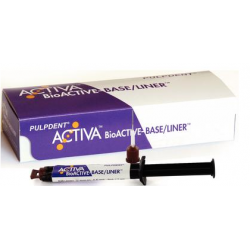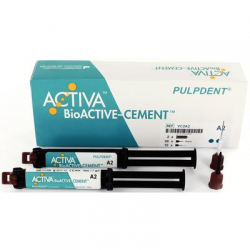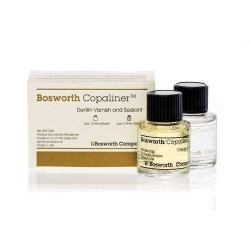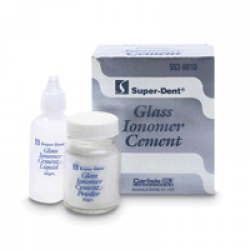

Cavity Bases & Liners
Cavity Bases and Liners for Everyday Restorative Dentistry
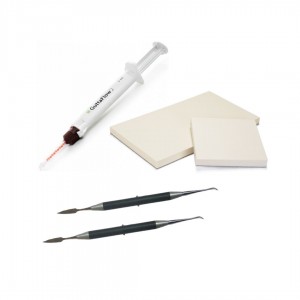
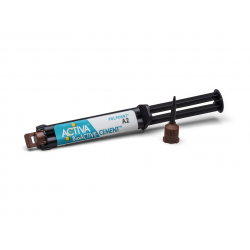
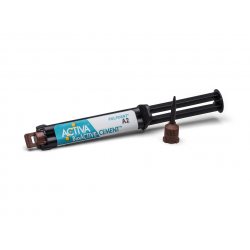
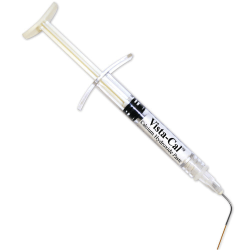
The Cavity Bases & Liners section is dedicated to materials that protect the pulp, level the cavity floor, and create a stable foundation under restorations. Here you’ll find a focused selection of Cavity bases and liners and related Dental cavity bases and liners for everyday restorative work. This category is designed for clinicians who want to choose the right dental liner and Dental base and liner materials for predictable results in both routine and complex cases.
Why cavity bases and liners matter in everyday practice
In modern restorative dentistry, Cavity bases and liners are much more than “extra layers” under a filling. They help protect the pulp, reduce postoperative sensitivity, and distribute functional load evenly through the tooth structure. Without a proper base and liner protocol, even a high-quality restorative material may not perform as expected over time.
By treating Dental cavity bases and liners as a separate, well-planned step – rather than an afterthought – you build more reliable restorations and reduce the risk of complications. That’s why this category is organized specifically as Cavity bases and liners for dentists who take a systematic approach to restorative treatment.
Main types of dental cavity liners and base materials
Dental cavity liners and cavity liner materials
A dental liner is a thin protective layer placed on the cavity floor, especially in deeper areas close to the pulp. Dental cavity liners are designed to create a barrier, support sealing, and help manage sensitivity in challenging cases. Depending on the protocol, you may choose light-cured, glass ionomer, or resin-modified Cavity liner materials.
The right choice of Cavity liner materials allows you to adapt to factors like cavity depth, remaining dentin thickness, and the type of restorative material you plan to use. In deeper cases, carefully placed liners help maintain pulp vitality and increase patient comfort after treatment.
Dental base and liner materials and cavity base materials for dentistry
Beyond thin liners, many situations require a structural base. Dental base and liner materials are used to level the cavity floor, raise the preparation to a more favorable geometry, and create a supportive layer under composite, amalgam, or indirect restorations. When used as Cavity base materials for dentistry, these products help distribute occlusal load and reduce stress on the underlying dentin.
Different Dental cavity bases and liners are designed for different indications: some function primarily as protective liners, others as stronger bases that can be placed in thicker layers. Together, they give you the flexibility to tailor the internal structure of your restoration to the specific clinical situation.
Pulp capping liners and bases for deep cavities
Deep carious lesions and cavities close to pulp horns demand special attention. In such cases, Pulp capping liners and bases play a key role in managing pulpal health. They are used in direct and indirect pulp capping procedures, providing a biologically favorable interface between the pulp tissue and the restorative complex.
When you combine advanced Pulp capping liners and bases with carefully chosen Dental cavity liners and base materials, you can preserve vitality in teeth that might otherwise be at higher risk for complications. A well-thought-out liner and base strategy is especially valuable in practices that prioritize minimally invasive dentistry and long-term tooth preservation.
How to choose professional cavity bases and liners for your clinic
Selecting Professional cavity bases and liners starts with your typical clinical scenarios: the depth and size of cavities, the types of restorative materials used, and your preferred adhesive protocol. For shallow and medium-depth cavities, a thin dental liner may be enough. For deeper lesions, you may need a combination of liner plus a stronger base material.
Advanced Cavity bases and liners for dentists often come with optimized handling, curing, and physical properties, making it easier to follow your usual workflow while raising the overall reliability of your restorations. By standardizing your Dental base and liner materials, you can unify protocols across multiple operators and treatment rooms.
Cavity bases and liners for dentists in daily workflows
In everyday practice, a typical workflow for posterior restorations might include three core stages: preparation, internal build-up (bases and liners), and final restoration or cementation. For precise preparation, many clinicians rely on burs from the Burs category and advanced options like Gold Carbide Burs for controlled cutting and margin refinement.
After preparation and smoothing with systems such as Restorative Finishing/Polishing, you move on to placing the selected Cavity bases and liners and then finalize the case with suitable cements from the Cements & Liners category. This structured approach helps ensure that your Cavity base materials for dentistry and liners work together with burs and cements as one cohesive system.
FAQ about cavity bases and liners
What is the difference between dental cavity liners and cavity base materials for dentistry?
Dental cavity liners are typically applied in a thin layer directly on the cavity floor to protect the pulp and reduce sensitivity. Cavity base materials for dentistry are placed in thicker layers to build up the cavity, level the floor, and support the final restorative material. Both are part of a broader family of Cavity bases and liners used to optimize the internal structure of the restoration.
When should I use pulp capping liners and bases instead of a standard dental liner?
Pulp capping liners and bases are indicated when caries or preparation extends very close to the pulp and there is a risk of pulpal irritation or exposure. In these situations, they provide additional biological protection compared with a basic dental liner. For shallower cavities, conventional Dental cavity bases and liners may be sufficient.
How do I choose dental base and liner materials for different restorative materials?
When selecting Dental base and liner materials, consider the depth of the cavity, the type of restorative (composite, amalgam, indirect restoration), and your adhesive protocol. For example, certain bases integrate particularly well under composite, while others are better suited for amalgam or indirect restorations. A well-chosen combination of Cavity bases and liners for dentists helps ensure proper bonding, stress distribution, and long-term performance.
Do I really need professional cavity bases and liners in a small private practice?
Even in a small private office, using Professional cavity bases and liners can make a visible difference in restoration longevity and patient comfort. A compact but well-selected set of Cavity bases and liners gives you predictable performance in deep and moderate cavities alike, reducing the need for retreatment and supporting a higher standard of care.