

Dental Bonding Agents
Welcome to the Orthazone online store. You are in the section for dentists, and in the Dental Bonding Agents category you’ll find adhesive systems for direct and esthetic restorations. Here you can choose modern dental bonding agents for a wide range of clinical tasks - from routine fillings to complex esthetic protocols. This section is designed for clinicians who value reliable adhesion, a predictable protocol, and long-lasting restorations.
The role of dental bonding agents in modern adhesive dentistry
Today, dental bonding agents are the foundation of adhesive dentistry. They provide micro-mechanical and chemical bonding between the restorative material and enamel or dentin, reduce the risk of microleakage, and increase the longevity of fillings and indirect restorations. The choice of a particular dental bonding agent directly affects postoperative sensitivity, marginal integrity, and resistance to functional load.
Well-chosen dental adhesive systems help standardize the workflow: the clinician knows exactly when to etch, how to dry, how long to scrub, and how long to cure. This makes daily work easier and the outcome more predictable, especially in practices with a high volume of similar direct and esthetic restorations.
Main types of dental adhesive systems and bonding agents
Universal dental bonding agents as the baseline choice
Many practices are moving toward universal dental bonding agents - versatile systems that can be used in multiple modes (self-etch, selective-etch, etch-and-rinse). A single universal dental bonding agent can cover several scenarios at once: routine fillings, restorations with bulk-fill composites, repair of ceramics, adhesive protocols for onlays, and more.
These dental bonding agents for direct restorations are highly convenient for standardization: the assistant and clinician both use the same familiar bottle, and the lab clearly understands the clinic’s adhesive protocol. Most modern universals are light-cure dental bonding agents designed specifically for use with light-cured composites.
Enamel and dentin bonding agents and specialized dentin bonding agents
Alongside universal systems, many clinicians still rely on classic enamel and dentin bonding agents and more specialized dentin bonding agents, especially in cases where strict control over etching and bonding steps is critical. Working separately with enamel and dentin allows for fine-tuned adhesion in demanding clinical situations.
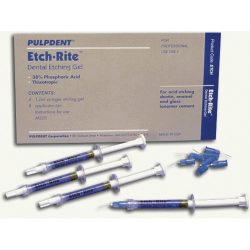
These systems are often used in combination with Etching Gels, following a familiar etch-and-rinse protocol. As a result, the clinician gets a time-tested workflow with clearly defined stages and exposure times.
Dental bonding agent for composite restorations and esthetic protocols
Most adhesives in this category were developed as a dental bonding agent for composite restorations. They are optimized to bond with composites of different viscosities - from flowable materials to highly filled sculptable composites. In everyday practice this means that one dental adhesive for composite can be used both under posterior fillings and under small esthetic restorations in the anterior region.
In esthetic workflows, dental bonding agents for cosmetic dentistry are typically used together with composites from the Bulk Fill Composites and Flowable Composites categories and with cements and liners from Cements & Liners. This allows you to build a complete protocol - from the base and adhesive layer to the final restoration and its long-term fixation.
How to choose professional dental bonding agents for your practice
When selecting professional dental bonding agents, it’s important to consider:
- Your preferred protocol - self-etch, selective-etch, or etch-and-rinse;
- The types of restorations - routine direct fillings, esthetic restorations, veneers, onlays;
- Which other materials you use - composites, glass ionomers, resin cements;
- Patient sensitivity and how strictly you need to control moisture.
If you want to simplify your inventory, it often makes sense to rely on one or two universal dental bonding agents that cover most of your indications. If your practice focuses heavily on esthetics, veneers, and complex cases, it can be useful to keep additional dentin bonding agents and specialized dental adhesive systems on hand for more tailored protocols.
It is also important to check the compatibility of your dental bonding agents with the composites and cements already used in your practice. This helps prevent unexpected adhesion issues and failures at the material interface.
Dental bonding agents USA and ordering through Orthazone
Orthazone offers a wide range of dental bonding agents USA, adapted to common American clinical protocols. In one catalog you can Buy dental bonding agents online and at the same time add composites, etching gels, and cements to build a complete adhesive workflow.
Online ordering simplifies inventory management: you can track which professional dental bonding agents you use regularly, repeat successful combinations, and receive materials in a single shipment. This is especially convenient for practices with multiple operatories or locations where maintaining a consistent standard of care is essential.
FAQ about dental bonding agents
What is the difference between universal dental bonding agents and classic systems?
Universal dental bonding agents can be used in different modes (self-etch, selective-etch, etch-and-rinse) and in a variety of indications – from direct fillings to ceramic repair. Classic dental adhesive systems are typically tied to a single, specific protocol. Universals are more convenient for standardization, but in complex or highly specific cases many clinicians still use dedicated dentin bonding agents.
When does it make sense to etch enamel separately when using a universal dental bonding agent?
Many clinicians prefer a selective-etch approach: etching enamel separately with an etchant from the Etching Gels category, while treating dentin with the self-etch mode of the universal dental bonding agent. This helps achieve strong enamel bonding while reducing the risk of dentin sensitivity.
Can one dental adhesive for composite be used for both routine fillings and esthetic restorations?
Yes. Many modern dental bonding agents for direct restorations and dental bonding agents for cosmetic dentistry are designed to work effectively in both situations. What matters is strict adherence to the manufacturer’s protocol and compatibility with the composites you use (including bulk-fill and flowable materials).
How can I decide which dental bonding agents USA to keep as my core systems?
A practical approach is to select one or two professional dental bonding agents that cover 80–90% of your clinical cases, then add one specialized system for particularly challenging or sensitive situations. Test these materials in your typical workflows, and then keep in your regular orders those that consistently provide stable, predictable results.





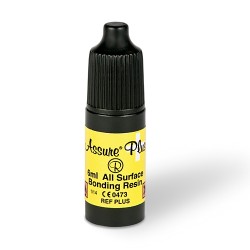
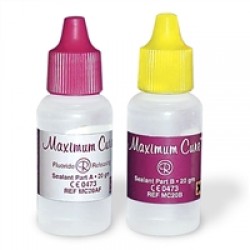
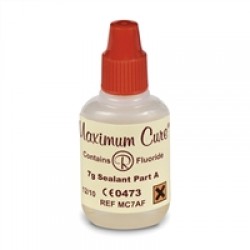
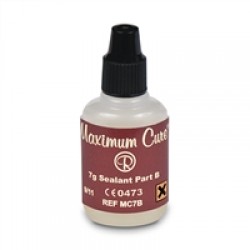
Supplier: Reliance Orthodontic Products
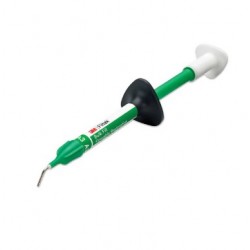
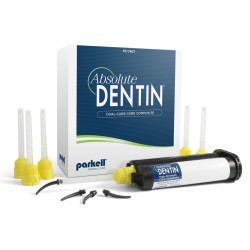
Supplier: Frontier Dental Supply
Supplier: Frontier Dental Supply
Dental Bonding Agents and Adhesive Systems