

Dental Articulating Products
Welcome to the Orthazone online store. You are in the section for dentists, and in this Dental Articulating Products category we’ve collected materials for checking occlusion and contacts after restorative and prosthetic treatment. Here you’ll find core dental articulating products for everyday work - from classic dental articulating paper to ultra-thin films and foils for high-precision control. This section is designed for practicing dentists, orthodontists, and laboratories that need to see the real picture of occlusal contacts, not rely only on visual estimation.
The role of dental articulating products in occlusion control
Proper occlusal contact means patient comfort, reduced risk of localized overload, and longer-lasting restorations. Whether you are placing a composite filling, a crown, or a bridge, it is difficult to objectively evaluate where the load is concentrated without using dental articulating products.
With occlusion checking paper and occlusal articulating paper, the clinician can see real contact points and gradually adjust a filling, crown, or prosthesis to the patient’s functional movements. This is especially important after placing crowns and bridges on metal frameworks from the Dental Alloys category and after cementation with materials from Cements & Liners.
Main types of dental articulating products
Dental articulating paper for everyday work
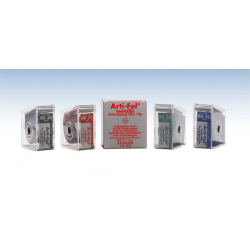
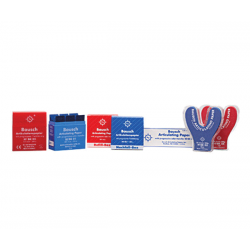
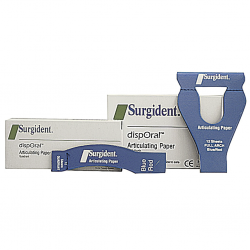
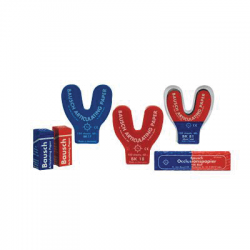
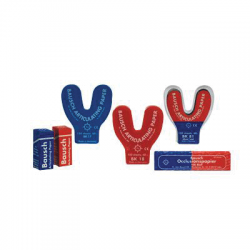
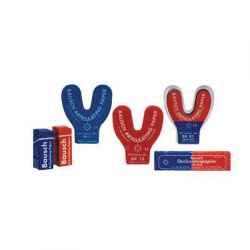
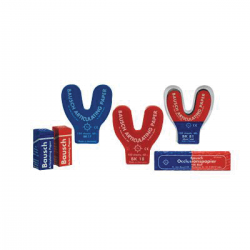
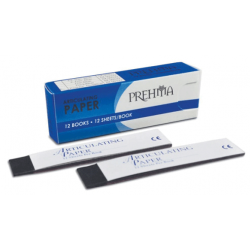
Classic dental articulating paper is the primary tool for occlusion control in restorative and prosthetic dentistry. Various formats of articulating paper for dentistry allow you to check contacts in static and dynamic occlusion, detect premature contacts, and adjust fillings, single crowns, and small bridges.
Specialized articulating paper for crowns and bridges helps you evaluate how a new restoration “fits” into the existing occlusion and whether any abutment is overloaded. For removable restorations, articulating paper for dentures and prosthetics is used to achieve a comfortable distribution of load across the prosthetic field.
Dental articulating film and dental articulating foil for high-precision control
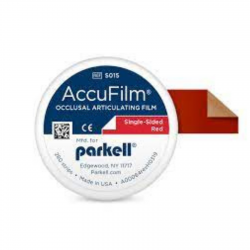
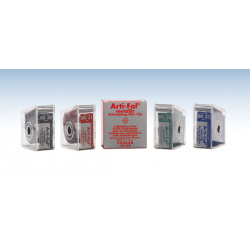
When you need a more delicate and precise tool, you can turn to dental articulating film and dental articulating foil. These ultra-thin materials provide high-resolution contact marking with minimal thickness, which is especially important when working with ceramics, implant restorations, and highly esthetic cases.
When you are using advanced composites and esthetic materials from the Cosmetic & Restorative Dentistry section, thin dental articulating film helps avoid over-adjustment and preserves carefully sculpted anatomy with minimal grinding. This reduces the risk of microcracks and localized overloads.
How to choose articulating paper for dentistry for different clinical tasks
Your choice of articulating paper for dentistry depends on the specific clinical goal:
- For adjusting restorative fillings, standard dental articulating paper of medium thickness is usually sufficient.
- For articulating paper for crowns and bridges, you need a combination of clear marking and good tear resistance when working in posterior segments.
- For full prosthetic cases and complex rehabilitation, dedicated articulating paper for dentures and prosthetics helps you evaluate load distribution across the prosthesis and its supports.
- For implant-supported restorations and ceramics, thin dental articulating film or dental articulating foil is preferred to avoid artificially high contacts due to paper thickness.
Color and marking style also matter: double-sided markings, different colors for entry/exit of contact, and variants optimized for a moist oral environment all make it easier to interpret occlusal patterns and quickly fine-tune the restoration.
Integrating dental articulating products with prosthetic and restorative materials
Articulating tools are almost always used in combination with other product categories. After cementing crowns and bridges on frameworks made from alloys in the Dental Alloys category, you verify occlusal contacts with dental articulating products and then refine occlusal surfaces as needed.
When working with composites and esthetic restorations from the Cosmetic & Restorative Dentistry section (composites, veneers, restorative materials), the final polishing stage is always accompanied by checks with occlusion checking paper or film. Reliable fixation using products from the Cements & Liners category ensures that, after the final adjustments, the restoration remains stable in the long term.
This creates a complete protocol: preparation → restoration/prosthetics → cementation → occlusal control with dental articulating products → final polishing and verification of comfortable function.
Dental articulating products USA and ordering through Orthazone
Orthazone offers a broad selection of dental articulating products USA: paper, films, foils, and other occlusion-checking tools. Within a single catalog, you can buy dental articulating paper online and, at the same time, add alloys (Dental Alloys), cements (Cements & Liners), and restorative materials (Cosmetic & Restorative Dentistry) to fully support your treatment protocols.
Online ordering simplifies life for both administrators and clinicians: you can track which professional dental articulating products you’ve already used successfully, quickly repeat proven orders, and receive everything in one shipment. This helps maintain a consistent standard of occlusal control across all operatories and locations in your practice.
FAQ about dental articulating paper and related products
How does dental articulating paper differ from articulating film and foil?
Classic dental articulating paper is thicker and ideal for quick, primary occlusion checks. Dental articulating film and dental articulating foil are thinner and provide a more detailed picture of load distribution, which is especially important when working with ceramics, implants, and complex restorative cases.
What thickness of articulating paper for crowns and bridges should I choose?
For most cases, standard occlusal articulating paper of medium thickness provides a clear mark and enough strength for use in posterior regions. When working with thin ceramics or rigid frameworks, it is often advisable to supplement with thin dental articulating film for final, high-precision occlusal control.
Do I really need separate articulating paper for dentures and prosthetics?
Yes. In denture cases, you need to assess not only occlusion, but also how load is distributed across the supporting tissues. Specialized articulating paper for dentures and prosthetics helps you identify overloaded areas and adjust the prosthesis to avoid localized trauma to the mucosa and discomfort for the patient.
Can one set of dental articulating products cover all my clinical needs?
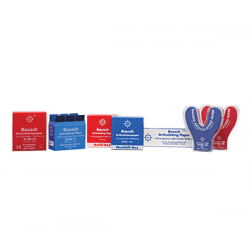
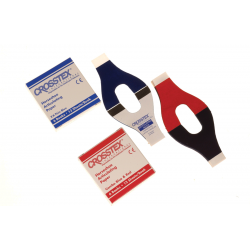
For a basic general practice, a combination of standard dental articulating paper and one thin film or foil is often enough. However, as your prosthetic and esthetic case volume grows, many clinics expand their range of professional dental articulating products, adding different thicknesses, formats (strips, horseshoe shapes), and color schemes to fine-tune restorations and prostheses to each patient’s individual occlusion.










Supplier: DC Dental
Supplier: DC Dental


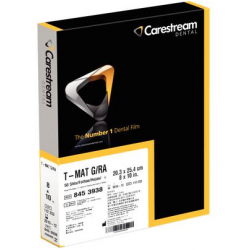

Supplier: Frontier Dental Supply
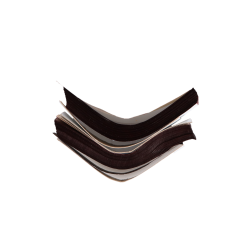
Supplier: Frontier Dental Supply
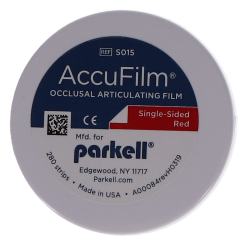
Supplier: Frontier Dental Supply
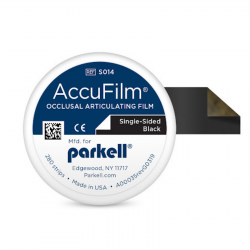
Supplier: Frontier Dental Supply
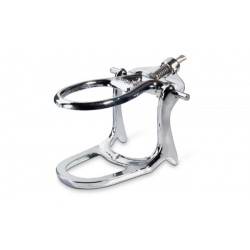


Supplier: Frontier Dental Supply

Supplier: Frontier Dental Supply
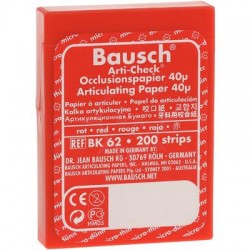
Supplier: Frontier Dental Supply

Supplier: Frontier Dental Supply
Dental Articulating Products for Occlusion Control